mostaza
“mostaza” means “mustard” in Spanish. It has 2 different meanings depending on context:
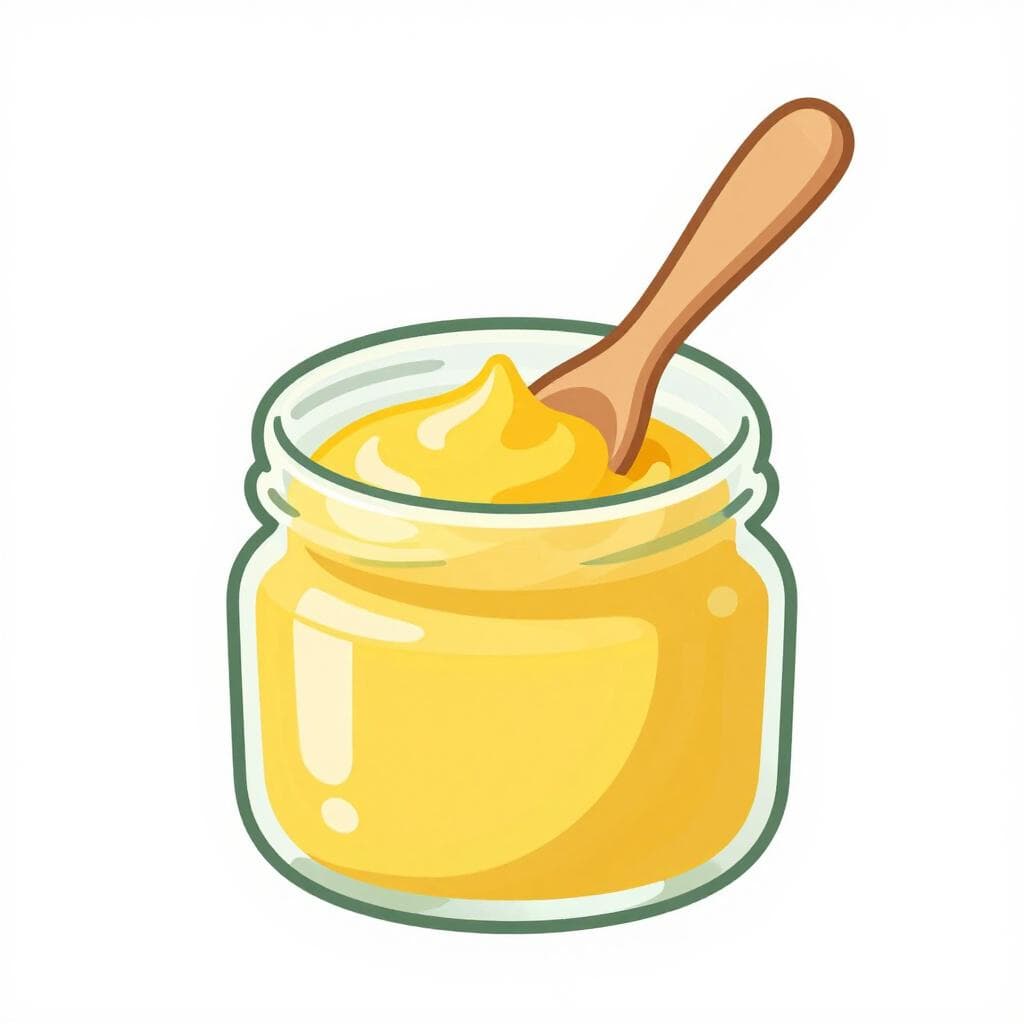

mustard
Also: mustard seed
📝 In Action
Pásame la mostaza para mi perro caliente, por favor.
A1Pass me the mustard for my hot dog, please.
Esta mostaza es muy picante y me hace estornudar.
A2This mustard is very spicy and makes me sneeze.
El granjero plantó semillas de mostaza en el campo.
B1The farmer planted mustard seeds in the field.
mustard yellow

📝 In Action
Me compré unos pantalones de color mostaza.
A2I bought some mustard-colored pants.
El sofá mostaza resalta mucho en la sala blanca.
B1The mustard sofa stands out a lot in the white living room.
El color mostaza está muy de moda este otoño.
B2Mustard yellow is very fashionable this autumn.
Vocabulary Collections
Translate to Spanish
✏️ Quick Practice
Quick Quiz: mostaza
Question 1 of 3
Which of these is the correct way to say 'the mustard'?
📚 More Resources
👥 Word Family▼
📚 Etymology▼
From the Latin word 'mustum' (meaning 'must' or unfermented grape juice). This is because the Romans used to mix ground mustard seeds with grape juice to create the paste we know today.
First recorded: 13th century
Cognates (Related words)
💡 Master Spanish
Take your Spanish to the next level. Read 200+ illustrated and narrated Spanish stories tailored to your level with the Inklingo app!
Frequently Asked Questions
Is 'mostaza' used for both the plant and the sauce?
Yes! Just like in English, the same word describes the plant, the seeds, and the condiment you put on food.
How do I ask for 'honey mustard' in Spanish?
You can say 'mostaza con miel' or sometimes 'mostaza dulce'.
Does 'mostaza' change for plural when describing color?
Usually, no. When a noun like 'mostaza' is used as a color, it often stays in the singular form (e.g., 'camisas mostaza').