calabaza
“calabaza” means “pumpkin” in Spanish. It has 2 different meanings depending on context:
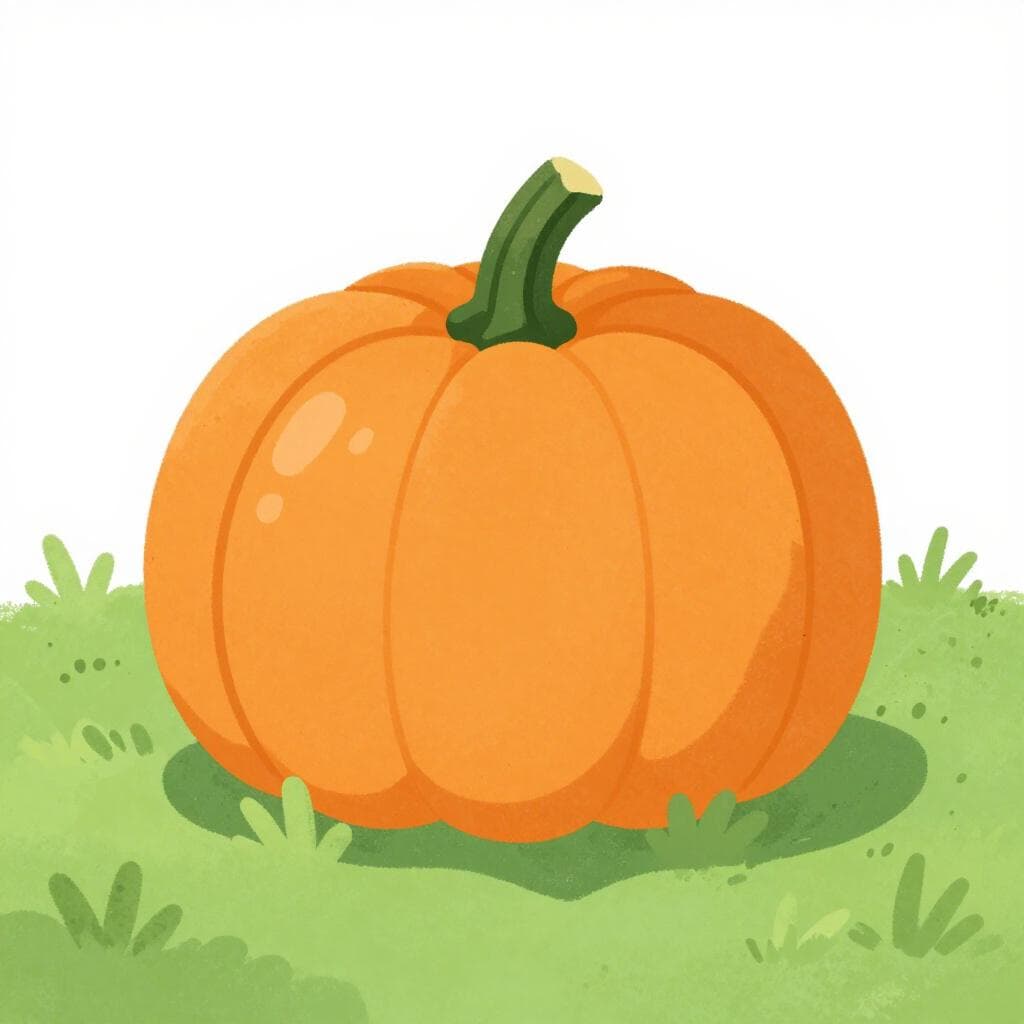

pumpkin
Also: squash, gourd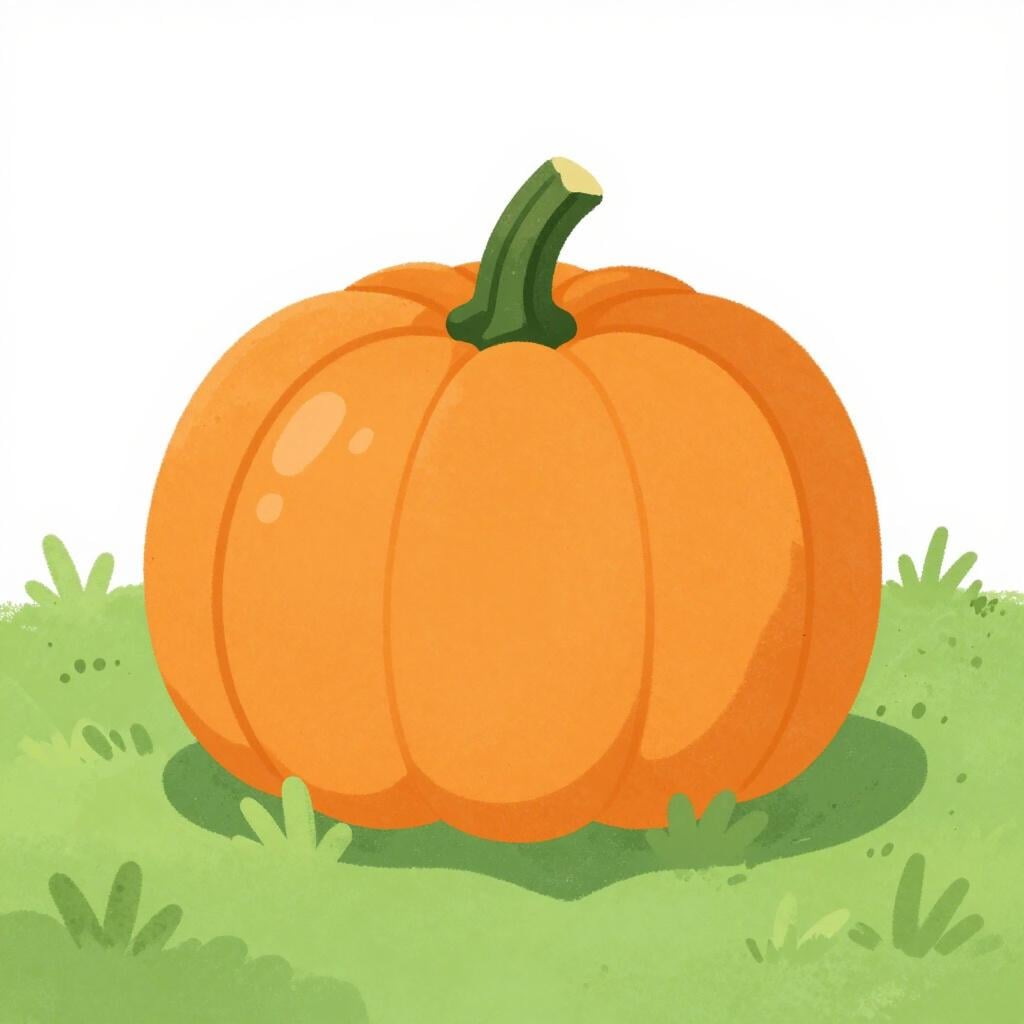
📝 In Action
Compramos una calabaza enorme para Halloween.
A1We bought a huge pumpkin for Halloween.
Me gusta la crema de calabaza en invierno.
A2I like pumpkin soup in the winter.
rejection
Also: failing grade, noggin
📝 In Action
Le pidió una cita, pero ella le dio calabazas.
B2He asked her out, but she turned him down.
He sacado calabazas en matemáticas.
B2I failed my math exam.

Vocabulary Collections
Translate to Spanish
✏️ Quick Practice
Quick Quiz: calabaza
Question 1 of 2
If your crush 'te da calabazas', what happened?
📚 More Resources
👥 Word Family▼
📚 Etymology▼
The word has pre-Roman origins in the Iberian Peninsula, likely from a word meaning 'hard shell' or 'dry crust'.
First recorded: 13th century
Cognates (Related words)
💡 Master Spanish
Take your Spanish to the next level. Read 200+ illustrated and narrated Spanish stories tailored to your level with the Inklingo app!
Frequently Asked Questions
Does 'calabaza' only mean the orange pumpkin used for carving?
No, in Spanish, 'calabaza' is a broad term that includes pumpkins, but also many types of squash and gourds used in cooking.
Is it 'el' or 'la' calabaza?
It is always 'la calabaza' because it is a feminine noun.