How to Say "rejection" in Spanish
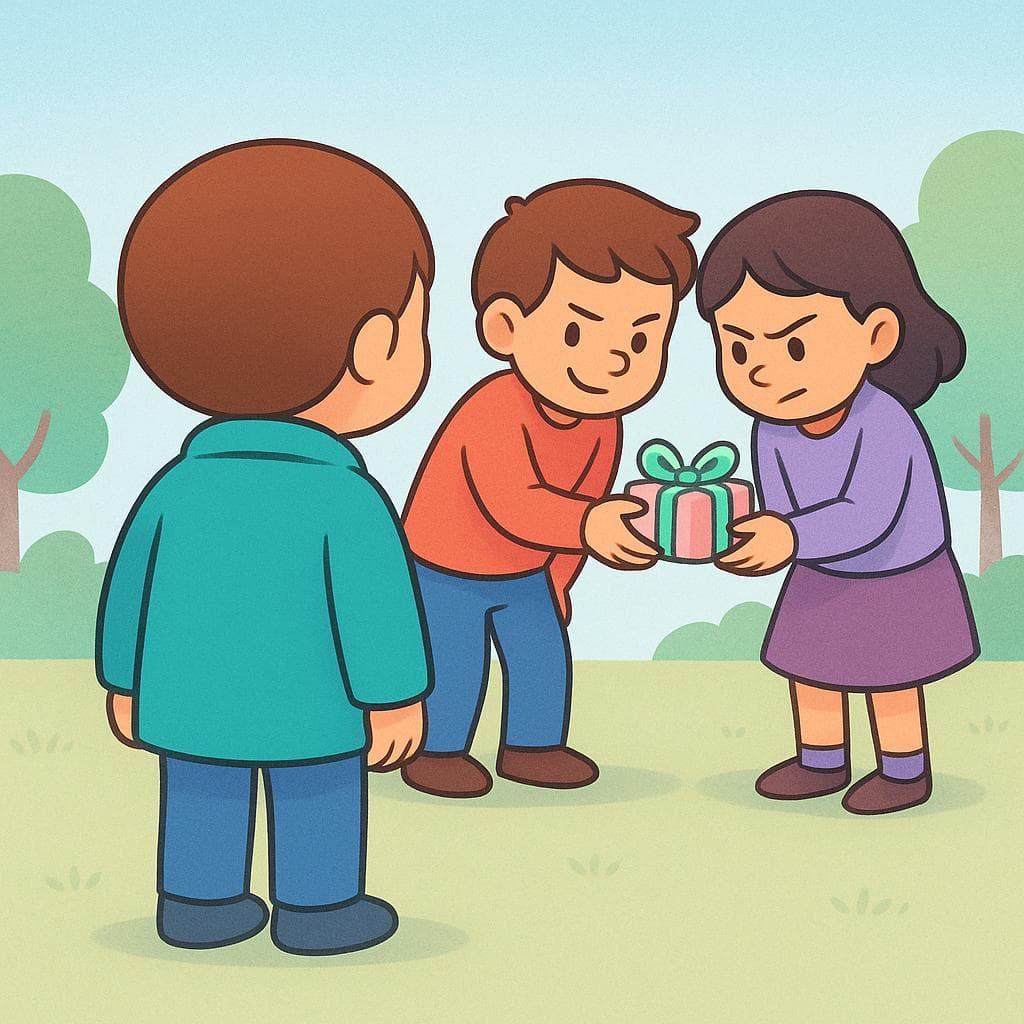
The most common Spanish word for “rejection” is “rechazo” — use this for general social or emotional rejection, such as the rejection of a proposal or feeling excluded.




rechazo
ray-CHAH-soreˈtʃaso

Examples
El rechazo de la propuesta fue un golpe duro para el equipo.
The rejection of the proposal was a hard blow for the team.
Ella sintió un profundo rechazo ante la injusticia.
She felt a deep sense of rejection toward the injustice.
Su cuerpo mostró signos de rechazo al trasplante.
His body showed signs of rejecting the transplant.
Masculine Noun Pattern
Even though it ends in 'o', it's a noun made from the verb 'rechazar'. Always use 'el' or 'un' with it.
Rejection vs. Refusal
Mistake: “Using 'rechazo' only for people.”
Correction: In Spanish, 'rechazo' works for people, ideas, organ transplants, and official applications.
negativa
neh-gah-TEE-bahne.ɣaˈti.βa

Examples
Ante la negativa del director, no pudimos entrar.
In the face of the director's refusal, we couldn't enter.
Recibí una negativa por respuesta.
I received a 'no' as an answer.
Using 'Negativa' as a Noun
Even though it looks like an adjective, when you put 'la' or 'una' in front of it, it means 'the act of saying no' or 'a refusal'.
calabaza
kah-lah-BAH-sahkalaˈβaθa

Examples
Le pidió una cita, pero ella le dio calabazas.
He asked her out, but she turned him down.
He sacado calabazas en matemáticas.
I failed my math exam.
Using the plural
When talking about rejection or failing, we almost always use the plural form 'calabazas'.
veto
BEH-tohˈbe.to

Examples
El presidente tiene el poder de veto sobre la nueva ley.
The president has the power of veto over the new law.
Mis padres pusieron un veto a mi plan de ir a la fiesta.
My parents put a ban on my plan to go to the party.
El derecho de veto es fundamental en el Consejo de Seguridad.
The right of veto is fundamental in the Security Council.
Always Masculine
The word 'veto' is masculine, so always use 'el' or 'un'. Even if you are talking about a woman's refusal, the word stays 'el veto'.
Nouns vs. Verbs
Don't confuse 'el veto' (the noun/object) with 'yo veto' (the action of blocking something right now).
Gender confusion
Mistake: “La veto de la propuesta.”
Correction: El veto de la propuesta. Nouns ending in -o are almost always masculine in Spanish.
espaldas
es-PAL-dasesˈpalðas
Examples
No me gusta que hablen de mí a mis espaldas.
I don't like them talking about me behind my back.
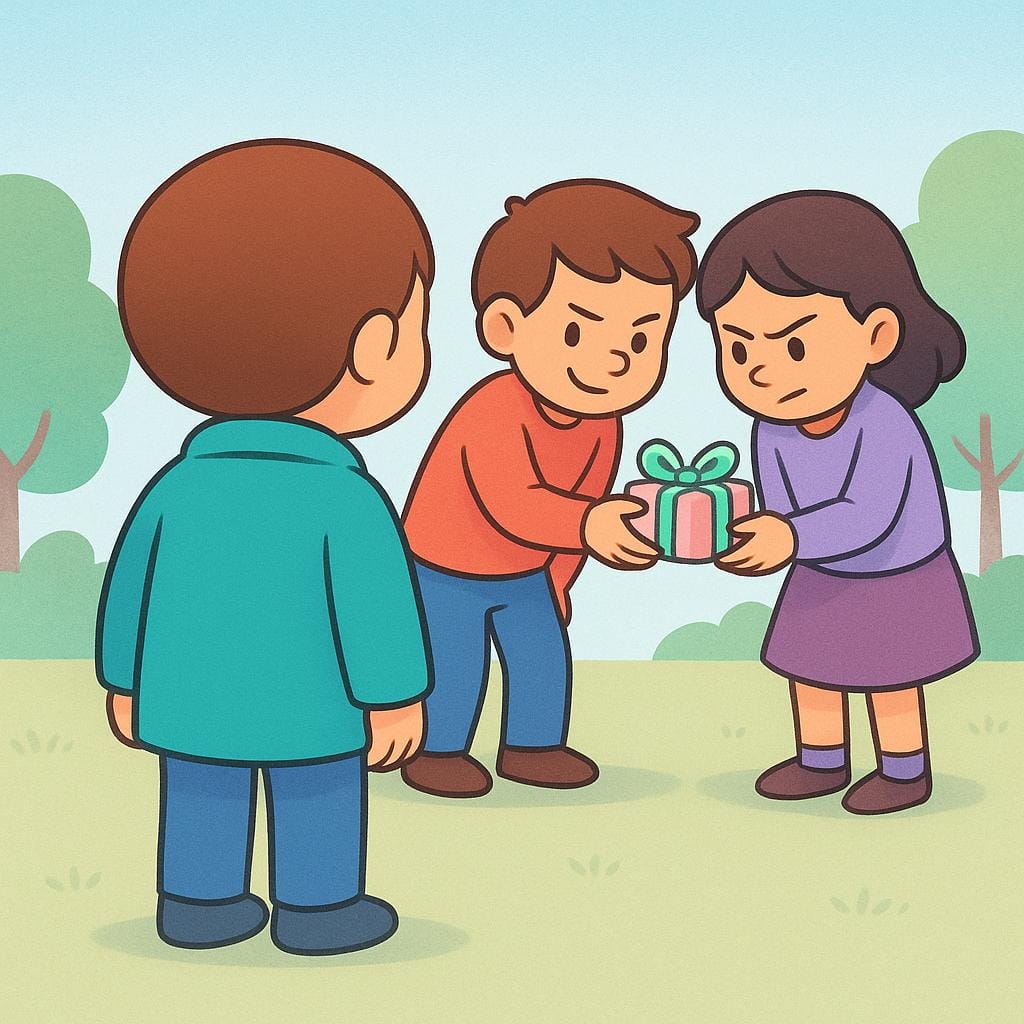
Ella le dio la espalda a su mejor amigo cuando más la necesitaba.
She turned her back on her best friend when he needed her most.
Fixed Phrases
In this usage, 'espaldas' is almost always part of the fixed phrases 'a espaldas de' or 'dar la espalda a,' which function like single verbs or adverbs.
Confusing 'a' and 'de'
Mistake: “Habló en espaldas de su jefe.”
Correction: Habló a espaldas de su jefe. The fixed phrase uses the preposition 'a'.
Choosing between 'rechazo' and 'negativa'
Learn Spanish with Inklingo
Interactive stories, personalized learning, and more.