espaldas
“espaldas” means “back” in Spanish. It has 3 different meanings depending on context:


back
Also: rear
📝 In Action
Me duele la parte baja de las espaldas después de cargar las cajas.
A1The lower part of my back hurts after carrying the boxes.
¿Puedes ponerme crema solar en las espaldas, por favor?
A2Can you put sunscreen on my back, please?
backing
Also: protection
📝 In Action
Con la espaldas del banco, el proyecto será un éxito.
B1With the bank's backing, the project will be a success.
Tiene muchas espaldas políticas, por eso nadie lo critica.
C1He has a lot of political backing (or influence), that's why no one criticizes him.
behind one's back
Also: rejection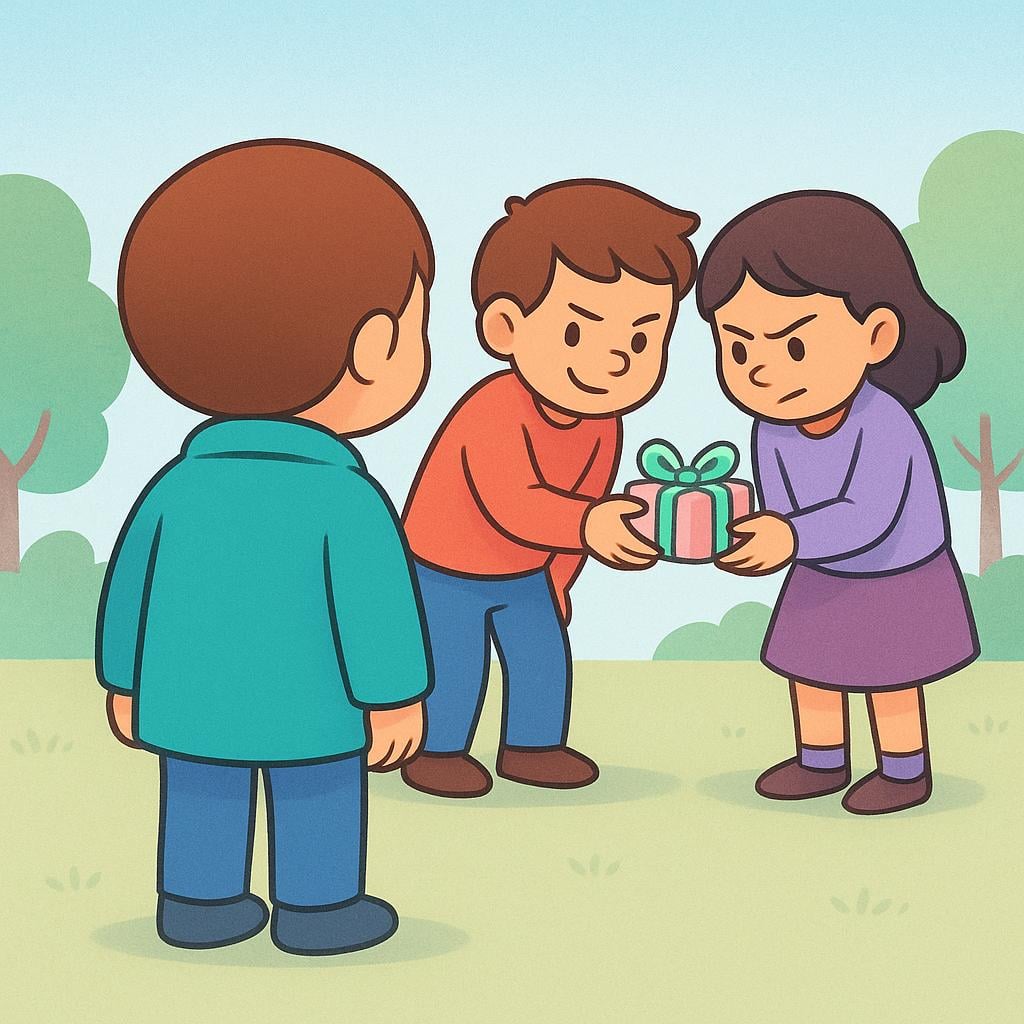
📝 In Action
No me gusta que hablen de mí a mis espaldas.
B2I don't like them talking about me behind my back.
Ella le dio la espalda a su mejor amigo cuando más la necesitaba.
B2She turned her back on her best friend when he needed her most.
Translate to Spanish
✏️ Quick Practice
Quick Quiz: espaldas
Question 1 of 1
Which sentence uses 'espaldas' in a figurative sense, meaning 'support'?
📚 More Resources
👥 Word Family▼
🎵 Rhymes▼
📚 Etymology▼
The word comes from the singular 'espalda,' which traces back to the Vulgar Latin word *spatula*, meaning 'shoulder blade' or 'broad tool.' Over time, its meaning expanded to cover the entire rear torso.
First recorded: Medieval Spanish (around 12th-13th century)
Cognates (Related words)
💡 Master Spanish
Take your Spanish to the next level. Read 200+ illustrated and narrated Spanish stories tailored to your level with the Inklingo app!
Frequently Asked Questions
Why is 'espaldas' plural when I'm only talking about one person's back?
In Spanish, it is very common to use the plural form 'las espaldas' when referring to the general area of the back. Think of it as referring to the 'region' or 'surface' of the back, though the singular 'la espalda' is also perfectly correct.
What is the difference between 'la espalda' and 'las espaldas'?
'La espalda' is the singular form and is a direct reference to the body part. 'Las espaldas' is the plural, but is often used interchangeably with the singular, especially in phrases like 'dolor de espaldas' (back pain), or when used figuratively (like 'backing').