How to Say "gourd" in Spanish
The most common Spanish word for “gourd” is “calabaza” — use 'calabaza' when referring to the actual plant or fruit, especially the large, hard-shelled varieties like pumpkins, often used for decoration or cooking.
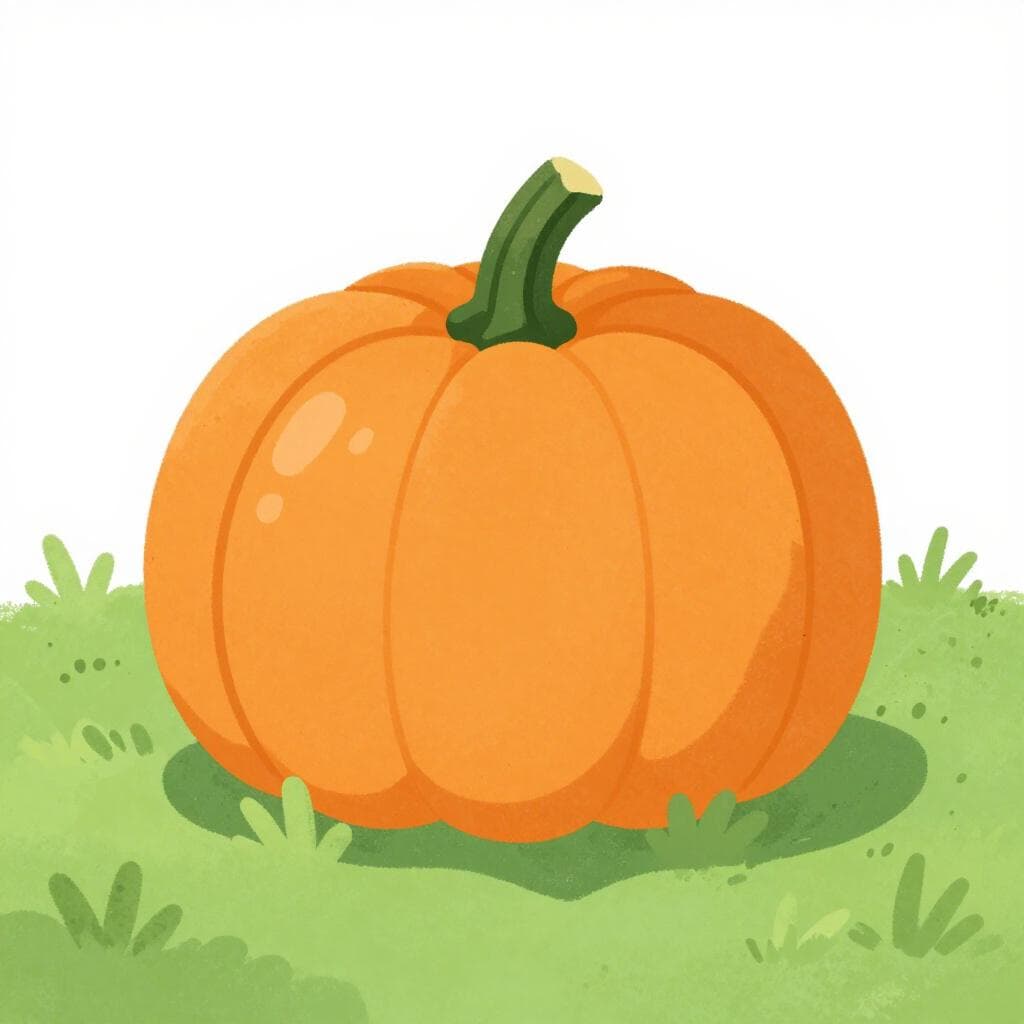
calabaza
kah-lah-BAH-sahkalaˈβaθa
Examples
Decoramos la casa con una calabaza para el Día de Muertos.
We decorated the house with a gourd for the Day of the Dead.
Compramos una calabaza enorme para Halloween.
We bought a huge pumpkin for Halloween.
Me gusta la crema de calabaza en invierno.
I like pumpkin soup in the winter.
Feminine Noun Basics
Since this word ends in 'a', it is feminine. Use 'la' for one (la calabaza) and 'las' for many (las calabazas).
Pumpkin vs. Zucchini
Mistake: “Using 'calabaza' when you mean 'zucchini'.”
Correction: Use 'calabacín' for the small green summer squash (zucchini) and 'calabaza' for the larger winter varieties.
Examples
Mi abuelo toma mate todas las mañanas en su taza de calabaza.
My grandfather drinks mate every morning in his gourd cup.
Confusing the Fruit with the Drink Container
Related Translations
Learn Spanish with Inklingo
Interactive stories, personalized learning, and more.