How to Say "dead end" in Spanish
The most common Spanish word for “dead end” is “callejón” — use 'callejón' when referring to a figurative dead end, meaning a situation with no apparent solution or progress, often implying a difficult or hopeless circumstance.
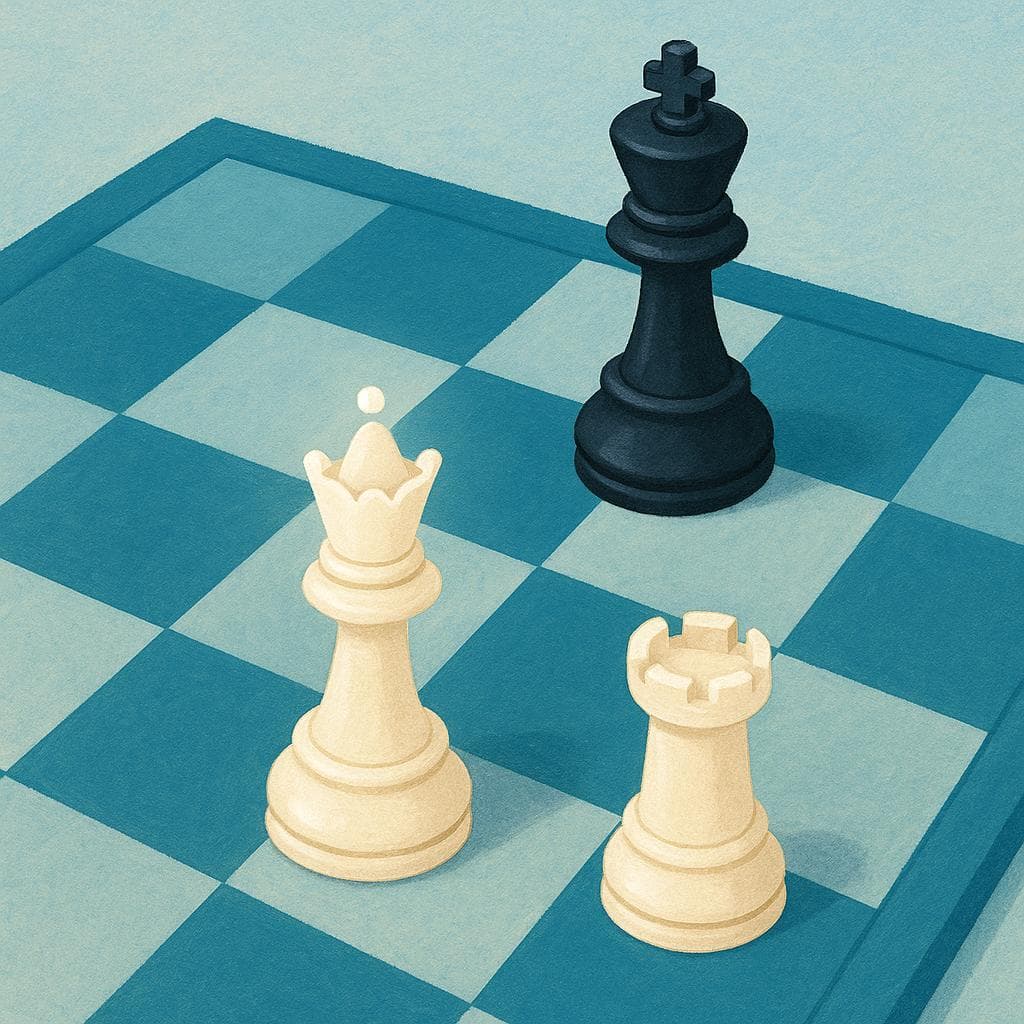
callejón
Examples
Si no encontramos una solución pronto, nuestro proyecto se encontrará en un callejón sin salida.
If we don't find a solution soon, our project will be in a dead end.
mate
MAH-tehˈma.te
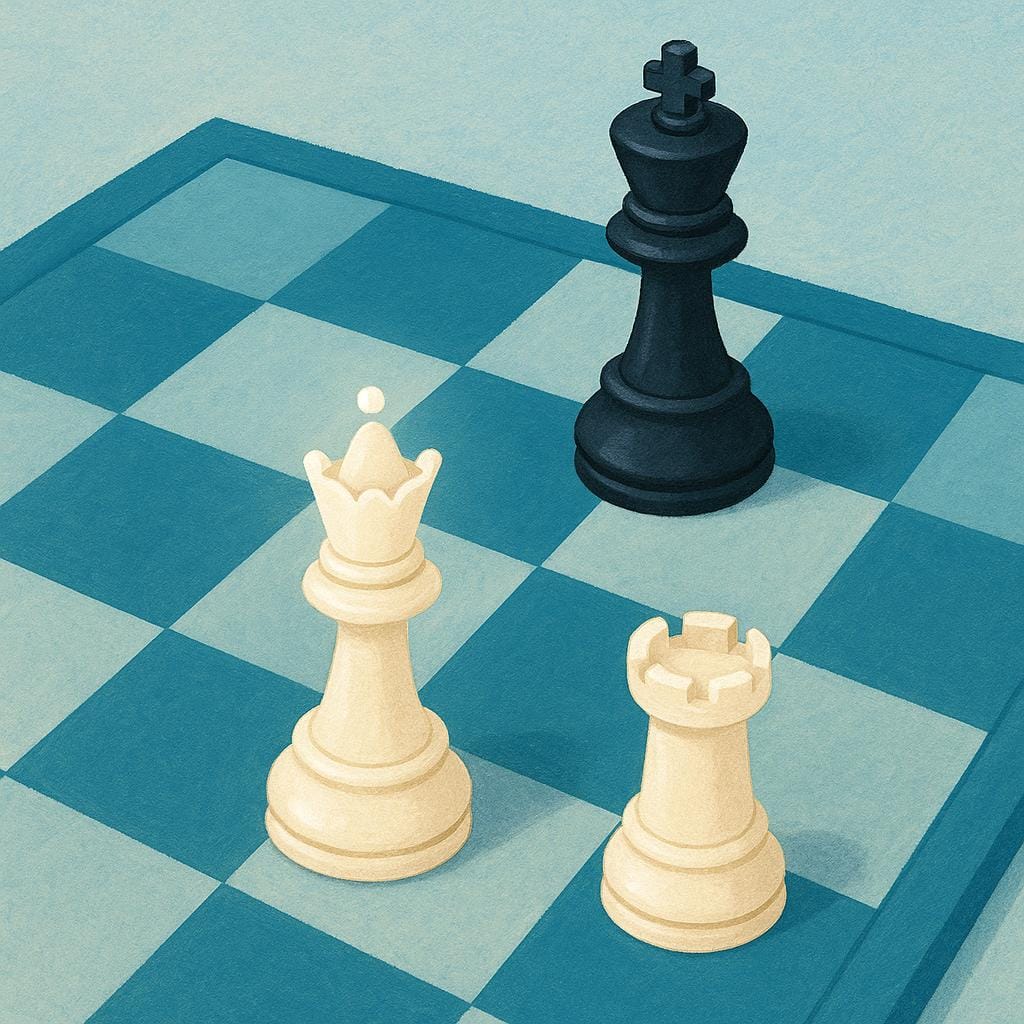
Examples
Estaba en un grave apuro financiero, era un mate total.
I was in serious financial trouble, it was a total dead end.
Hice un movimiento brillante y le di mate en solo cuatro jugadas.
I made a brilliant move and checkmated him in only four moves.
Si acepta esa condición, es un mate para la empresa.
If he accepts that condition, it's a dead end (checkmate) for the company.
Use with 'Dar'
When talking about winning the game, you use the verb 'dar' (to give): 'dar mate' means 'to checkmate'.
Figurative vs. Chess-Related 'Dead End'
Related Translations
Learn Spanish with Inklingo
Interactive stories, personalized learning, and more.