How to Say "dull" in Spanish
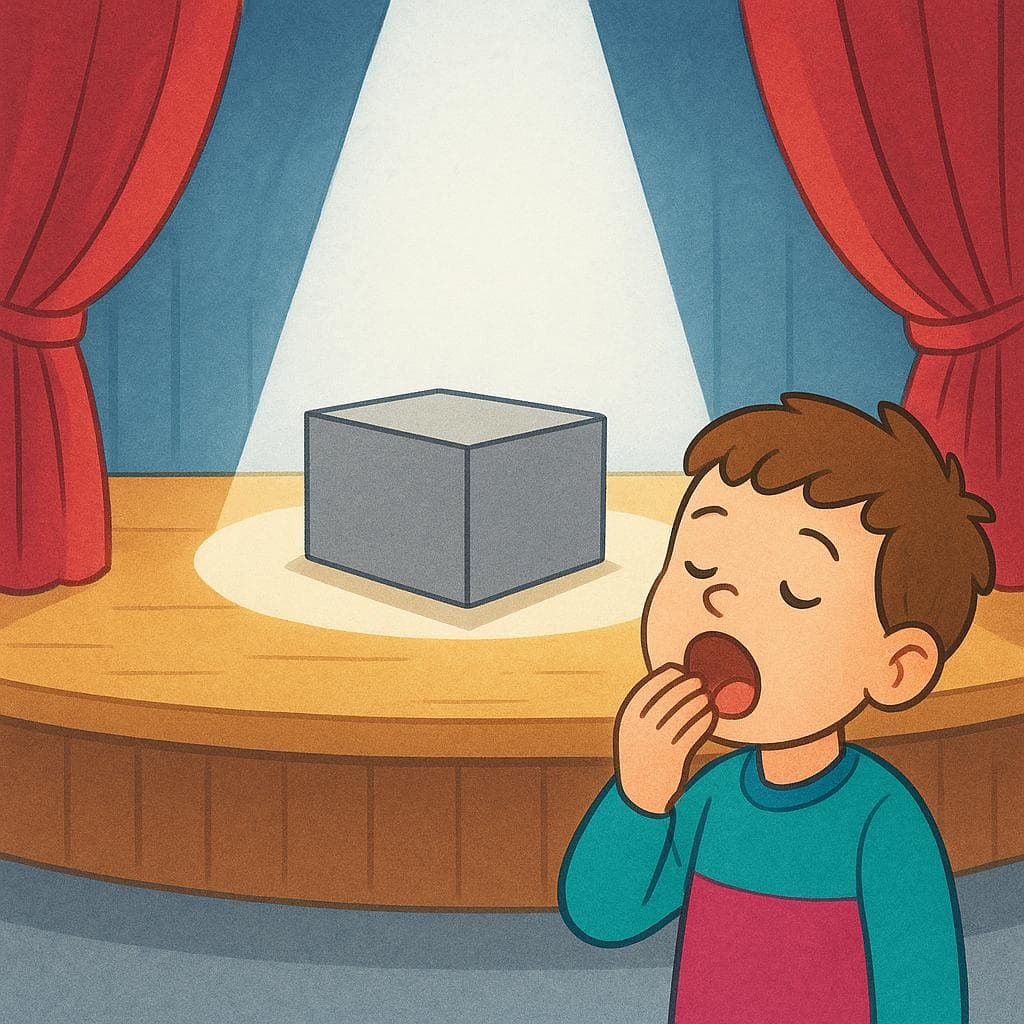
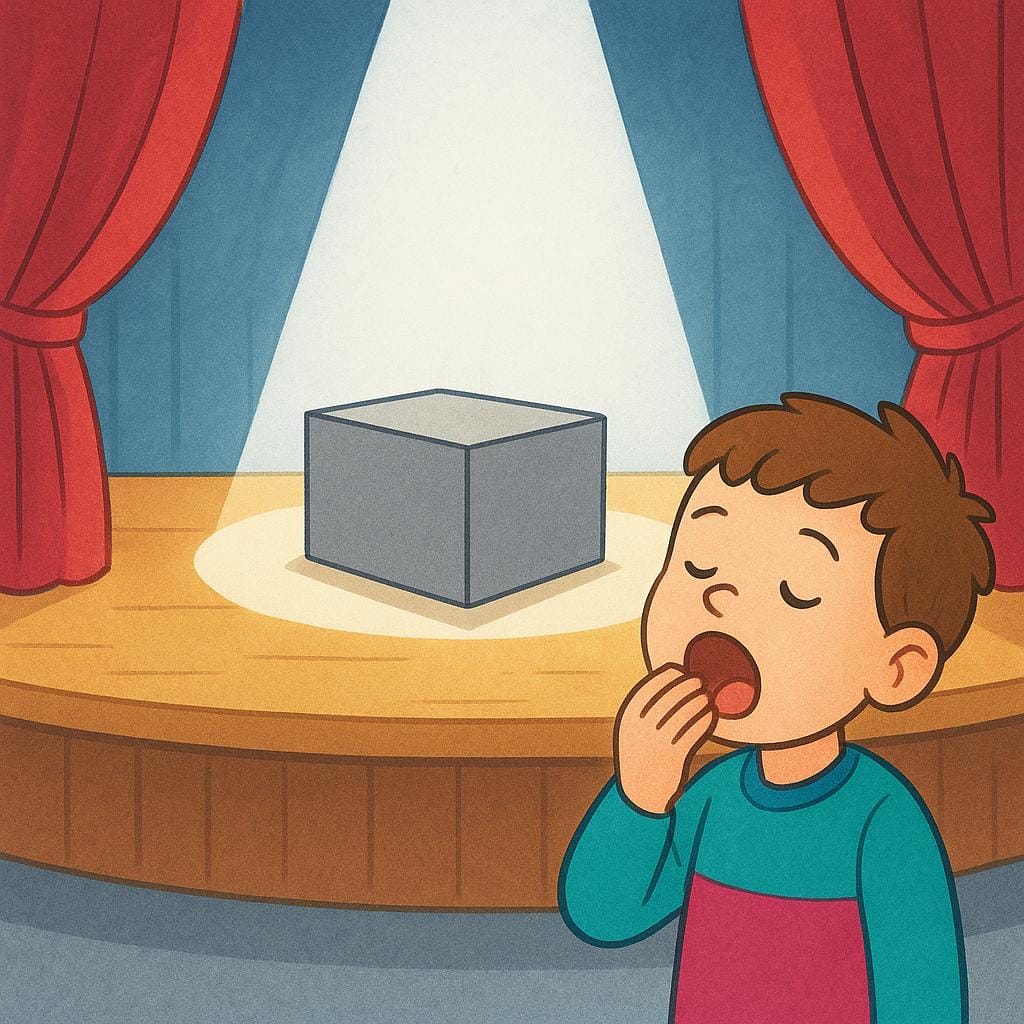
The most common Spanish word for “dull” is “aburrido” — use this when describing an activity, place, or situation that is boring or uninteresting.




aburrido
ah-boo-REE-doha.βuˈri.ðo
Examples
Esa clase de historia es muy aburrida.
That history class is very boring.
No me gusta su trabajo; es un trabajo aburrido y repetitivo.
I don't like his job; it's a dull and repetitive job.
Aburrido with SER (Characteristic)
When 'aburrido' describes a thing or person's permanent quality—that they are boring by nature—you must use the verb SER: 'La fiesta es aburrida' (The party is boring).
apagado
ah-pah-GAH-doha.paˈɣa.ðo

Examples
Ella llevaba un vestido de colores muy apagados.
She was wearing a dress with very dull colors.
Después de la noticia, su voz se sintió apagada y triste.
After the news, his voice felt subdued and sad.
Figurative Meaning
Think of this meaning as having the 'light' or 'fire' (energy or brightness) turned off. This applies to anything lacking vibrancy, like a quiet personality or a muted color.
mate
MAH-tehˈma.te
Examples
Prefiero la pintura mate para las paredes de la sala.
I prefer the matte paint for the living room walls.
Su piel tenía un tono mate y uniforme.
Her skin had a dull (matte) and even tone.
Agreement
As an adjective, 'mate' must match the noun it describes in gender and number (e.g., 'pintura mate', 'tonos mates').
lento
LEN-toh'len.to

Examples
Mi conexión a internet está muy lenta hoy, no puedo descargar nada.
My internet connection is very sluggish today, I can't download anything.
Es un poco lento para captar las indirectas.
He is a bit slow to get the hints.
Permanent vs. Temporary Slowness
Mistake: “Using *estar* for inherent mental slowness (e.g., *Mi hijo está lento*).”
Correction: If you mean a person is naturally slow-witted, use *ser*: *Mi hijo es lento*. Use *estar* only to describe a temporary condition, like a slow internet connection (*Mi wifi está lenta*).
torpe
TORE-pehˈtoɾpe

Examples
Es un poco torpe para entender las instrucciones complejas.
He is a bit slow when it comes to understanding complex instructions.
¡Qué torpe eres! Te dije que era la respuesta B, no la C.
How dull you are! I told you it was answer B, not C.
Used as a Noun
You can use 'torpe' as a noun to mean 'a clumsy person' or 'a fool': '¡No seas torpe!' (Don't be a fool!).
sordo
SOR-dohˈsoɾðo

Examples
Se oyó un golpe sordo cuando la caja cayó al suelo.
A dull thud was heard when the box fell to the floor.
La música sonaba sorda a través de la pared gruesa.
The music sounded muffled through the thick wall.
gris
greesɡɾis
Examples
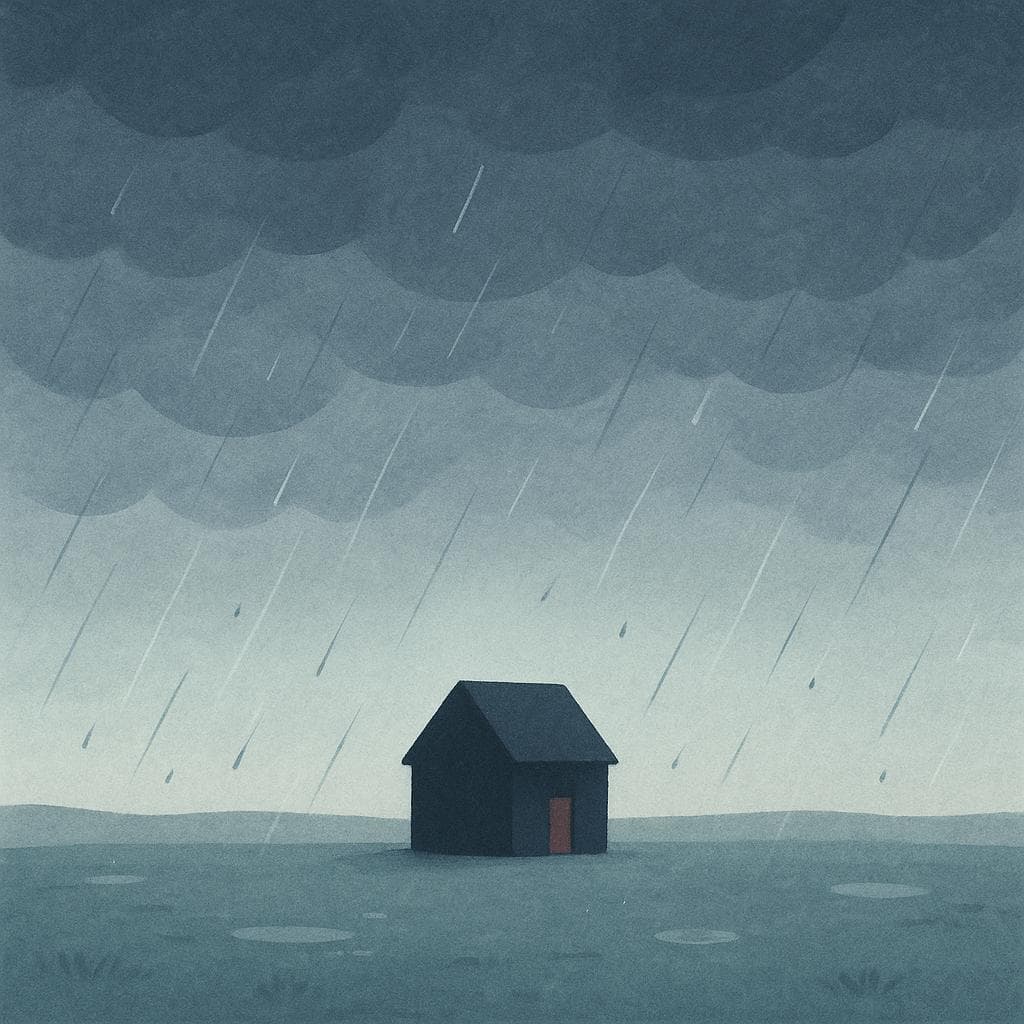
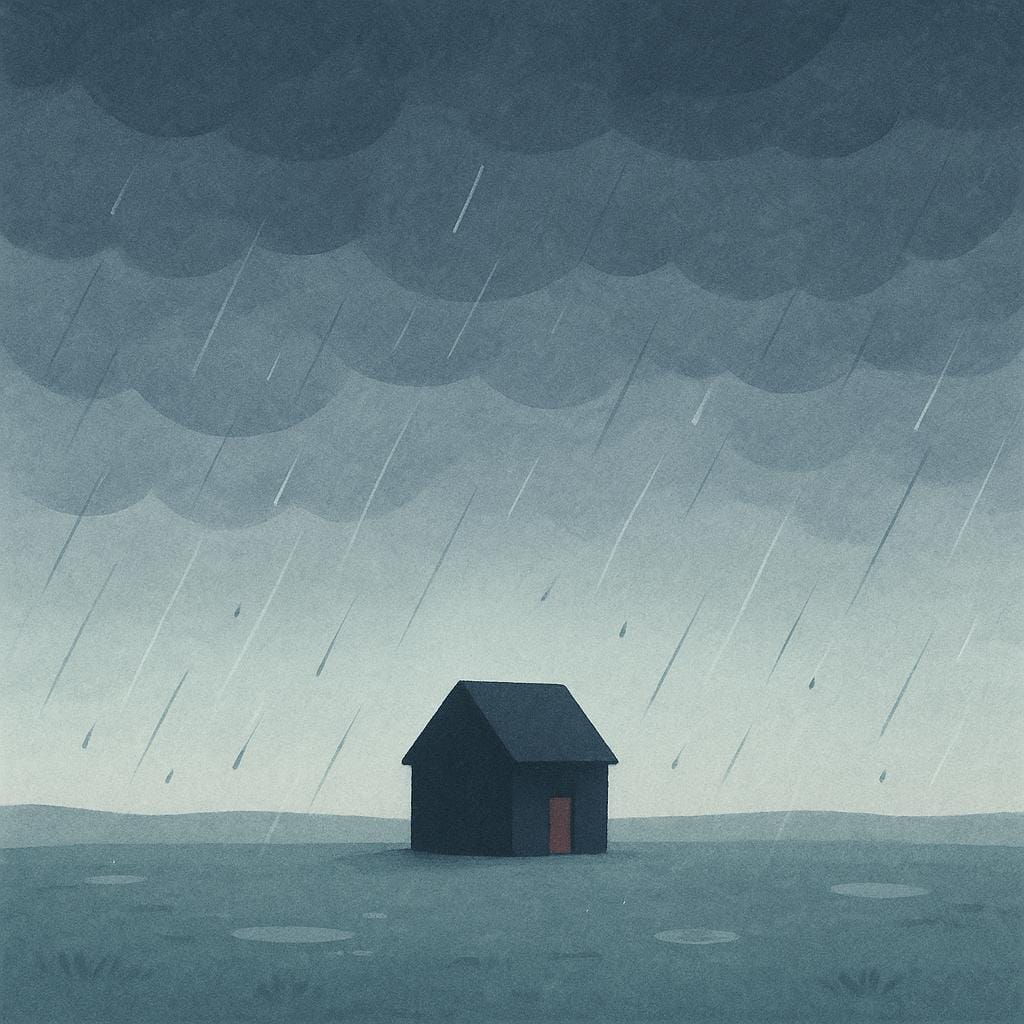
Últimamente, su vida se ha vuelto muy gris.
Lately, his life has become very dull/monotonous.
Tras la derrota, el ambiente en el vestuario era gris.
After the defeat, the atmosphere in the locker room was gloomy.
muerta
MWER-tahˈmweɾta
Examples
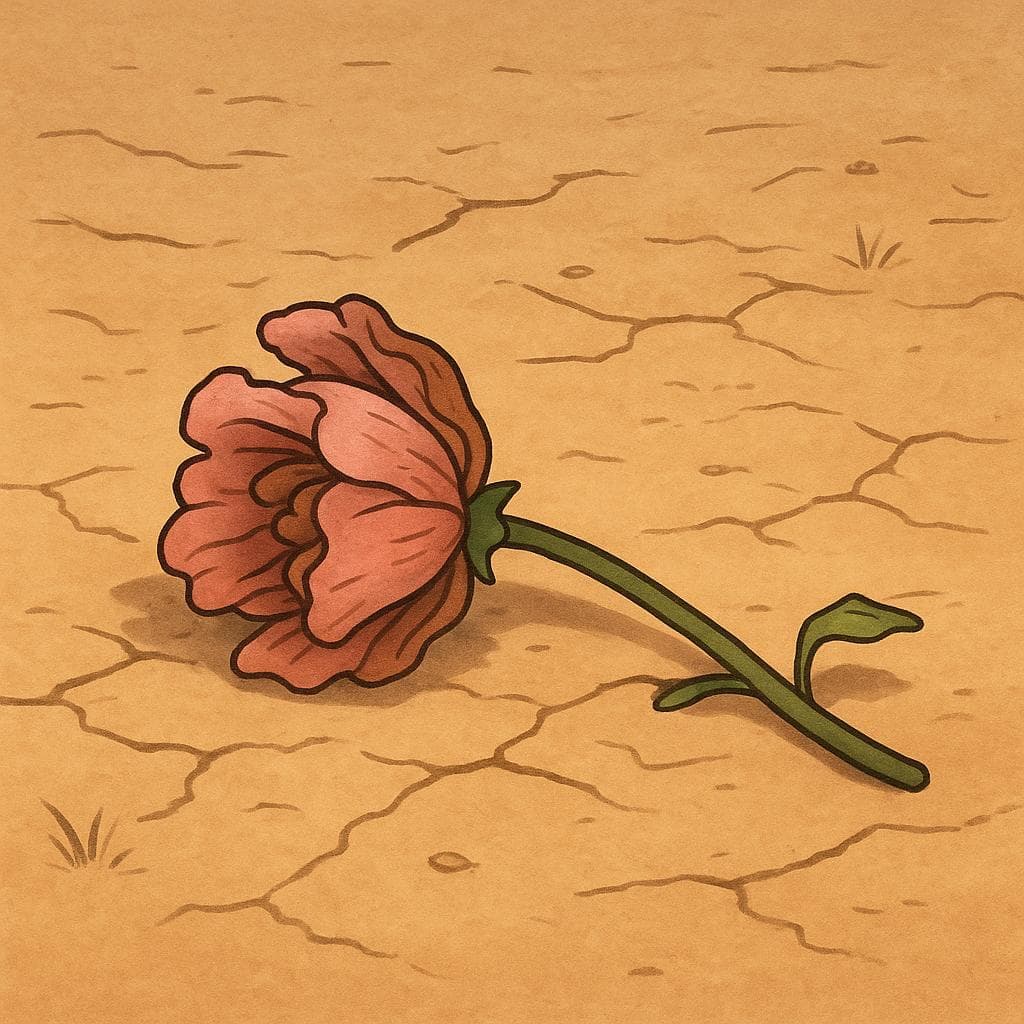
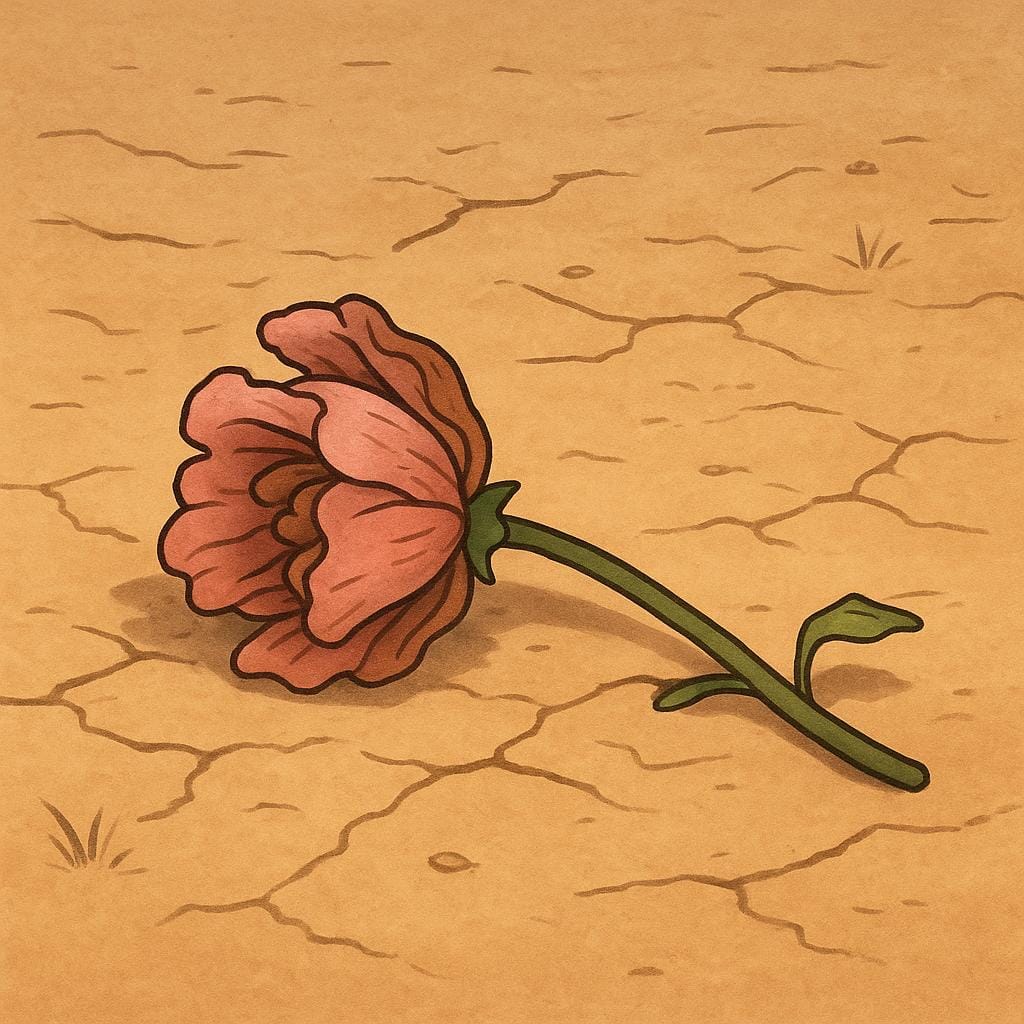
La flor que me regalaste está muerta.
The flower you gave me is dead.
Después de la maratón, llegué a casa muerta.
After the marathon, I got home exhausted.
Se me quedó la pierna muerta después de estar sentada tanto tiempo.
My leg went numb after sitting for so long.
Matches the Noun
As an adjective, 'muerta' must agree with the feminine thing it describes. For a masculine noun, you'd use 'muerto'. Example: 'la planta muerta' (the dead plant), 'el árbol muerto' (the dead tree).
Use with 'Estar', not 'Ser'
To say something is dead, you almost always use the verb 'estar' (e.g., 'La mosca está muerta'). Using 'ser' is very rare and sounds unnatural in most situations.
Past Participle of 'Morir'
'Muerta' is also a special form of the verb 'morir' (to die), called a past participle. This is why it can describe the result of that action, like 'a dead flower' is a flower that has died.
Gender Agreement
Mistake: “La flor está muerto.”
Correction: La flor está muerta. Because 'flor' is a feminine word, the adjective describing it must also be feminine.
Boring vs. Lacking Color
Related Translations
Learn Spanish with Inklingo
Interactive stories, personalized learning, and more.