How to Say "awkward" in Spanish
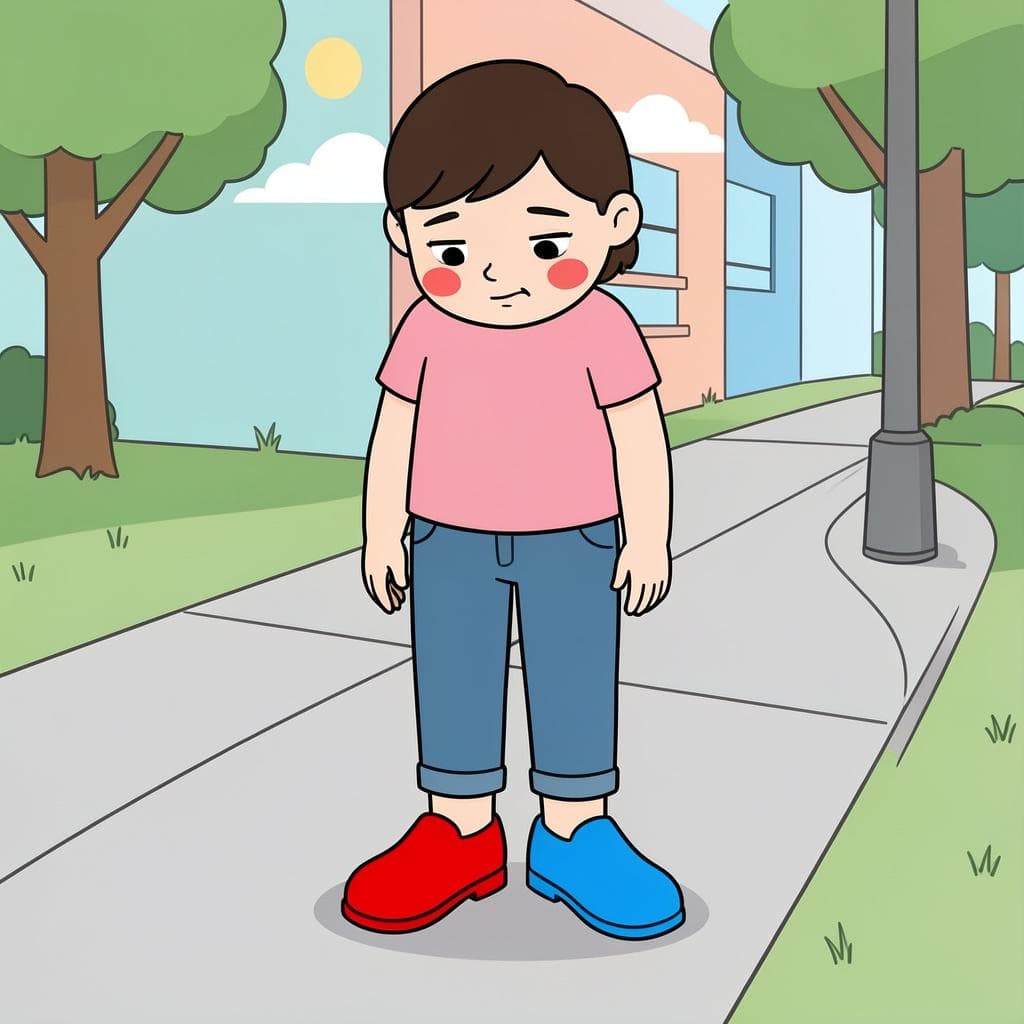
The most common Spanish word for “awkward” is “incómodo” — use this word to describe a social or emotional situation that feels uncomfortable, tense, or strained, often due to silence or an unpleasant atmosphere.




incómodo
Examples
Hubo un silencio incómodo después de que se fue.
There was an awkward silence after she left.
embarazoso
em-bah-rah-SOH-sohembaɾaˈsoso
Examples
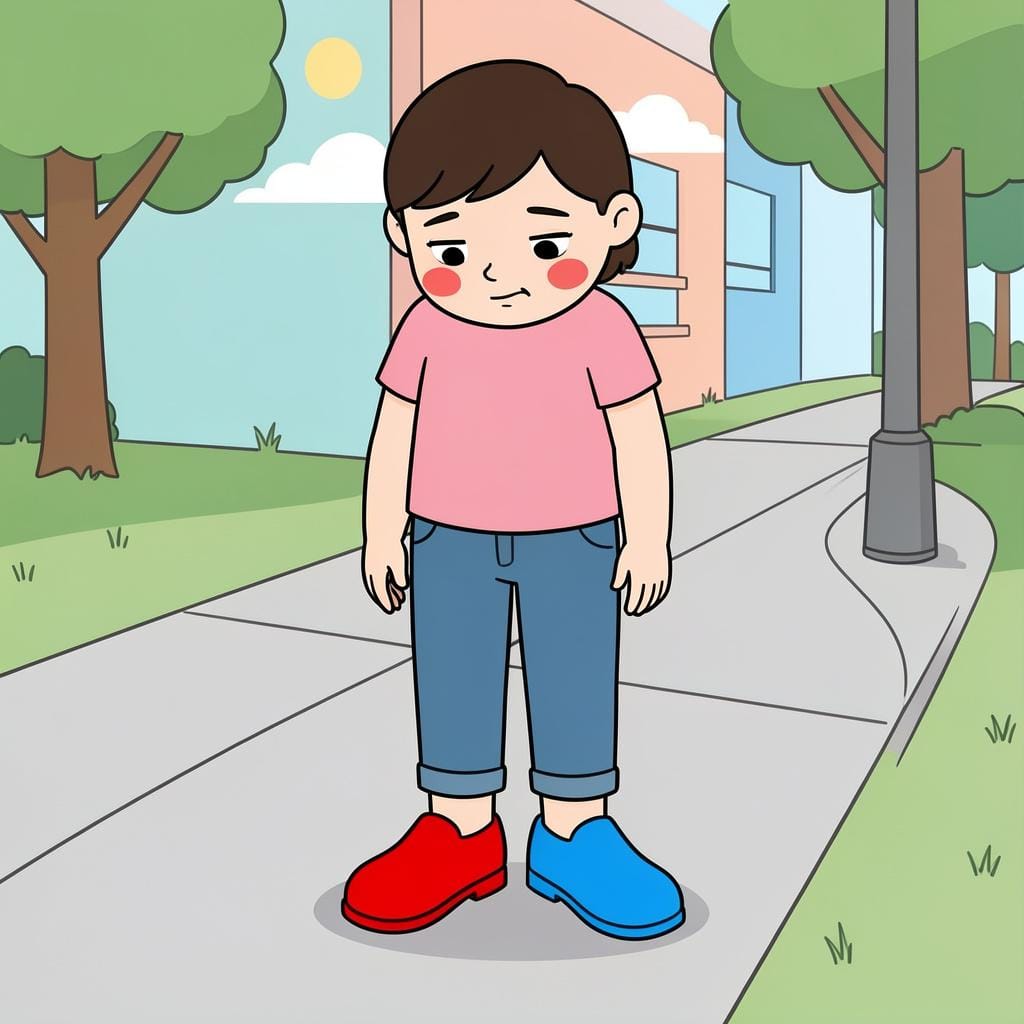
Fue un momento muy embarazoso cuando olvidé su nombre.
It was a very embarrassing moment when I forgot her name.
Hubo un silencio embarazoso en la cena.
There was an awkward silence at the dinner.
Es embarazoso admitir que me equivoqué.
It is embarrassing to admit that I was wrong.
Describing Situations
This word is almost always used with the verb 'ser' (to be) because it describes a characteristic of an event or a situation.
Gender Agreement
The ending changes to -a (embarazosa) if you are describing a feminine word, like 'una situación'.
The 'Pregnant' Trap
Mistake: “Using 'embarazoso' to say you are pregnant.”
Correction: Use 'embarazada' for a person who is pregnant. 'Embarazoso' only means a situation is awkward.
People vs. Situations
Mistake: “Saying 'Estoy embarazoso' to mean 'I am embarrassed'.”
Correction: Say 'Me siento avergonzado' or 'Tengo vergüenza'. 'Embarazoso' describes the thing that causes the feeling, not the person feeling it.
torpe
TORE-pehˈtoɾpe

Examples
Mi hermano es muy torpe y siempre rompe los vasos.
My brother is very clumsy and always breaks the glasses.
Tiene unas manos torpes; no puede atarse los zapatos rápido.
He has awkward hands; he can't tie his shoes quickly.
Adjectives Ending in -e
Since 'torpe' ends in -e, it is the same form whether you are describing a masculine or feminine person or thing: 'el chico torpe' (the clumsy boy) or 'la chica torpe' (the clumsy girl).
Using 'ser' vs. 'estar'
Mistake: “Estar torpe (meaning temporarily clumsy or feeling unwell).”
Correction: Use 'Ser torpe' to describe someone's permanent characteristic (they are a clumsy person). Use 'Estar torpe' only if they are temporarily clumsy due to tiredness or illness.
complicado
kom-pli-KAH-dohkompliˈkaðo

Examples
Su relación es un poco complicada; tienen muchos altibajos.
Their relationship is a bit troubled (or complicated); they have many ups and downs.
Es una persona complicada, nunca sabes lo que quiere.
He is a difficult person; you never know what he wants.
Ser vs. Estar for Temporary States
While 'ser' (Eres complicado) describes someone's inherent difficult personality, 'estar' (Estás complicado) can describe a temporary state of being overwhelmed or in a tricky situation right now.
delicado
deh-lee-KAH-dohdeliˈkaðo

Examples
Mi tío está delicado de salud desde la operación.
My uncle has been in poor health since the operation.
Tuvimos que manejar el tema con mucho tacto porque era una cuestión delicada.
We had to handle the topic with great care because it was a sensitive issue.
Describing Health
When talking about someone's health, use the verb 'estar' (to be temporarily) with 'delicado' to mean they are currently ill or frail: 'Ella está delicada'.
Using 'Ser' for Temporary Health
Mistake: “Mi abuelo es delicado de salud.”
Correction: Mi abuelo está delicado de salud. ('Ser' implies a permanent trait; 'estar' implies a current state.)
violenta
bee-oh-LEN-tahbjoˈlenta

Examples
La tormenta de anoche fue muy violenta.
Last night's storm was very violent.
Se produjo un silencio violento cuando él entró en la habitación.
An awkward silence occurred when he entered the room.
Ella no es una persona violenta.
She is not a violent person.
Gender Match
Because this word ends in 'a', use it only when describing feminine things. If you describe a masculine thing, change it to 'violento'.
The 'Awkward' Trap
Mistake: “Using 'violenta' only for physical fights.”
Correction: Remember that in Spanish, 'violenta' is the go-to word for 'socially awkward' situations that feel forced or uncomfortable.
Choosing Between Incómodo and Embarazoso
Related Translations
Learn Spanish with Inklingo
Interactive stories, personalized learning, and more.