How to Say "embarrassing" in Spanish
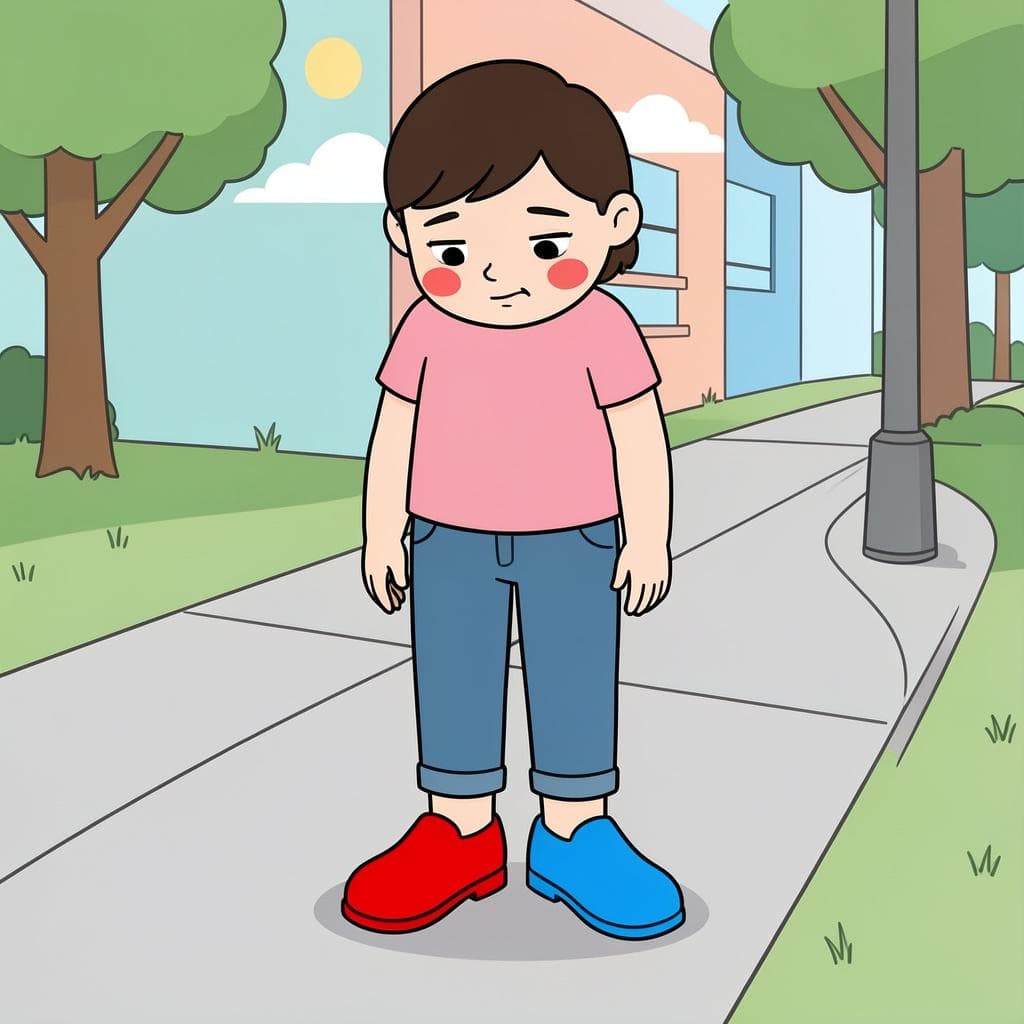
The most common Spanish word for “embarrassing” is “embarazoso” — use this for situations that cause a feeling of self-consciousness or awkwardness, often due to a social faux pas.


embarazoso
em-bah-rah-SOH-sohembaɾaˈsoso
Examples
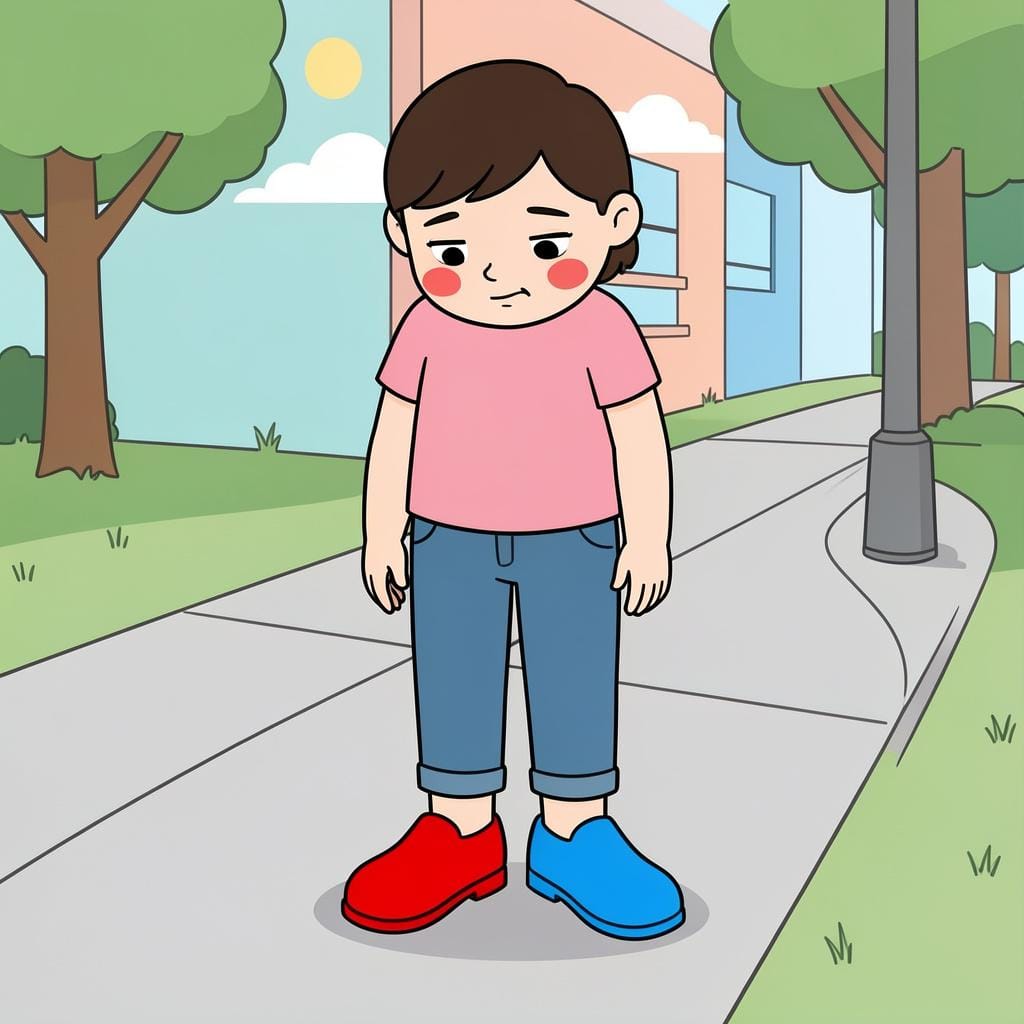
Fue un momento muy embarazoso cuando olvidé su nombre.
It was a very embarrassing moment when I forgot her name.
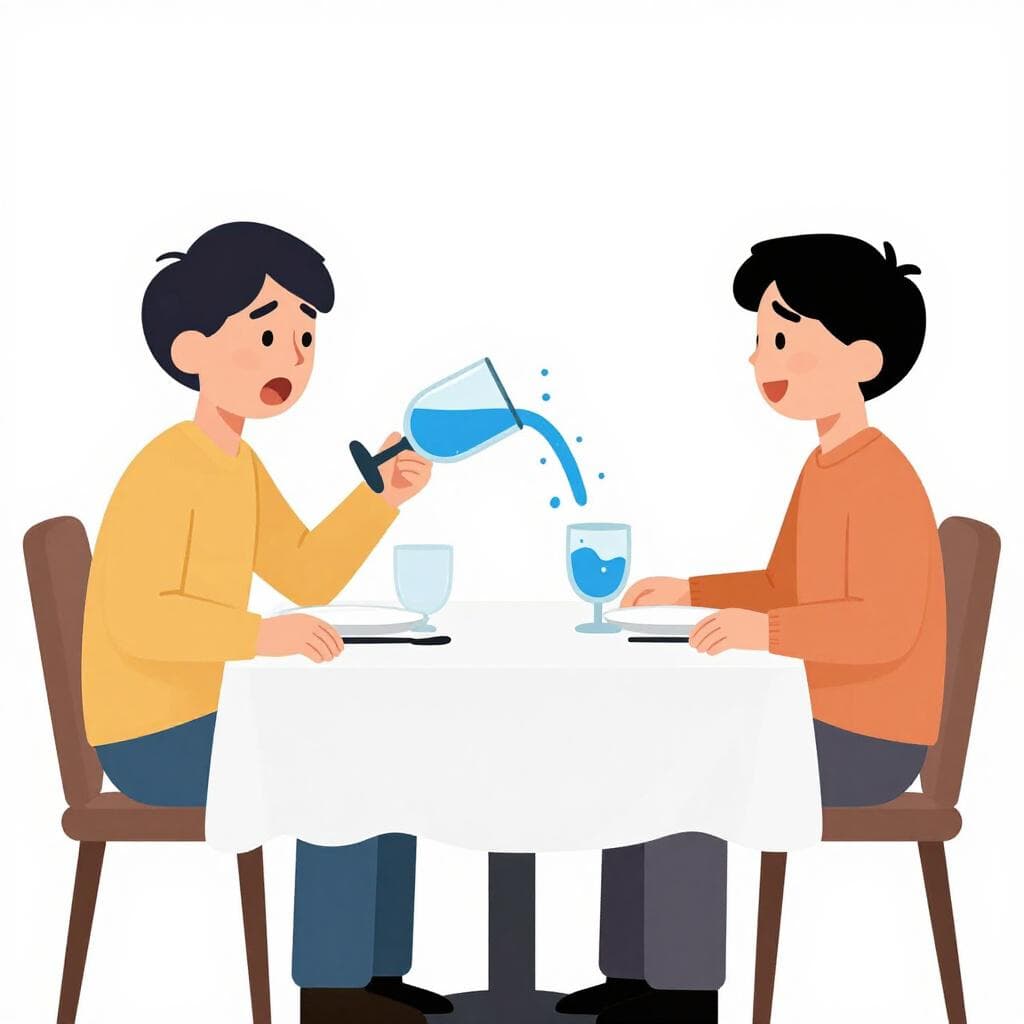
Hubo un silencio embarazoso en la cena.
There was an awkward silence at the dinner.
Es embarazoso admitir que me equivoqué.
It is embarrassing to admit that I was wrong.
Describing Situations
This word is almost always used with the verb 'ser' (to be) because it describes a characteristic of an event or a situation.
Gender Agreement
The ending changes to -a (embarazosa) if you are describing a feminine word, like 'una situación'.
The 'Pregnant' Trap
Mistake: “Using 'embarazoso' to say you are pregnant.”
Correction: Use 'embarazada' for a person who is pregnant. 'Embarazoso' only means a situation is awkward.
People vs. Situations
Mistake: “Saying 'Estoy embarazoso' to mean 'I am embarrassed'.”
Correction: Say 'Me siento avergonzado' or 'Tengo vergüenza'. 'Embarazoso' describes the thing that causes the feeling, not the person feeling it.
incómodo
Examples
Hubo un silencio incómodo después de que se fue.
There was an awkward silence after she left.
vergonzoso
vair-gohn-SOH-sohbeɾ.ɣonˈso.so

Examples
La manera en que trataron al cliente fue vergonzosa.
The way they treated the customer was shameful (or disgraceful).
Olvidar mi discurso fue un momento vergonzoso.
Forgetting my speech was an embarrassing moment.
Es vergonzoso que todavía tengamos este problema.
It is embarrassing that we still have this problem.
Making it Match
Like most Spanish adjectives, 'vergonzoso' must change its ending to match the thing it describes. Use -a for feminine nouns (vergonzosa) and add -s for plurals (vergonzosos/vergonzosas).
Mixing up the 'Oso' words
Mistake: “Using 'vergonzoso' when you mean 'vergonzante' (which is very rare and means 'shaming').”
Correction: Always use 'vergonzoso' to describe something that causes shame or is full of shame.
penoso
peh-NOH-sohpeˈnoso
Examples
Es penoso ver cómo ha quedado la ciudad tras la tormenta.
It is sad to see how the city looks after the storm.
Fue un momento muy penoso cuando se le olvidó el discurso.
It was a very embarrassing moment when he forgot his speech.
Su comportamiento en la reunión fue realmente penoso.
His behavior at the meeting was truly pitiful.
Matching Gender and Number
Remember to change the ending to 'penosa' for feminine items (una noticia penosa) and add an 's' for plural items (momentos penosos).
Using with 'Ser'
Use the verb 'ser' (to be) when describing a situation that is inherently sad or embarrassing, like 'Es penoso' (It's embarrassing).
Sad vs. Shy
Mistake: “Using 'penoso' to mean 'shy' in Spain.”
Correction: In Spain, use 'tímido'. In Mexico and parts of Latin America, 'penoso' is perfectly fine for 'shy'!
violentos
bee-oh-LEHN-tohsbjoˈlentos
Examples
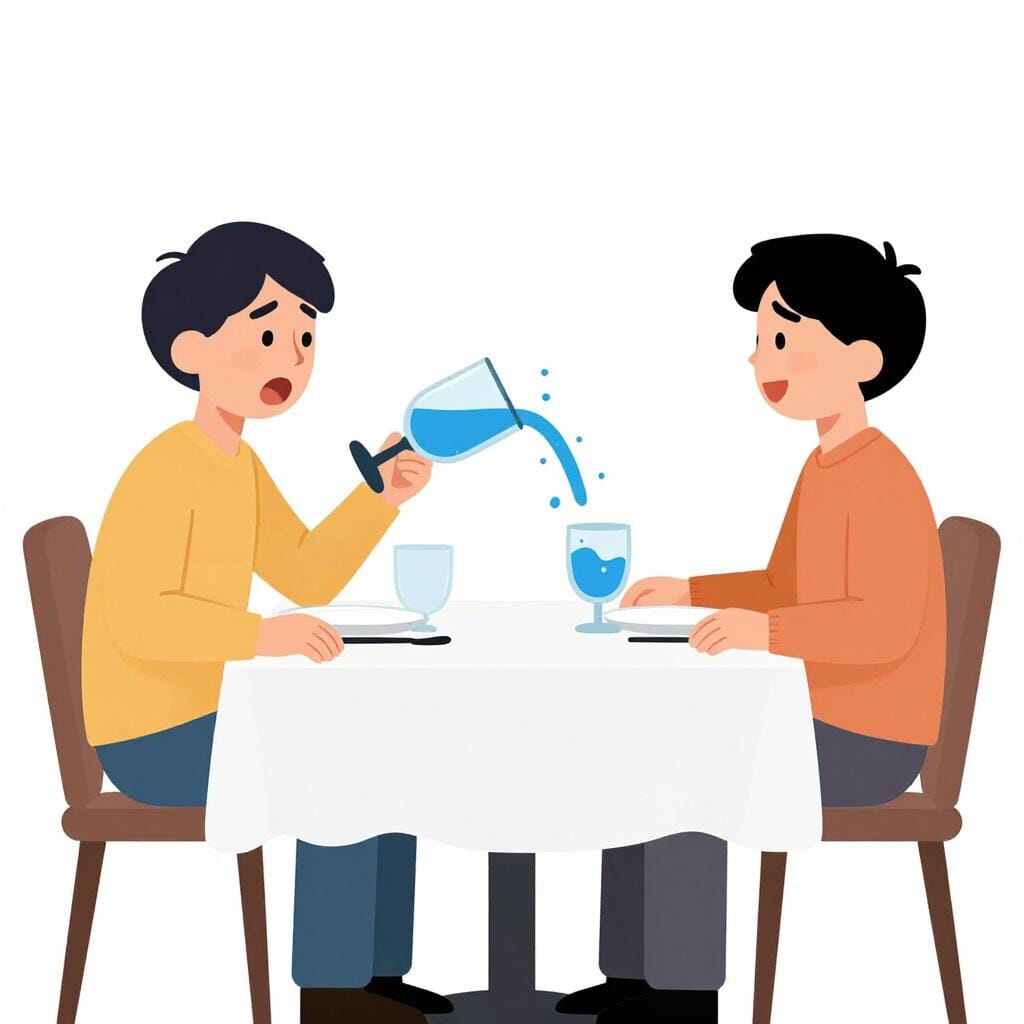
Fueron unos momentos violentos para todos nosotros.
Those were some awkward moments for all of us.
Choosing Between Embarrassing and Awkward
Learn Spanish with Inklingo
Interactive stories, personalized learning, and more.