How to Say "fierce" in Spanish
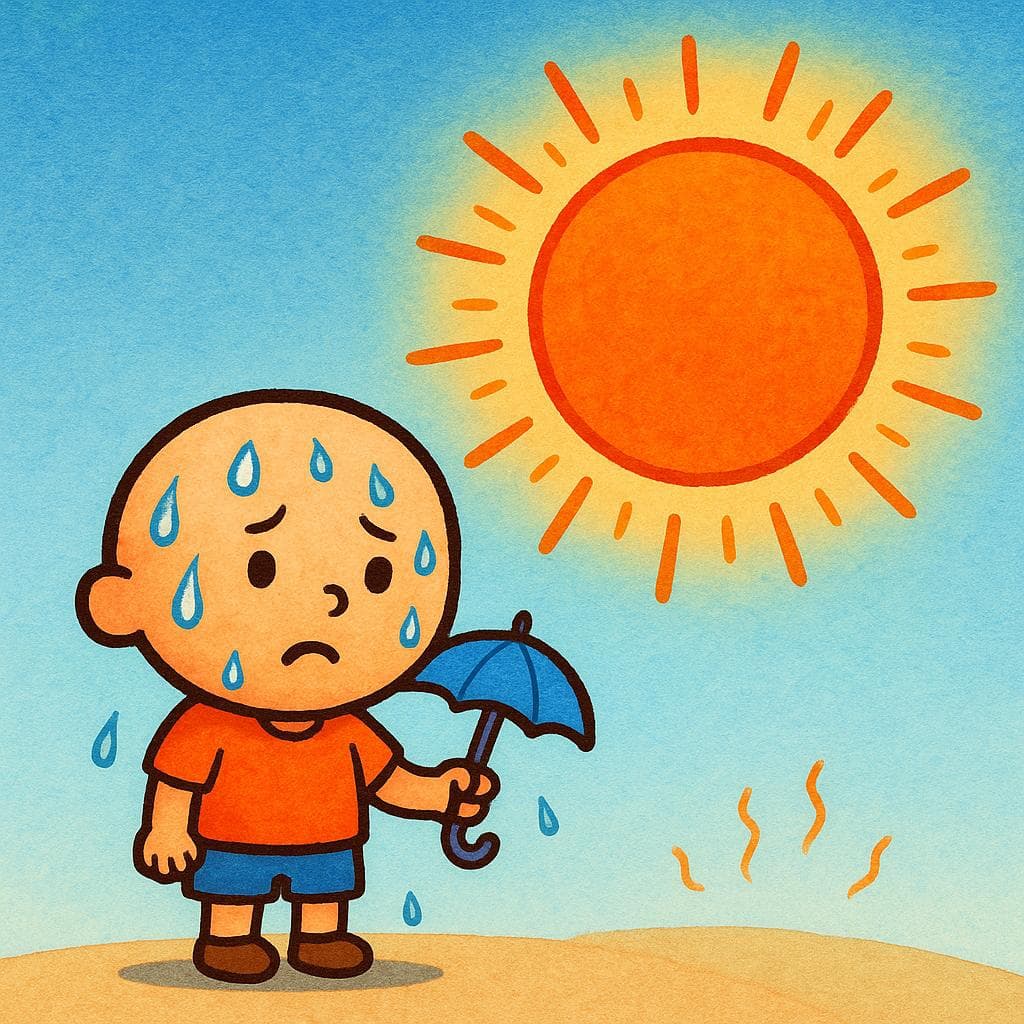
The most common Spanish word for “fierce” is “feroz” — use 'feroz' when describing something or someone as aggressive, dangerous, or frightening, often implying a wild or untamed nature.





feroz
feh-ROHSfeˈɾos

Examples
Ten cuidado con ese perro, es muy feroz.
Be careful with that dog; it is very fierce.
El lobo feroz sopló y sopló la casa de paja.
The big bad wolf huffed and puffed at the straw house.
One Form for All
This word stays the same whether you are talking about a male (un león feroz) or a female (una leona feroz). You don't need to change the ending to 'a'.
Plural Spelling
Mistake: “Los perros ferozes.”
Correction: Los perros feroces.
bravo
BRAH-vohˈbɾaβo

Examples
Tuvimos que cruzar el río bravo, lleno de rocas y mucha corriente.
We had to cross the wild river, full of rocks and a strong current.
Cuidado con ese perro, es muy bravo y muerde.
Be careful with that dog, it is very fierce/aggressive and bites.
Describing Nature
When describing natural elements like oceans or rivers, 'bravo' emphasizes danger, roughness, or untamed power.
salvaje
sal-VA-hesalˈβaxe

Examples
Hubo una protesta salvaje en la ciudad, con muchos disturbios.
There was a fierce/violent protest in the city, with many disturbances.
Su reacción fue tan salvaje que nadie supo qué hacer.
His reaction was so brutal/uncivilized that nobody knew what to do.
Adverb Form
To say something happened 'wildly' or 'savagely,' you add '-mente' to the feminine form: 'salvajemente'.
furioso
foo-ree-OH-sofuˈɾjoso

Examples
El mar estaba furioso y nadie se atrevió a navegar.
The sea was fierce/raging and no one dared to sail.
Ganó la carrera con una velocidad furiosa.
He won the race with furious speed (great intensity/speed).
violentos
bee-oh-LEHN-tohsbjoˈlentos

Examples
Hubo vientos violentos durante la tormenta.
There were fierce winds during the storm.
Esa pintura tiene contrastes muy violentos.
That painting has very intense/vivid contrasts.
terrible
teh-REE-blehteˈrible
Examples
¡Qué fiesta tan terrible! Nos divertimos muchísimo.
What a tremendous party! We had a great time.
Tengo un hambre terrible, podría comerme un caballo.
I'm terribly hungry, I could eat a horse.
El nuevo cantante tiene una voz terrible.
The new singer has a tremendous/powerful voice.
Boosting Another Word's Power
In this use, 'terrible' doesn't mean 'bad'. Instead, it acts like 'very' or 'extremely' to make another word stronger. So, 'un hambre terrible' means 'extreme hunger,' not 'a bad-tasting hunger'.
Confusing 'Bad' with 'Intense'
Mistake: “Hearing '¡Qué mujer tan terrible!' and always assuming it's an insult.”
Correction: It could be an insult, OR it could mean 'What a formidable/impressive woman!'. The speaker's tone of voice and the situation are your best clues to figure out the real meaning.
Feroz vs. Furioso vs. Salvaje
Learn Spanish with Inklingo
Interactive stories, personalized learning, and more.