How to Say "savage" in Spanish
The most common Spanish word for “savage” is “feroz” — use 'feroz' to describe something untamed, aggressive, or intensely cruel, often applied to animals or strong emotions.


feroz
feh-ROHSfeˈɾos
Examples
Ten cuidado con ese perro, es muy feroz.
Be careful with that dog; it is very fierce.
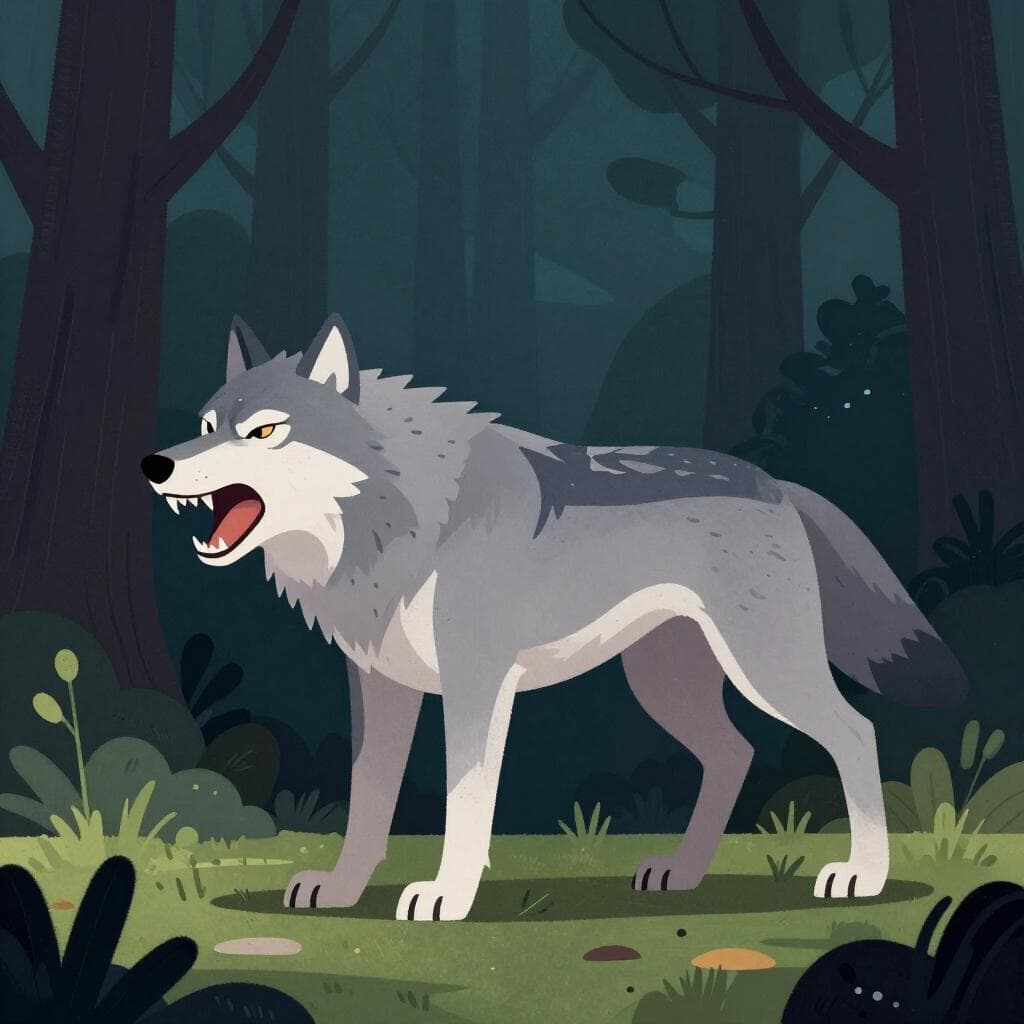
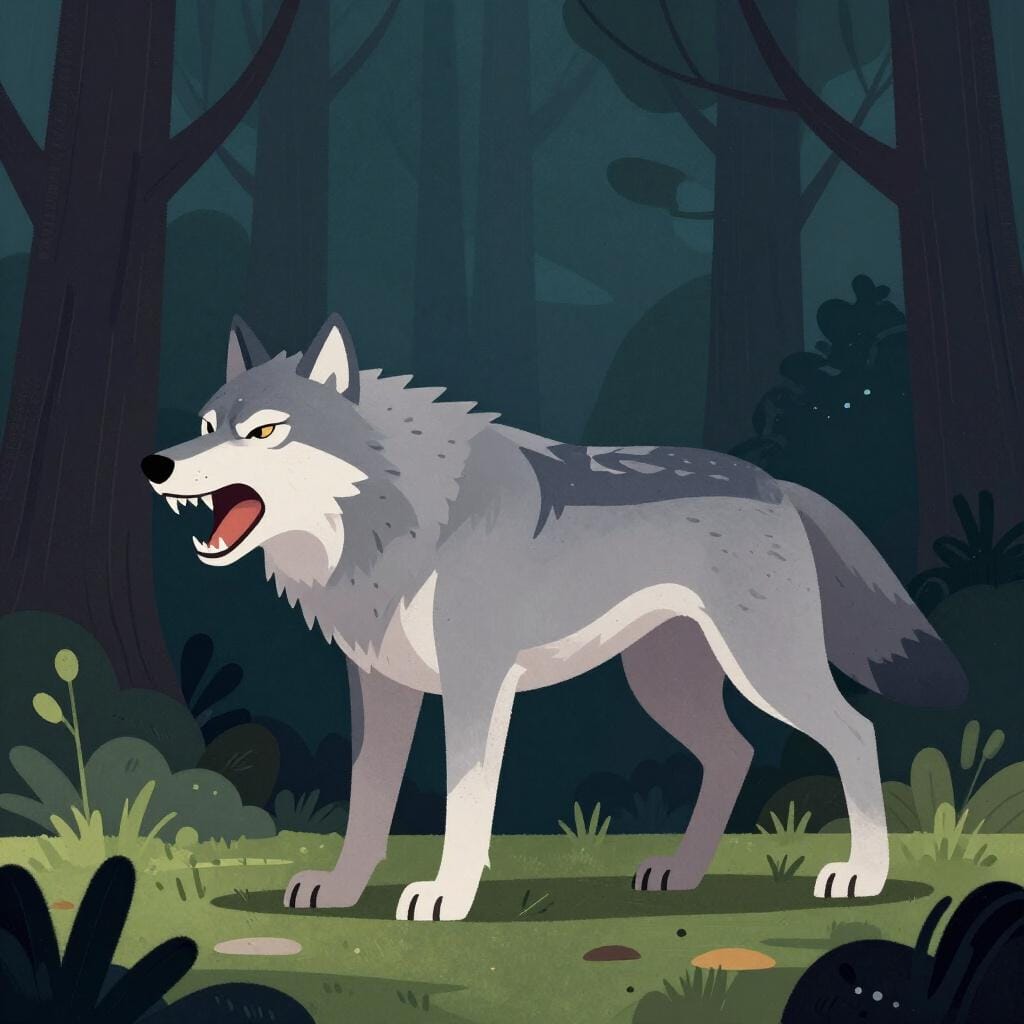
El lobo feroz sopló y sopló la casa de paja.
The big bad wolf huffed and puffed at the straw house.
One Form for All
This word stays the same whether you are talking about a male (un león feroz) or a female (una leona feroz). You don't need to change the ending to 'a'.
Plural Spelling
Mistake: “Los perros ferozes.”
Correction: Los perros feroces.
brutal
broo-TAHLbɾuˈtal

Examples
La policía usó una fuerza brutal contra los manifestantes.
The police used brutal force against the protesters.
El invierno en Siberia es brutal, con temperaturas bajo cero.
Winter in Siberia is harsh (brutal), with temperatures below zero.
Adjective Placement
Like many Spanish adjectives that describe a permanent quality, 'brutal' usually goes after the noun it describes (e.g., 'un calor brutal').
salvaje
sal-VA-hesalˈβaxe

Examples
Hubo una protesta salvaje en la ciudad, con muchos disturbios.
There was a fierce/violent protest in the city, with many disturbances.
Su reacción fue tan salvaje que nadie supo qué hacer.
His reaction was so brutal/uncivilized that nobody knew what to do.
Lo trataron como a un salvaje por no usar cubiertos.
They treated him like a savage for not using cutlery.
Los exploradores se encontraron con los salvajes de la tribu.
The explorers met the savages of the tribe.
Adverb Form
To say something happened 'wildly' or 'savagely,' you add '-mente' to the feminine form: 'salvajemente'.
Gender Change
When used as a noun, 'salvaje' must match the person's gender: 'un salvaje' (a male savage) or 'una salvaje' (a female savage).
bárbaro
Examples
Fue un ataque bárbaro contra civiles.
It was a barbaric attack against civilians.
Brutal vs. Salvaje Actions
Related Translations
Learn Spanish with Inklingo
Interactive stories, personalized learning, and more.