How to Say "cruel" in Spanish
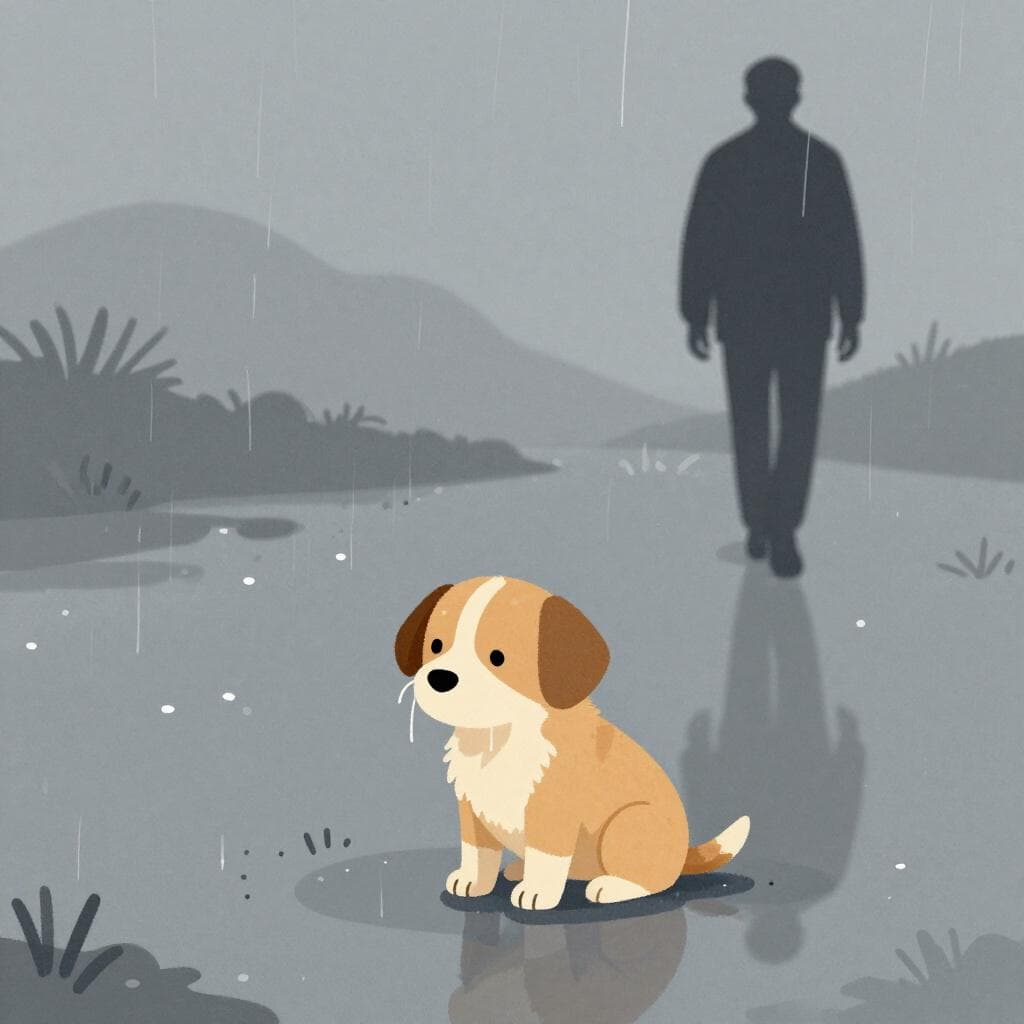
The most common Spanish word for “cruel” is “cruel” — use 'cruel' when referring to a person or their actions that intentionally cause suffering or are characterized by a lack of kindness and mercy.



cruel
kroo-ELkɾuˈel

Examples
El dictador era conocido por sus métodos crueles.
The dictator was known for his cruel methods.
La vida a veces puede ser muy cruel e injusta.
Life can sometimes be very harsh and unfair.
Fue un comentario cruel que hirió sus sentimientos.
It was a cruel comment that hurt her feelings.
Gender is Invariable
Unlike many Spanish adjectives, 'cruel' is the same for both masculine and feminine nouns. You say 'el hombre cruel' (the cruel man) and 'la mujer cruel' (the cruel woman).
Forgetting the Plural
Mistake: “Los jefes cruel.”
Correction: The correct plural is 'crueles': Los jefes crueles. Adjectives ending in a consonant add '-es' to become plural.
inhumano
een-oo-MAH-nohin.uˈma.no

Examples
El trato que recibieron los prisioneros fue inhumano.
The treatment the prisoners received was inhuman.
Es inhumano abandonar a una mascota en la calle.
It is cruel to abandon a pet in the street.
Sus palabras mostraron una frialdad casi inhumana.
His words showed an almost inhuman coldness.
Gender Matching
This word ends in -o, so it changes to 'inhumana' if the thing or person you are describing is feminine, like 'una acción inhumana' (a cruel action).
Placement with Nouns
Usually, you place 'inhumano' after the noun it describes to emphasize the quality of the action or person.
Using it for 'non-human'
Mistake: “Un robot es inhumano.”
Correction: Un robot no es humano (meaning it's a machine). 'Inhumano' implies it is cruel.
brutal
broo-TAHLbɾuˈtal

Examples
La policía usó una fuerza brutal contra los manifestantes.
The police used brutal force against the protesters.
El invierno en Siberia es brutal, con temperaturas bajo cero.
Winter in Siberia is harsh (brutal), with temperatures below zero.
Adjective Placement
Like many Spanish adjectives that describe a permanent quality, 'brutal' usually goes after the noun it describes (e.g., 'un calor brutal').
bárbaro
Examples
Fue un ataque bárbaro contra civiles.
It was a barbaric attack against civilians.
tirano
tee-RAH-nohtiˈɾano

Examples
Es un jefe tirano que nunca escucha a sus empleados.
He is a tyrannical boss who never listens to his employees.
A veces mi hermano mayor se pone un poco tirano conmigo.
Sometimes my older brother gets a bit bossy with me.
No soporto sus actitudes tiranas en el grupo de trabajo.
I can't stand her tyrannical attitudes in the work group.
Adjective Agreement
Remember that if you are describing a woman or a feminine object, the word must change to 'tirana'. For example: 'una jefa tirana'.
Distinguishing 'Cruel' from 'Brutal'
Learn Spanish with Inklingo
Interactive stories, personalized learning, and more.