tirano
“tirano” means “tyrant” in Spanish. It has 2 different meanings depending on context:
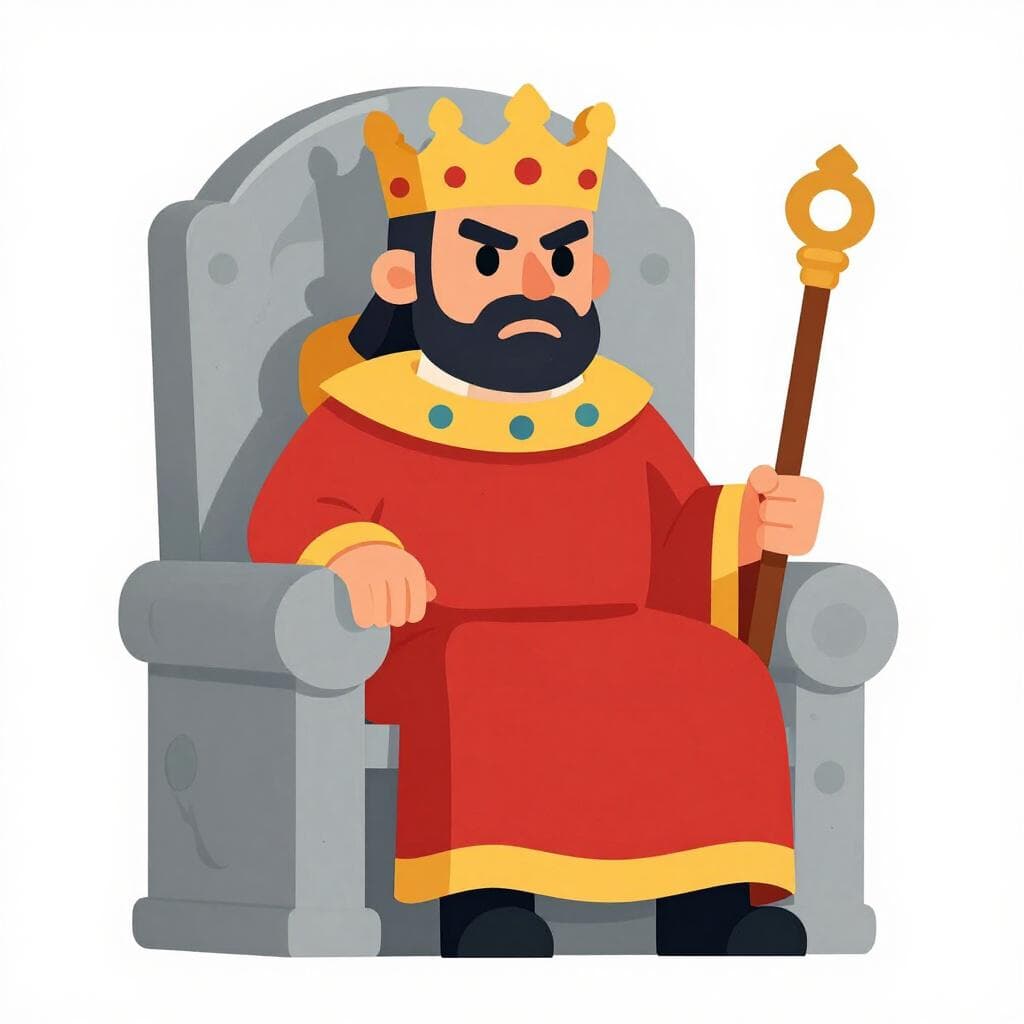
tyrant
Also: dictator, despot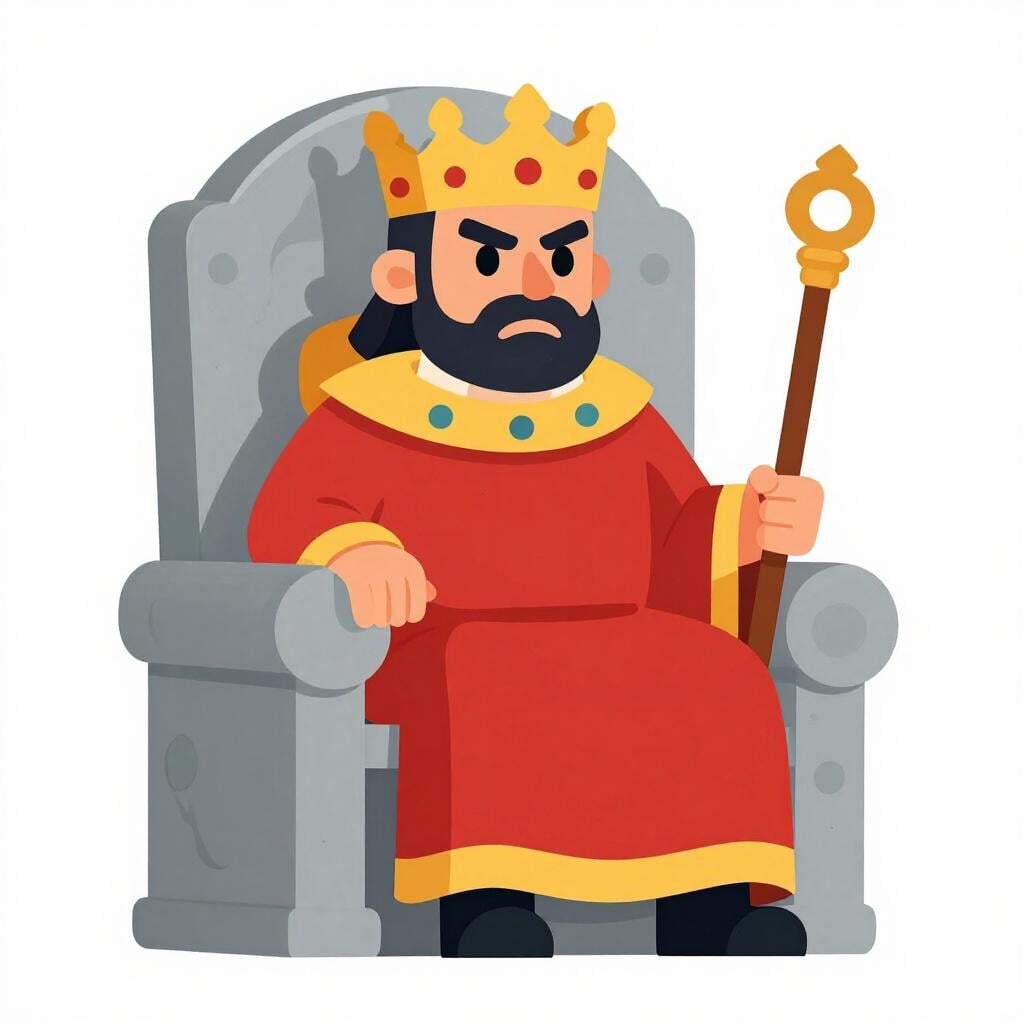
📝 In Action
El pueblo se levantó para derrocar al tirano.
B1The people rose up to overthrow the tyrant.
La historia está llena de tiranos que abusaron de su poder.
B2History is full of tyrants who abused their power.
Nadie se atrevía a contradecir las órdenes del tirano.
C1No one dared to contradict the tyrant's orders.
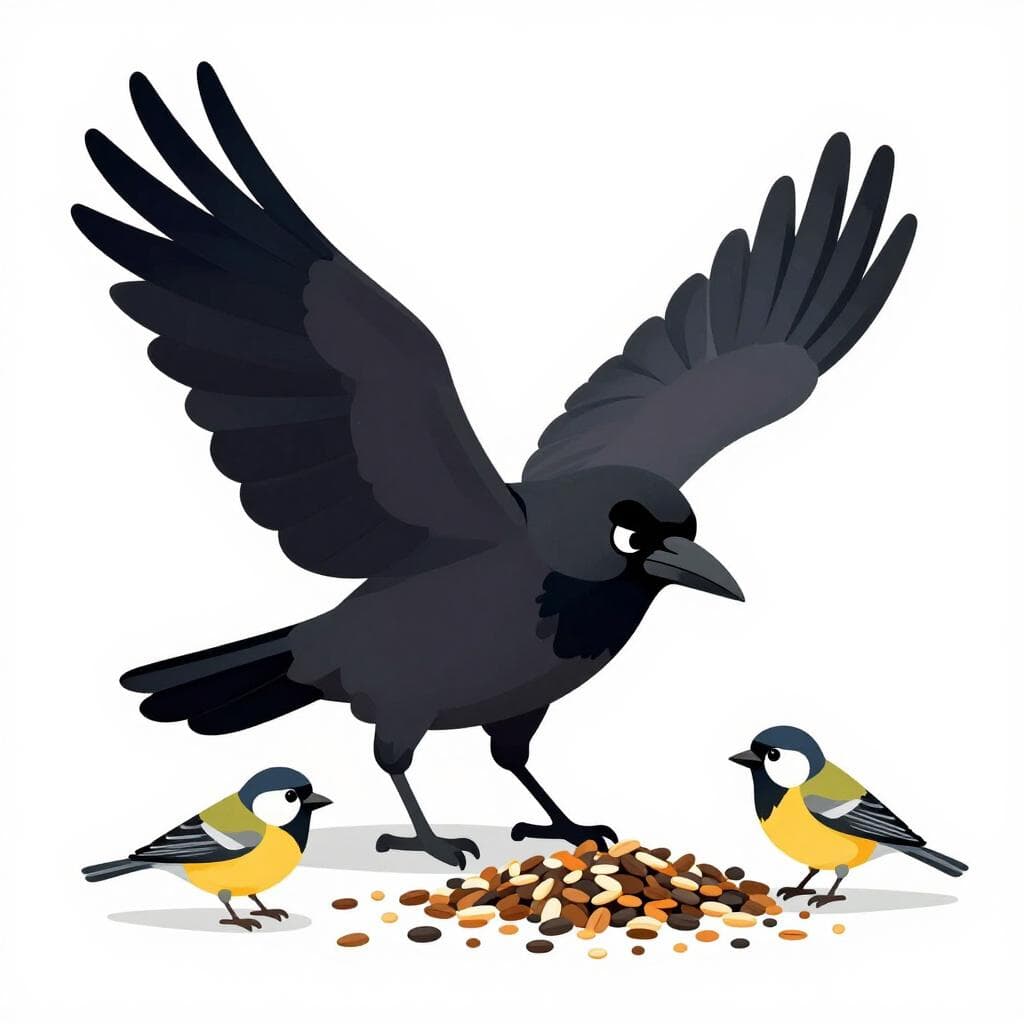
tyrannical
Also: bossy, cruel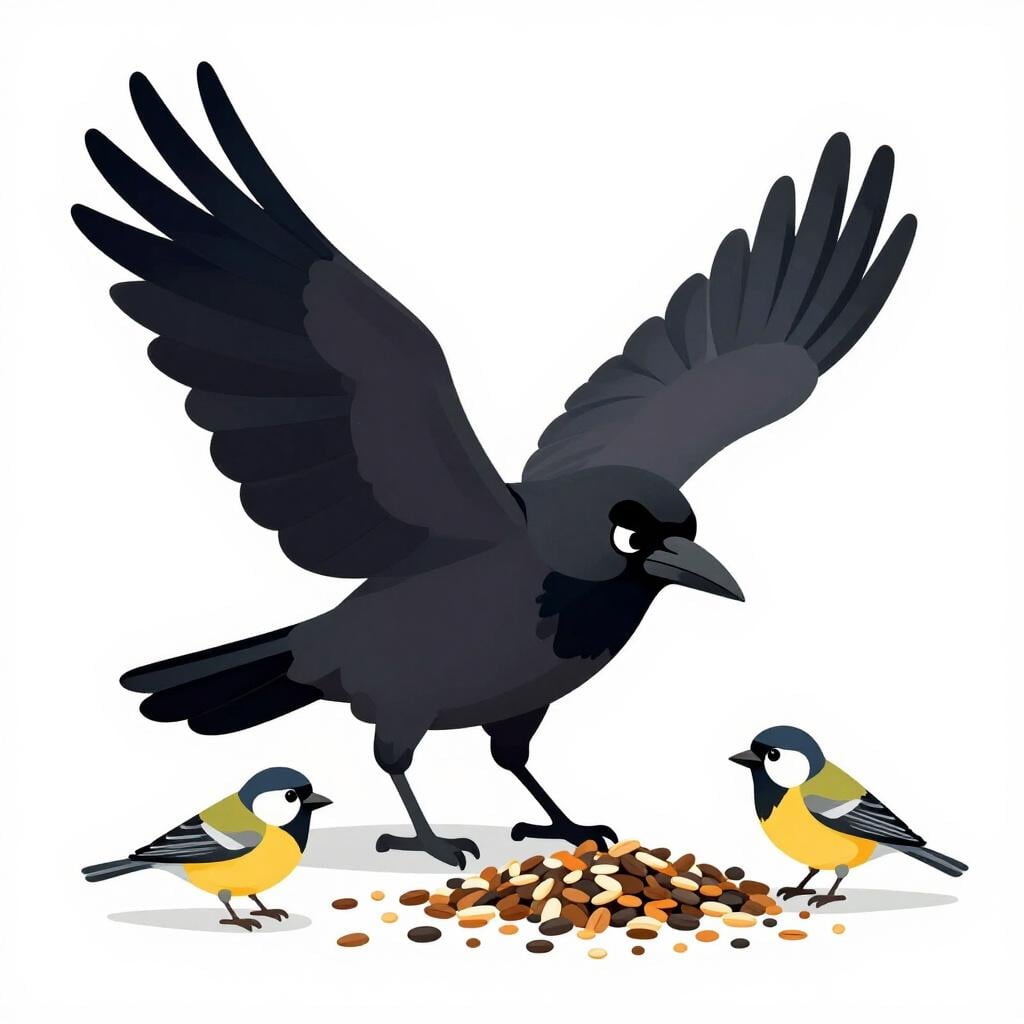
📝 In Action
Es un jefe tirano que nunca escucha a sus empleados.
B2He is a tyrannical boss who never listens to his employees.
A veces mi hermano mayor se pone un poco tirano conmigo.
B1Sometimes my older brother gets a bit bossy with me.
No soporto sus actitudes tiranas en el grupo de trabajo.
C1I can't stand her tyrannical attitudes in the work group.
Translate to Spanish
✏️ Quick Practice
Quick Quiz: tirano
Question 1 of 3
Which of these words is the best synonym for 'tirano' in a political context?
📚 More Resources
👥 Word Family▼
📚 Etymology▼
From the Greek word 'tyrannos,' which originally referred to a ruler who obtained power without legal right, though not necessarily a bad one. It passed into Latin as 'tyrannus' and then into Spanish.
First recorded: 13th century
Cognates (Related words)
💡 Master Spanish
Take your Spanish to the next level. Read 200+ illustrated and narrated Spanish stories tailored to your level with the Inklingo app!
Frequently Asked Questions
Is 'tirano' always a bad thing?
Yes, in modern Spanish, 'tirano' always carries a negative connotation of cruelty and abuse of power.
Can I use 'tirano' for someone who isn't a politician?
Absolutely! It is often used figuratively to describe a boss, a parent, or anyone who acts in a very controlling or bossy way.
Does it have a special plural form?
No, it follows the standard rule: 'tiranos' for masculine/mixed groups and 'tiranas' for a group of females.