dictador
“dictador” means “dictator” in Spanish (a ruler with total power).
dictator
Also: tyrant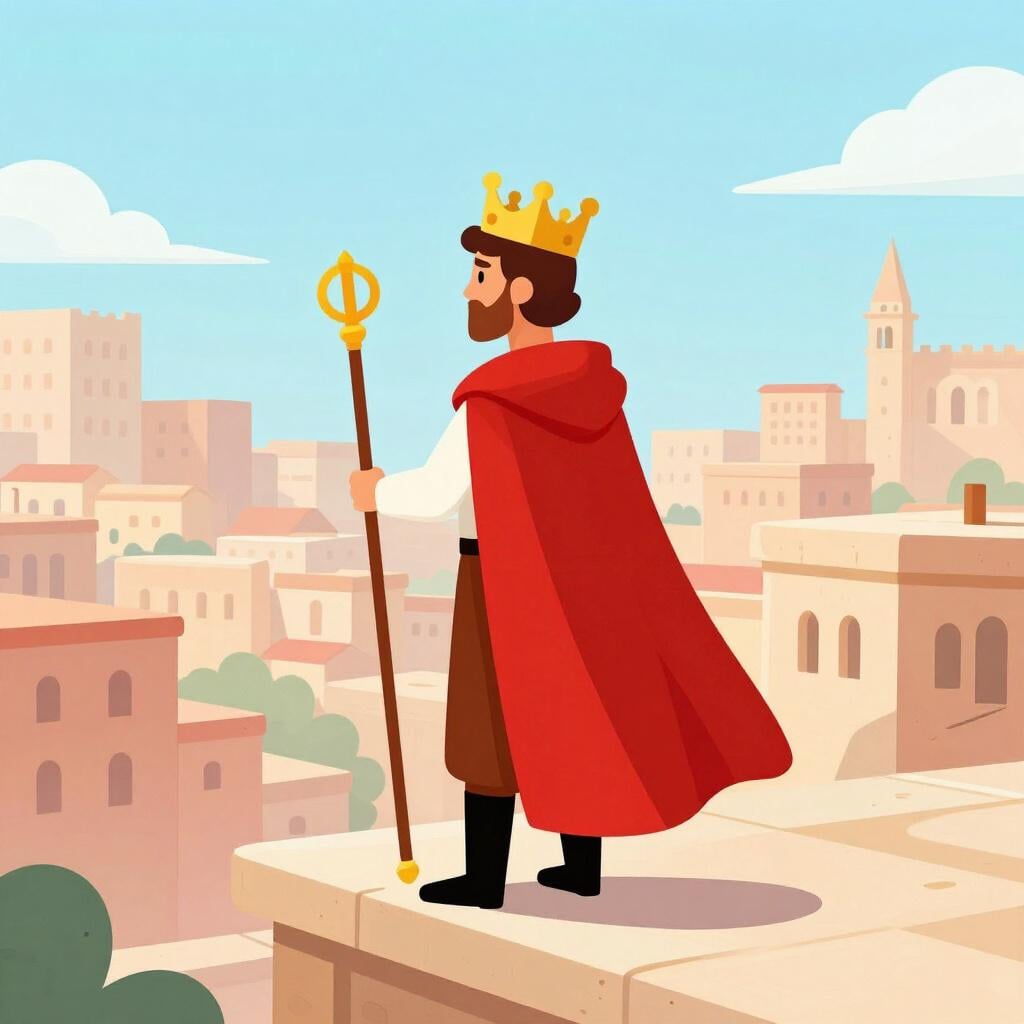
📝 In Action
El dictador tomó el poder por la fuerza.
A2The dictator took power by force.
Muchos ciudadanos protestaron contra el dictador.
B1Many citizens protested against the dictator.
La historia recuerda a ese hombre como un dictador cruel.
B2History remembers that man as a cruel dictator.
✏️ Quick Practice
Quick Quiz: dictador
Question 1 of 3
What is the plural form of 'dictador'?
📚 More Resources
👥 Word Family▼
📚 Etymology▼
From the Latin word 'dictator', which comes from 'dictare', meaning 'to say often' or 'to prescribe'.
First recorded: 13th century
Cognates (Related words)
💡 Master Spanish
Take your Spanish to the next level. Read 200+ illustrated and narrated Spanish stories tailored to your level with the Inklingo app!
Frequently Asked Questions
Is 'dictador' always a bad word?
In modern conversation, yes, it describes an oppressive leader. However, in historical contexts regarding Ancient Rome, it was a formal government title.
How do I know if I should use 'dictador' or 'dictadora'?
Use 'dictador' for a man and 'dictadora' for a woman. If the gender is unknown or you are speaking in general terms, Spanish defaults to the masculine 'dictador'.
Is it the same as a 'tirano'?
They are very similar. A 'dictador' describes someone with absolute power, while 'tirano' (tyrant) emphasizes that the ruler is cruel or uses that power unfairly.