How to Say "dictator" in Spanish
The most common Spanish word for “dictator” is “dictador” — use 'dictador' when referring to a ruler who holds absolute power, especially one who has taken power by force or outside of legal means, without necessarily emphasizing cruelty.
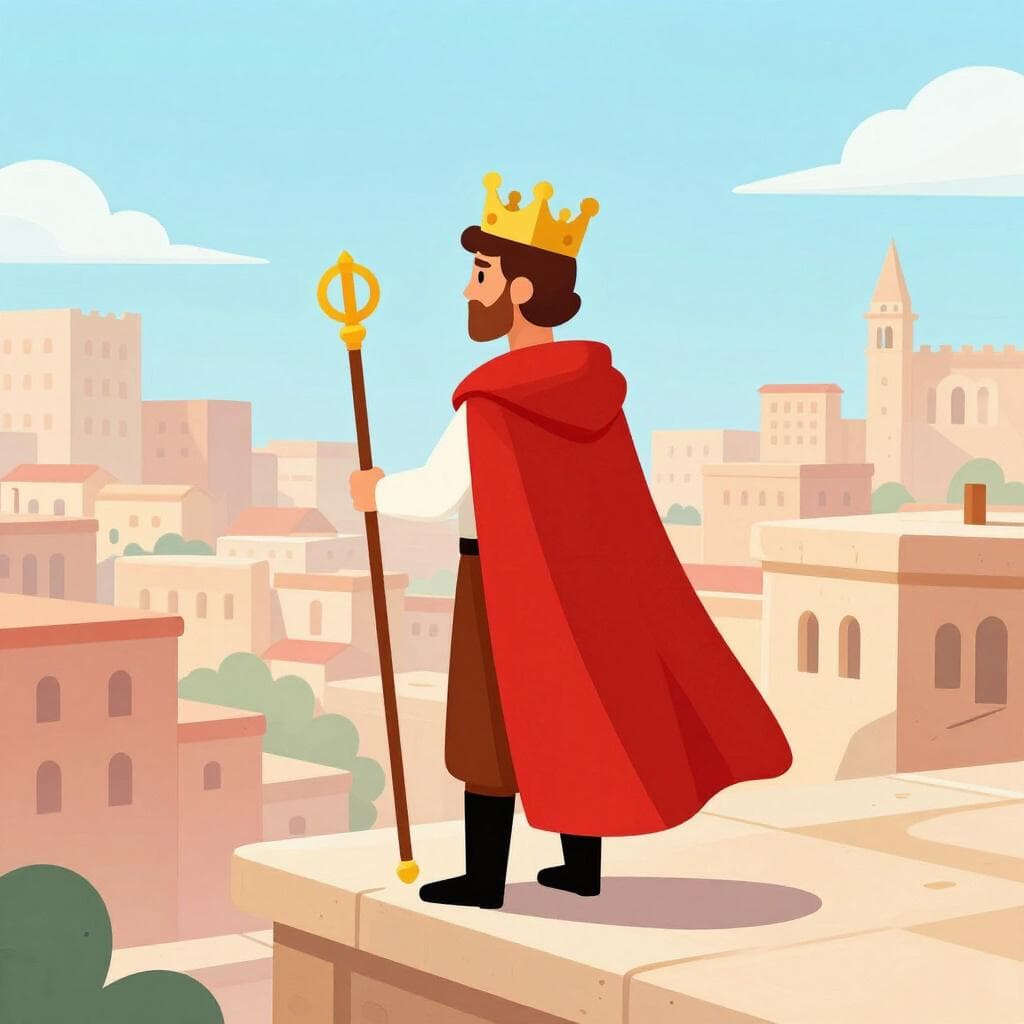
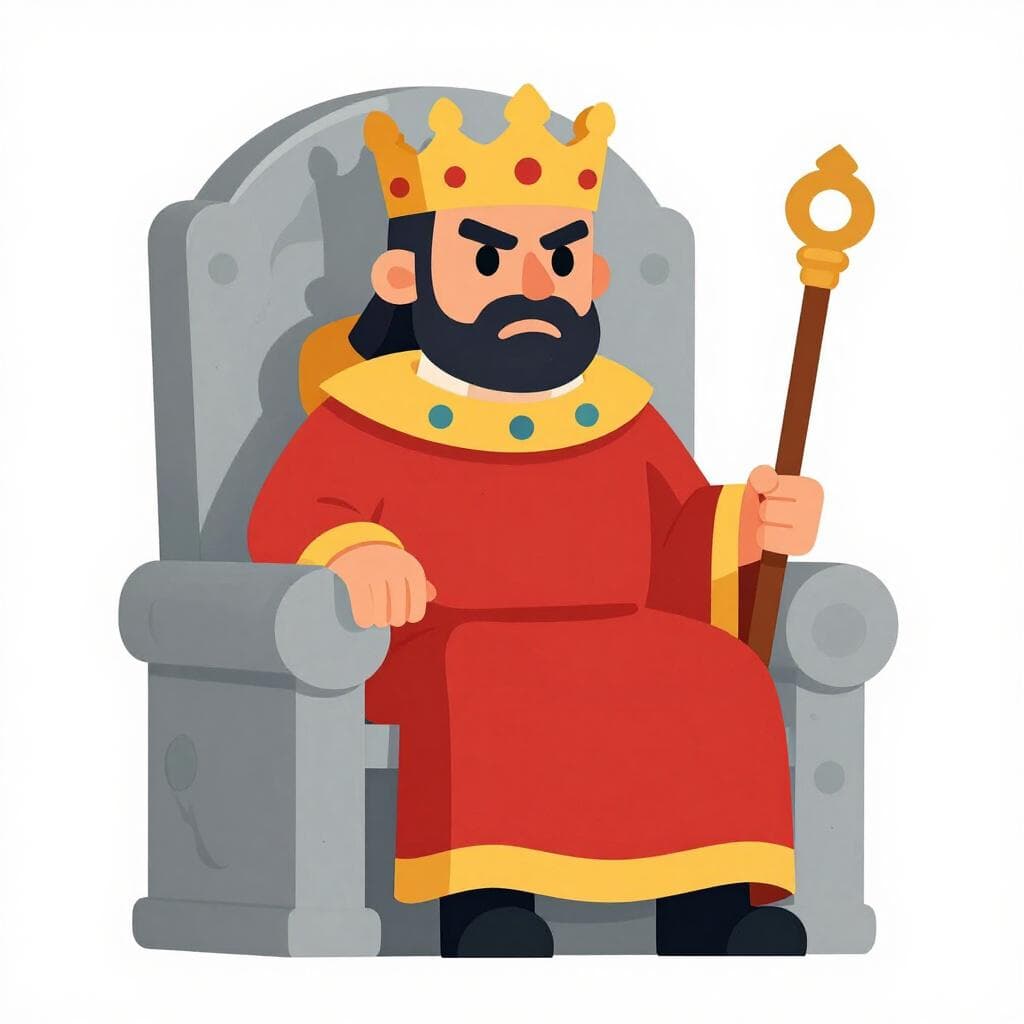
dictador
deek-tah-DOHRdik.taˈðoɾ

Examples
El dictador gobernó el país con mano de hierro durante décadas.
The dictator ruled the country with an iron fist for decades.
El dictador tomó el poder por la fuerza.
The dictator took power by force.
Muchos ciudadanos protestaron contra el dictador.
Many citizens protested against the dictator.
La historia recuerda a ese hombre como un dictador cruel.
History remembers that man as a cruel dictator.
Gender and Endings
This word ends in -dor, which is a common ending for masculine nouns that describe a person's role or job.
Making it Plural
To talk about more than one, simply add -es to the end: 'los dictadores'.
Gender Agreement
Mistake: “La dictador es cruel.”
Correction: El dictador es cruel (masculine) or La dictadora es cruel (feminine). Use the ending that matches the person's gender.
tirano
tee-RAH-nohtiˈɾano
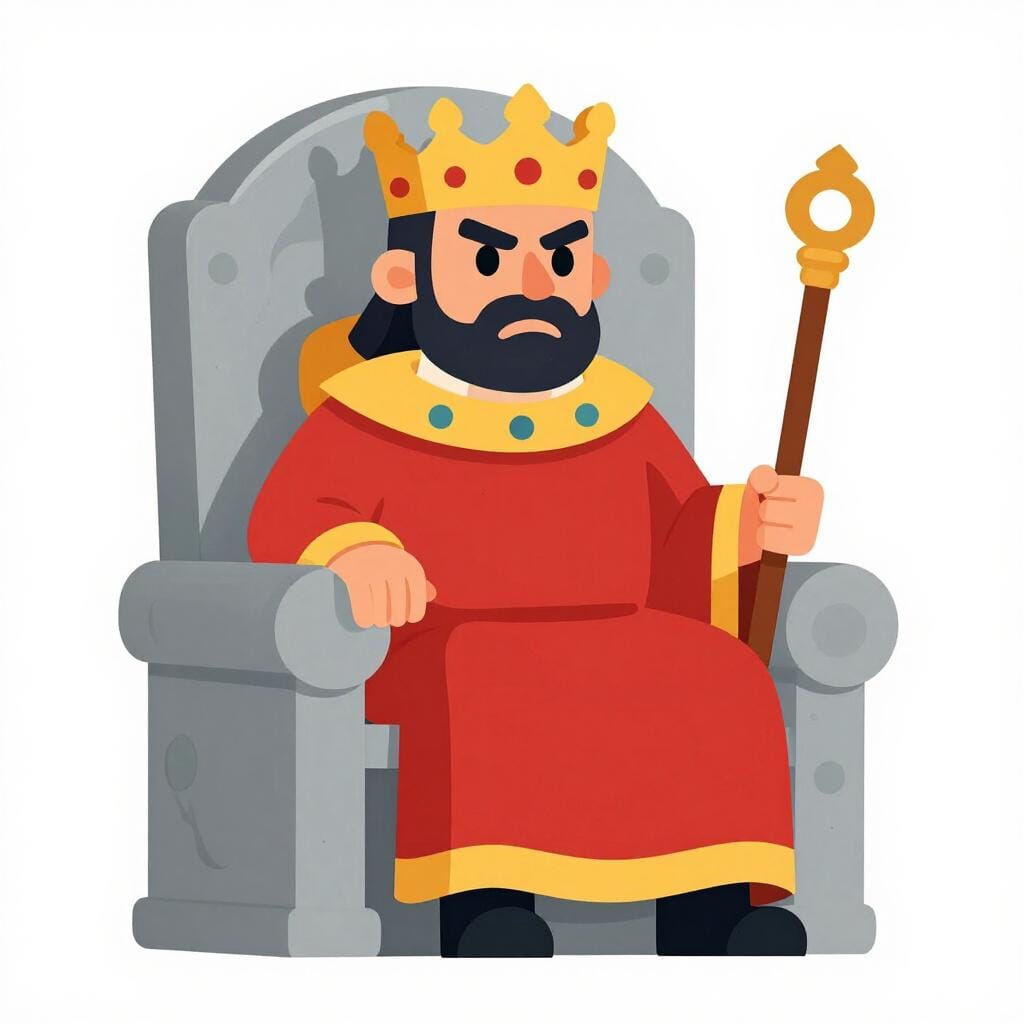
Examples
La rebelión popular buscaba liberar al pueblo del tirano y su régimen opresor.
The popular rebellion sought to free the people from the tyrant and his oppressive regime.
El pueblo se levantó para derrocar al tirano.
The people rose up to overthrow the tyrant.
La historia está llena de tiranos que abusaron de su poder.
History is full of tyrants who abused their power.
Nadie se atrevía a contradecir las órdenes del tirano.
No one dared to contradict the tyrant's orders.
Gender change
To talk about a female ruler who is cruel, simply change the 'o' to an 'a': 'la tirana'.
Spelling check
Mistake: “tyrano”
Correction: tirano (Spanish uses 'i' instead of the English 'y' in this word).
Dictador vs. Tirano
Related Translations
Learn Spanish with Inklingo
Interactive stories, personalized learning, and more.