How to Say "untamed" in Spanish
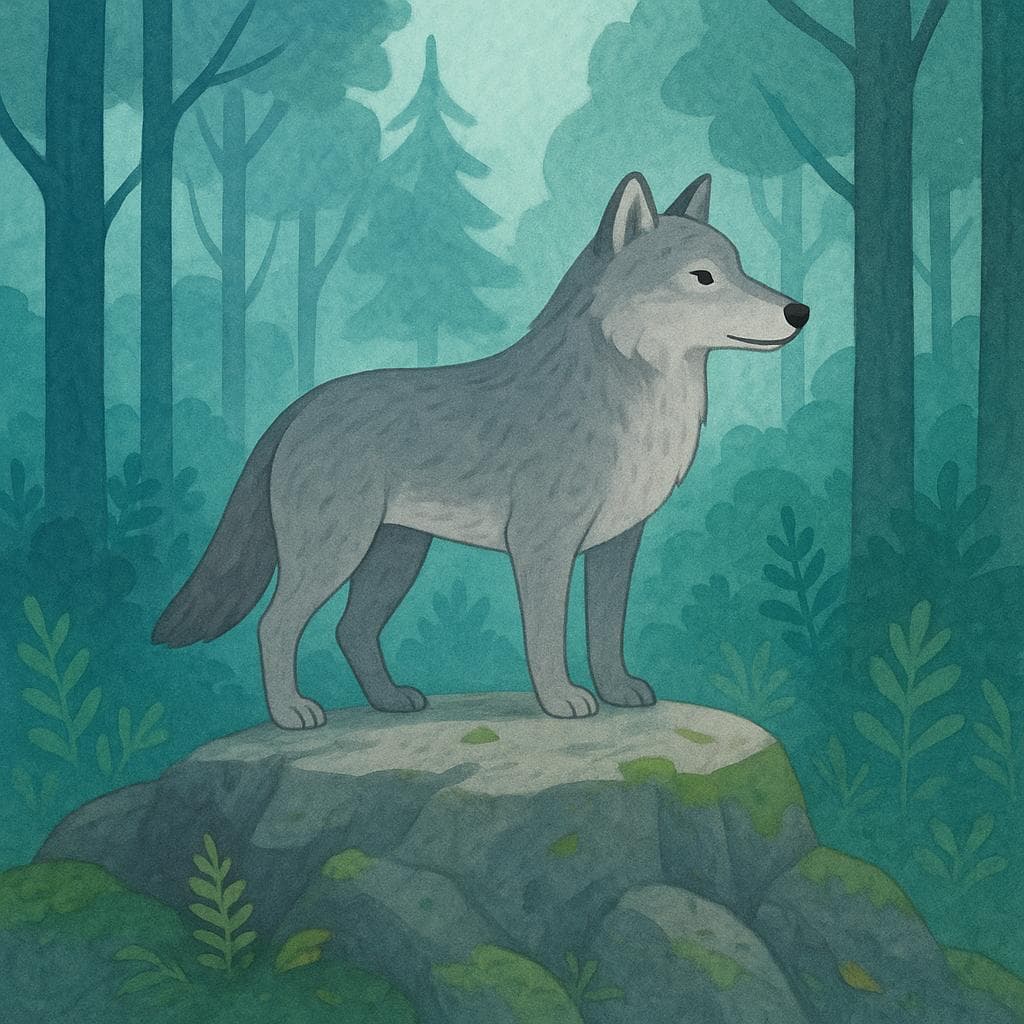
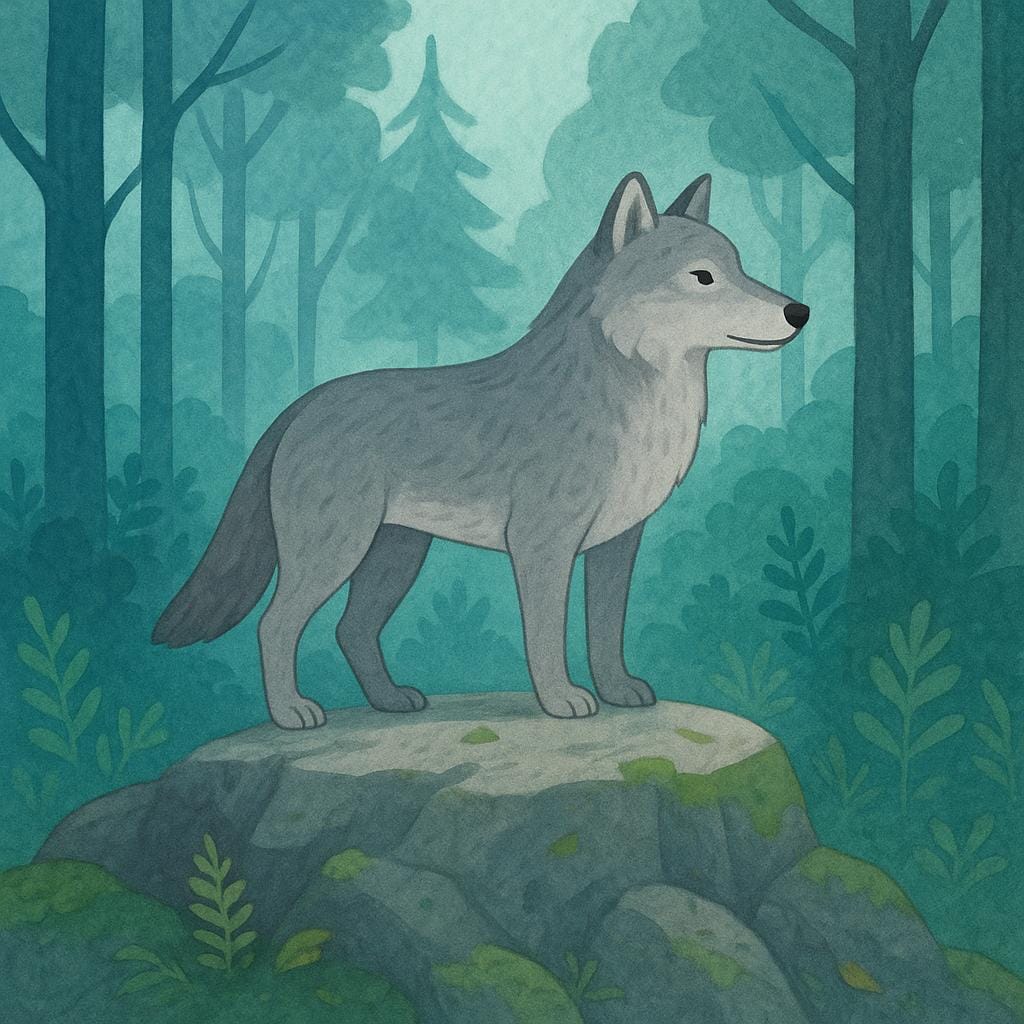
The most common Spanish word for “untamed” is “salvaje” — use 'salvaje' when referring to an animal or plant that is not domesticated and lives in its natural environment.
salvaje
sal-VA-hesalˈβaxe
Examples
Vimos un oso salvaje en la montaña.
We saw a wild bear in the mountain.
La costa es muy salvaje y no hay edificios.
The coast is very wild (natural) and there are no buildings.
Los caballos salvajes corren libres por la pradera.
The wild horses run free across the prairie.
Always the Same Form
Unlike many Spanish adjectives, 'salvaje' doesn't change its ending for masculine or feminine nouns. It is 'el animal salvaje' and 'la vida salvaje'.
bravo
BRAH-vohˈbɾaβo
Examples
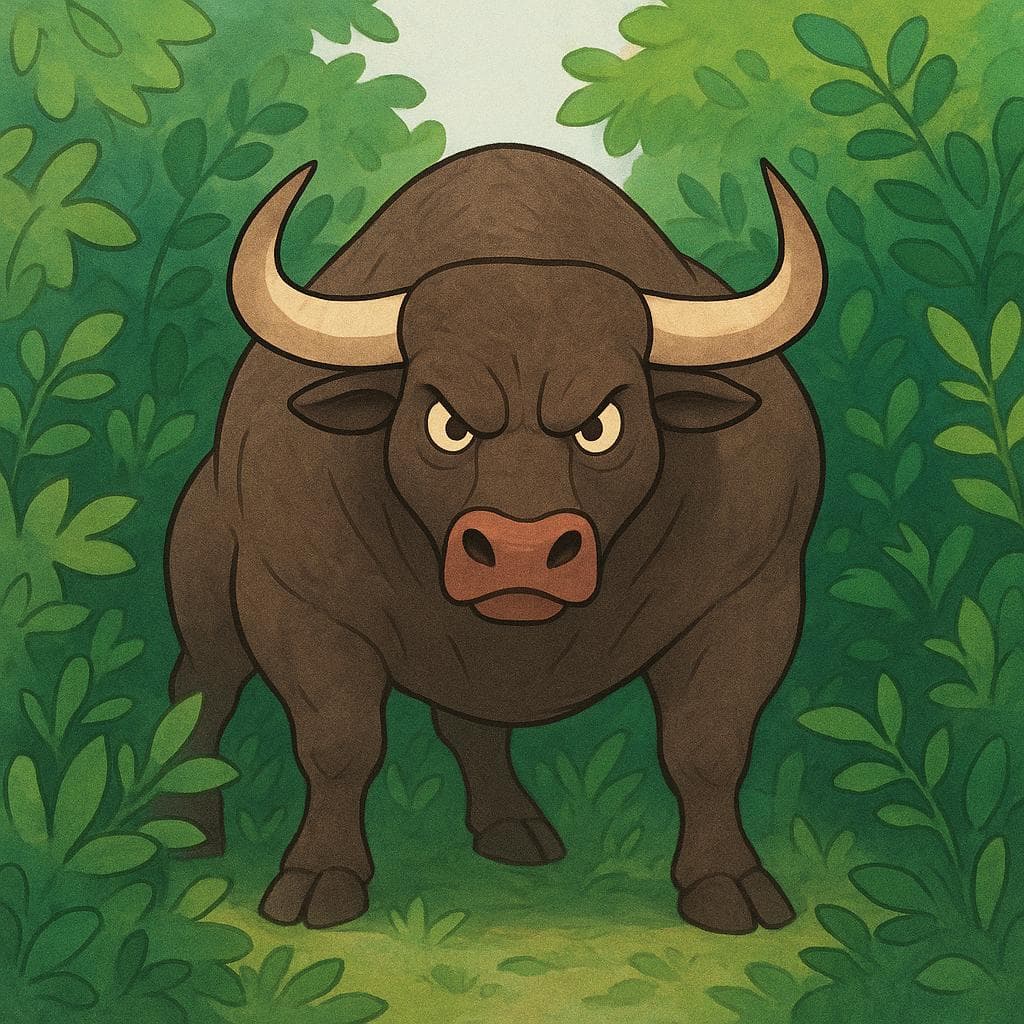
Tuvimos que cruzar el río bravo, lleno de rocas y mucha corriente.
We had to cross the wild river, full of rocks and a strong current.
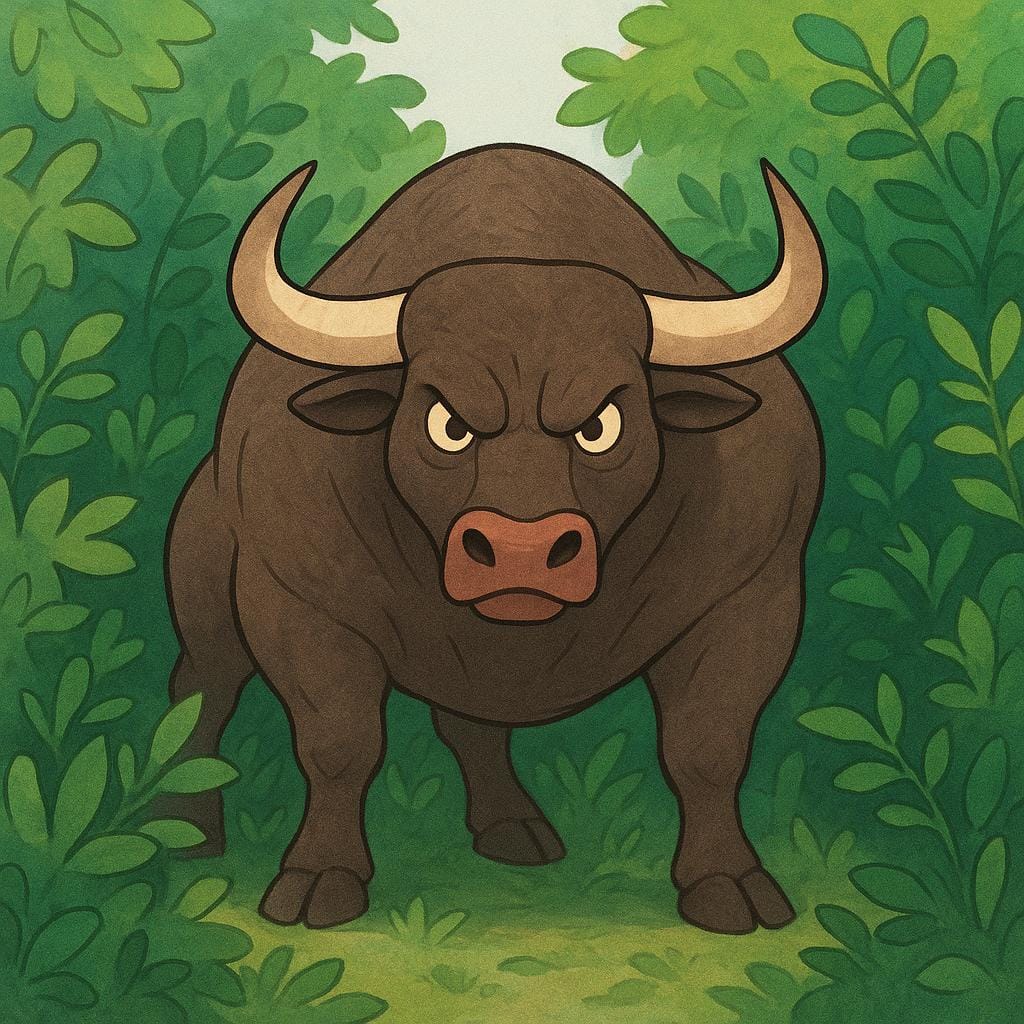
Cuidado con ese perro, es muy bravo y muerde.
Be careful with that dog, it is very fierce/aggressive and bites.
Describing Nature
When describing natural elements like oceans or rivers, 'bravo' emphasizes danger, roughness, or untamed power.
Salvaje vs. Bravo
Learn Spanish with Inklingo
Interactive stories, personalized learning, and more.