How to Say "feral" in Spanish
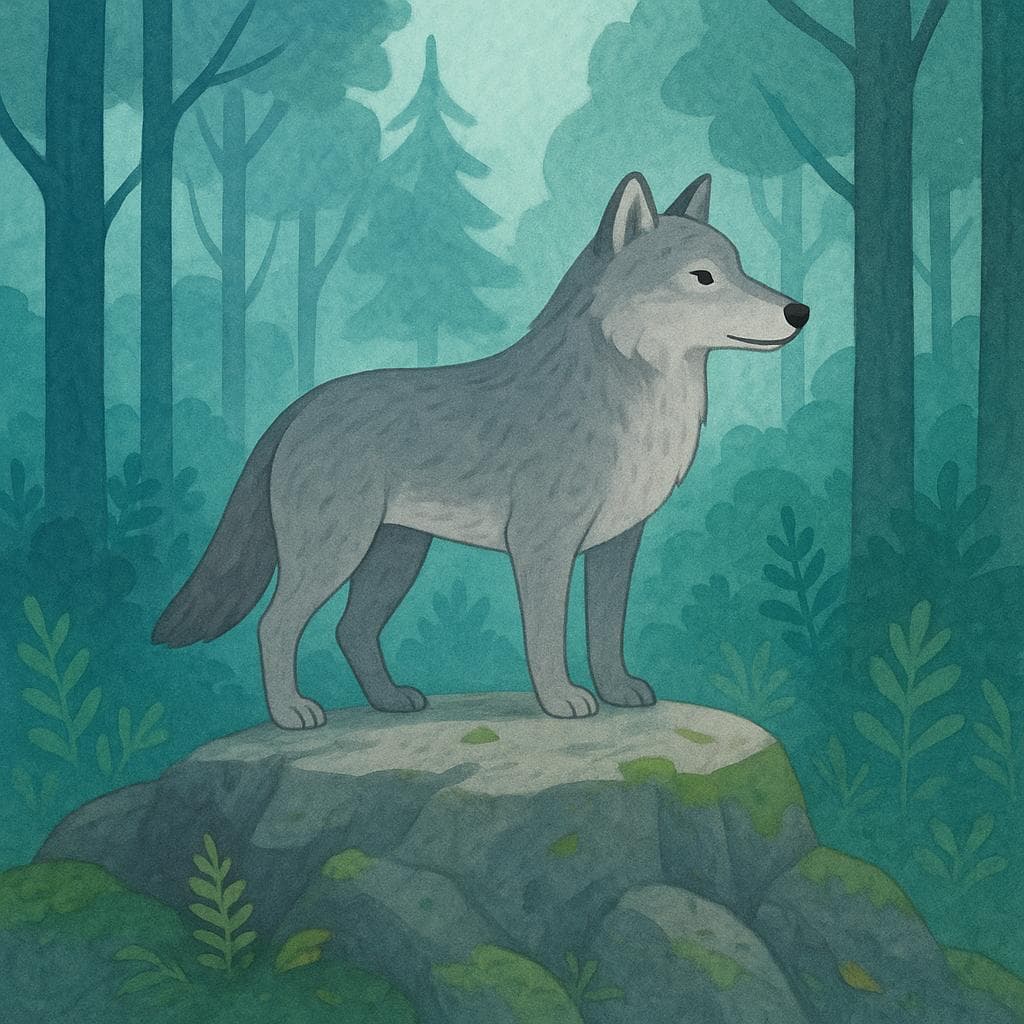
The most common Spanish word for “feral” is “salvaje” — use 'salvaje' for animals that have reverted to a wild state, especially if they were previously domesticated, or for any animal living in its natural, untamed environment.

salvaje
sal-VA-hesalˈβaxe
Examples
El perro salvaje merodeaba cerca del pueblo.
The feral dog roamed near the village.
Vimos un oso salvaje en la montaña.
We saw a wild bear in the mountain.
La costa es muy salvaje y no hay edificios.
The coast is very wild (natural) and there are no buildings.
Los caballos salvajes corren libres por la pradera.
The wild horses run free across the prairie.
Always the Same Form
Unlike many Spanish adjectives, 'salvaje' doesn't change its ending for masculine or feminine nouns. It is 'el animal salvaje' and 'la vida salvaje'.
silvestre
seel-BESS-trehsilˈbestɾe
Examples
Los zorros silvestres son difíciles de ver en esta zona.
Wild foxes are difficult to see in this area.
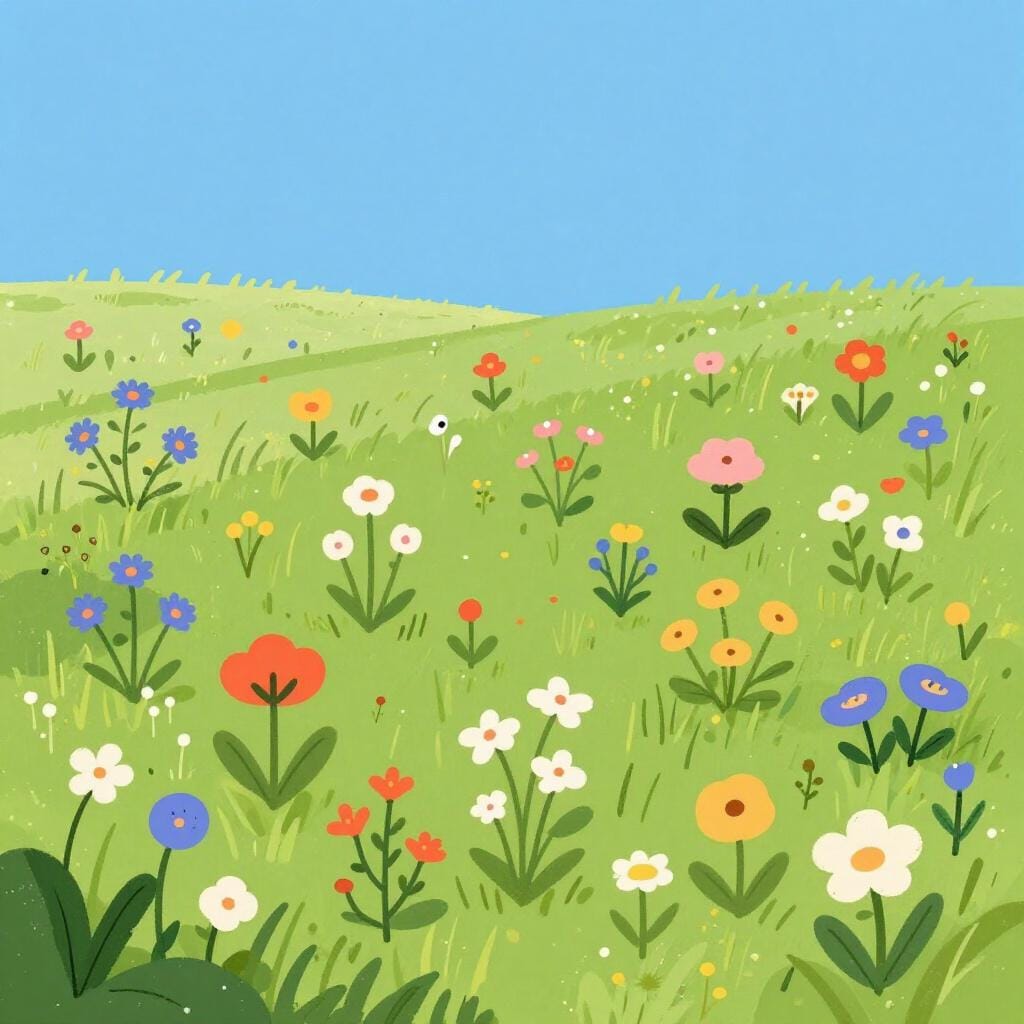
Me encanta recoger flores silvestres en primavera.
I love picking wildflowers in the spring.
Las fresas silvestres son mucho más pequeñas que las del supermercado.
Wild strawberries are much smaller than the ones from the supermarket.
En esta zona viven muchos gatos silvestres.
Many feral cats live in this area.
One form for both genders
This word doesn't change its ending for masculine or feminine nouns. You can say 'un árbol silvestre' or 'una planta silvestre'.
Plural form
To make it plural, just add '-es' to the end: 'bosques silvestres'.
Avoid 'silvestra'
Mistake: “La flor silvestra.”
Correction: La flor silvestre. (Adjectives ending in 'e' usually stay the same for both genders).
Salvaje vs. Silvestre
Learn Spanish with Inklingo
Interactive stories, personalized learning, and more.