silvestre
“silvestre” means “wild” in Spanish (growing in nature without human help).
wild
Also: natural, feral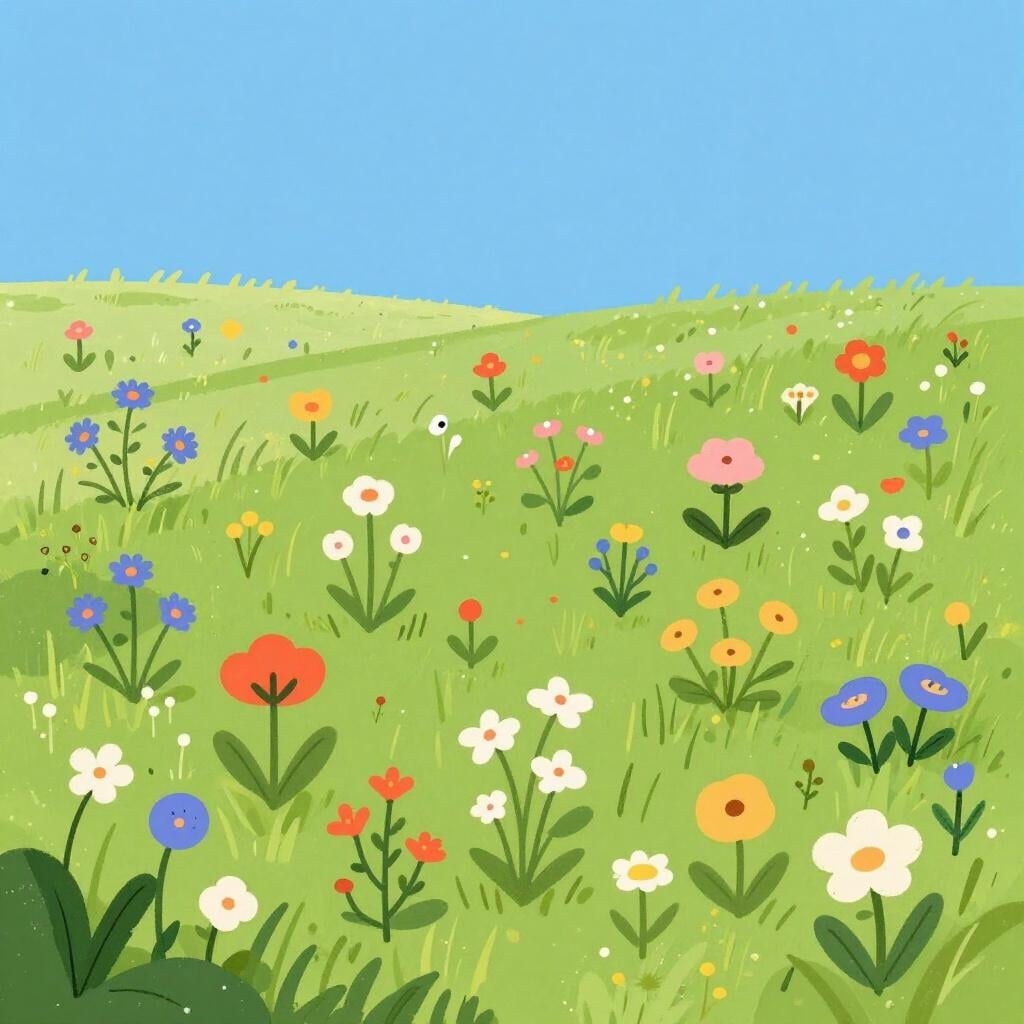
📝 In Action
Me encanta recoger flores silvestres en primavera.
A2I love picking wildflowers in the spring.
Las fresas silvestres son mucho más pequeñas que las del supermercado.
B1Wild strawberries are much smaller than the ones from the supermarket.
En esta zona viven muchos gatos silvestres.
B2Many feral cats live in this area.
✏️ Quick Practice
Quick Quiz: silvestre
Question 1 of 3
Which of these would you most likely describe as 'silvestre'?
📚 More Resources
👥 Word Family▼
🎵 Rhymes▼
📚 Etymology▼
From the Latin 'silvestris', which comes from 'silva' (meaning forest or woods). It literally describes things that belong to the woods.
First recorded: 13th century
Cognates (Related words)
💡 Master Spanish
Take your Spanish to the next level. Read 200+ illustrated and narrated Spanish stories tailored to your level with the Inklingo app!
Frequently Asked Questions
Can I use 'silvestre' to describe a person?
Rarely. If you do, it suggests they are unrefined or 'rustic,' but it's much more common to use it for plants and animals.
What is the difference between 'silvestre' and 'natural'?
'Natural' is a broad term for anything not man-made, while 'silvestre' specifically implies it is growing or living 'wild' in its environment.
Does 'silvestre' mean 'forest'?
No, 'selva' or 'bosque' means forest. 'Silvestre' is the word used to describe the things that live inside it.