How to Say "wild" in Spanish
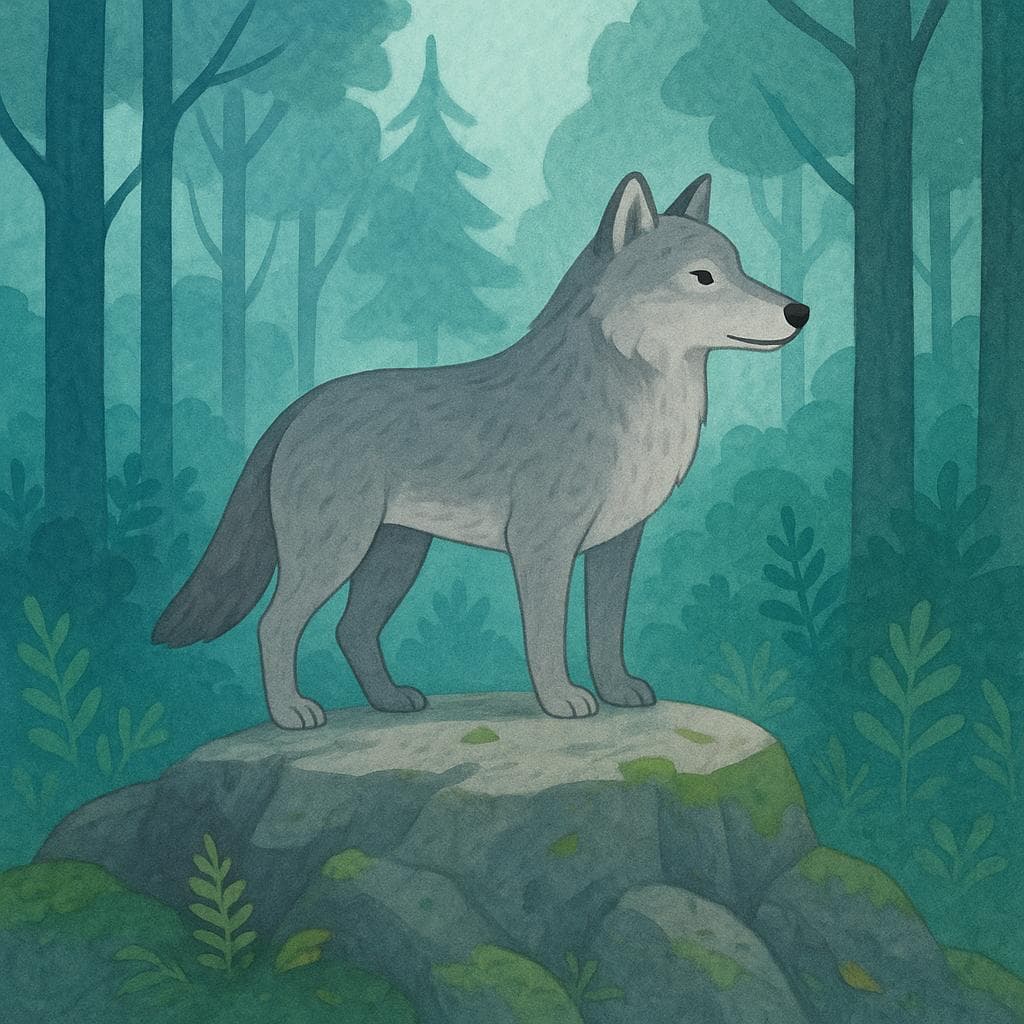
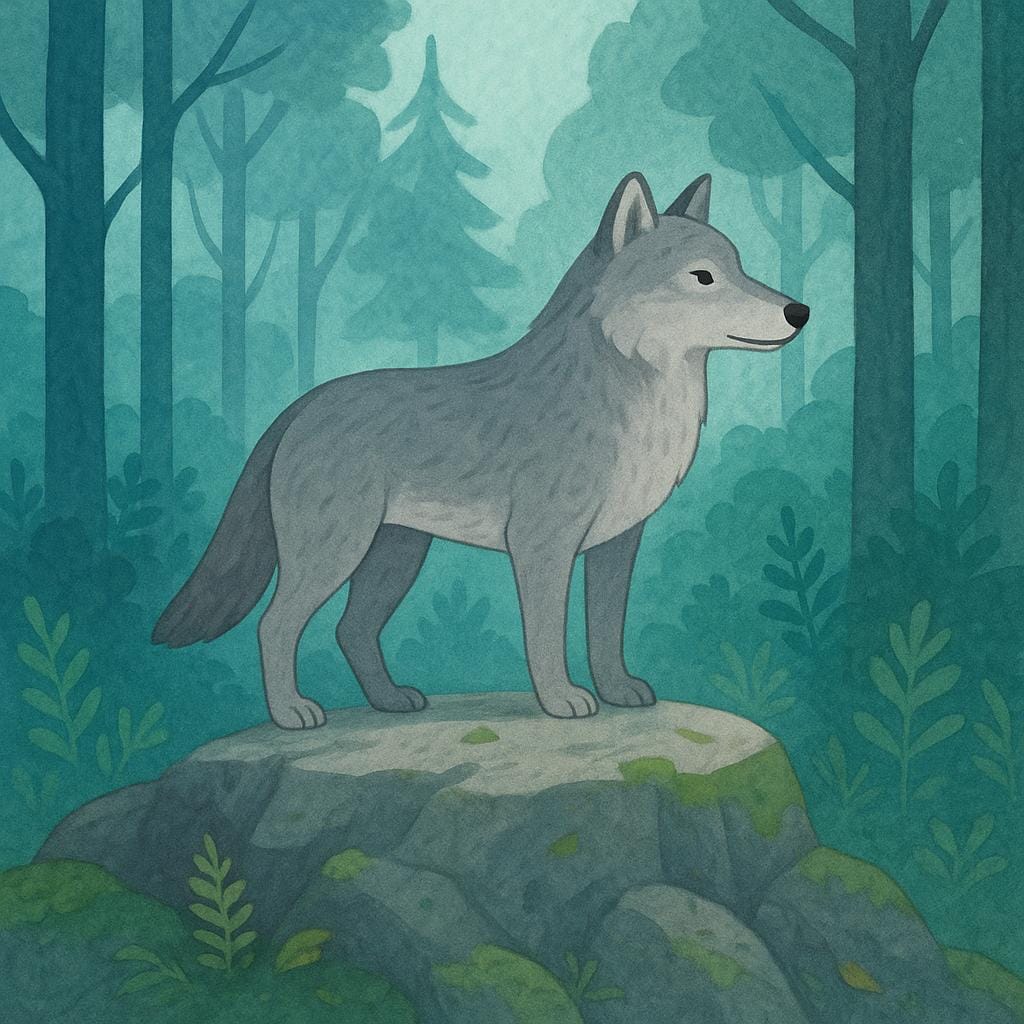
The most common Spanish word for “wild” is “salvaje” — use 'salvaje' for animals, plants, or natural environments that are untamed and not domesticated or cultivated.






salvaje
sal-VA-hesalˈβaxe
Examples
Vimos un oso salvaje en la montaña.
We saw a wild bear in the mountain.
La costa es muy salvaje y no hay edificios.
The coast is very wild (natural) and there are no buildings.
Los caballos salvajes corren libres por la pradera.
The wild horses run free across the prairie.
Always the Same Form
Unlike many Spanish adjectives, 'salvaje' doesn't change its ending for masculine or feminine nouns. It is 'el animal salvaje' and 'la vida salvaje'.
silvestre
seel-BESS-trehsilˈbestɾe
Examples
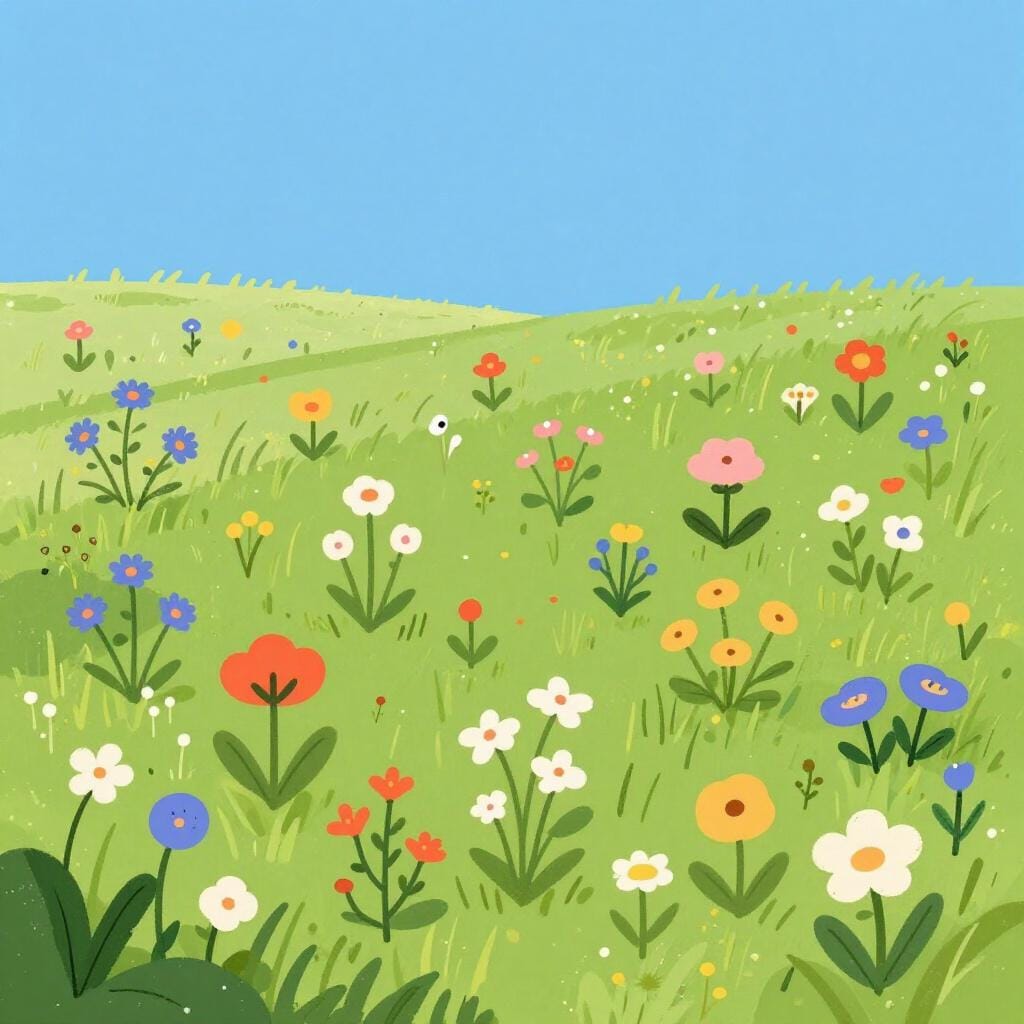
Me encanta recoger flores silvestres en primavera.
I love picking wildflowers in the spring.
Las fresas silvestres son mucho más pequeñas que las del supermercado.
Wild strawberries are much smaller than the ones from the supermarket.
En esta zona viven muchos gatos silvestres.
Many feral cats live in this area.
One form for both genders
This word doesn't change its ending for masculine or feminine nouns. You can say 'un árbol silvestre' or 'una planta silvestre'.
Plural form
To make it plural, just add '-es' to the end: 'bosques silvestres'.
Avoid 'silvestra'
Mistake: “La flor silvestra.”
Correction: La flor silvestre. (Adjectives ending in 'e' usually stay the same for both genders).
bravo
BRAH-vohˈbɾaβo

Examples
Tuvimos que cruzar el río bravo, lleno de rocas y mucha corriente.
We had to cross the wild river, full of rocks and a strong current.
Cuidado con ese perro, es muy bravo y muerde.
Be careful with that dog, it is very fierce/aggressive and bites.
Describing Nature
When describing natural elements like oceans or rivers, 'bravo' emphasizes danger, roughness, or untamed power.
loco
LOH-kohˈlo.ko

Examples
¡Qué fiesta tan loca!
What a wild party!
Estoy loco por el chocolate.
I'm crazy about chocolate.
Ella está loca por él desde que lo conoció.
She's been crazy about him since she met him.
¡La fiesta de anoche fue una cosa loca!
Last night's party was a wild thing!
delirio
deh-LEE-ryohdeˈliɾjo
Examples
¡Esa fiesta fue un delirio total!
That party was total madness!
Es un delirio pensar que podemos viajar mañana sin maletas.
It's nonsense to think we can travel tomorrow without suitcases.
Su amor por ese cantante es un auténtico delirio.
Her love for that singer is a real craze.
Using 'ser' with Delirio
When you want to say something is 'crazy' or 'nonsense', use 'Es un delirio'.
Too Heavy?
Mistake: “Esa película es un delirio (when you just mean it was slightly confusing).”
Correction: Use 'delirio' for something truly over-the-top or nonsensical. For small things, 'una tontería' is better.
enloquecido
en-lo-keh-SEE-dohenlo-ke-ˈθi-ðo

Examples
El hombre, enloquecido por el dolor, empezó a gritar.
The man, crazed by pain, began to scream.
La multitud enloquecida derribó las vallas del concierto.
The wild crowd tore down the concert fences.
Llevaba un ritmo de trabajo enloquecido.
He was keeping up a frantic work pace.
Matching the Noun
Since this is an adjective, the ending must change to match what you are describing: 'enloquecido' (man), 'enloquecida' (woman), 'enloquecidos' (men/mixed group), or 'enloquecidas' (women).
Use with 'Estar'
When describing someone's current state of being frantic or wild, use the verb 'estar' (to be) rather than 'ser'.
Confusing with 'Loco'
Mistake: “Using 'enloquecido' for a fun, silly situation.”
Correction: Use 'loco' for 'crazy' in a general sense. 'Enloquecido' implies a much more intense, frantic, or even tragic loss of control.
virgen
BEE-rhen'biɾxen

Examples
Exploramos una selva virgen donde nunca había estado nadie.
We explored a pristine jungle where no one had ever been.
El disco duro está virgen, no tiene archivos.
The hard drive is blank; it has no files.
Agreement
As an adjective, 'virgen' must match the noun it describes in number and gender: 'una playa virgen' (a pristine beach) or 'territorios vírgenes' (pristine territories).
escapado
es-kah-PAH-doheskaˈpaðo

Examples
¡Qué precio tan escapado tiene ese coche!
What an outrageous price that car has!
Ese chico es un poco escapado; siempre está haciendo bromas pesadas.
That kid is a bit wild/out of control; he's always playing nasty jokes.
La fiesta se puso muy escapada después de medianoche.
The party got really wild after midnight.
Figurative Use
In this sense, 'escapado' means something has gone 'beyond the limits' or 'broken free' from normal standards, often referring to prices, behavior, or noise.
Wild Animals vs. Wild Plants
Learn Spanish with Inklingo
Interactive stories, personalized learning, and more.