virgen
“virgen” means “pristine” in Spanish. It has 4 different meanings depending on context:


pristine, untouched
Also: wild, blank
📝 In Action
Exploramos una selva virgen donde nunca había estado nadie.
B1We explored a pristine jungle where no one had ever been.
El disco duro está virgen, no tiene archivos.
B2The hard drive is blank; it has no files.
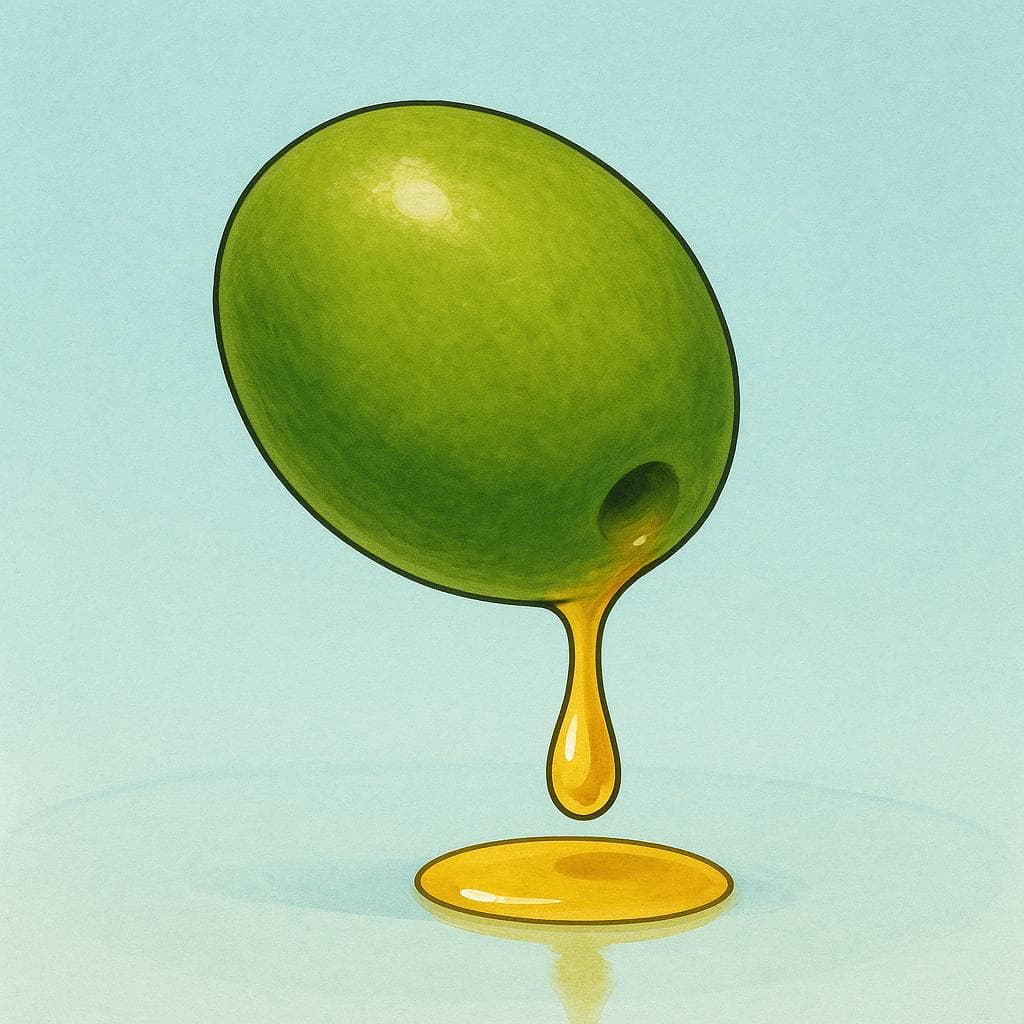
extra virgin, pure
Also: unrefined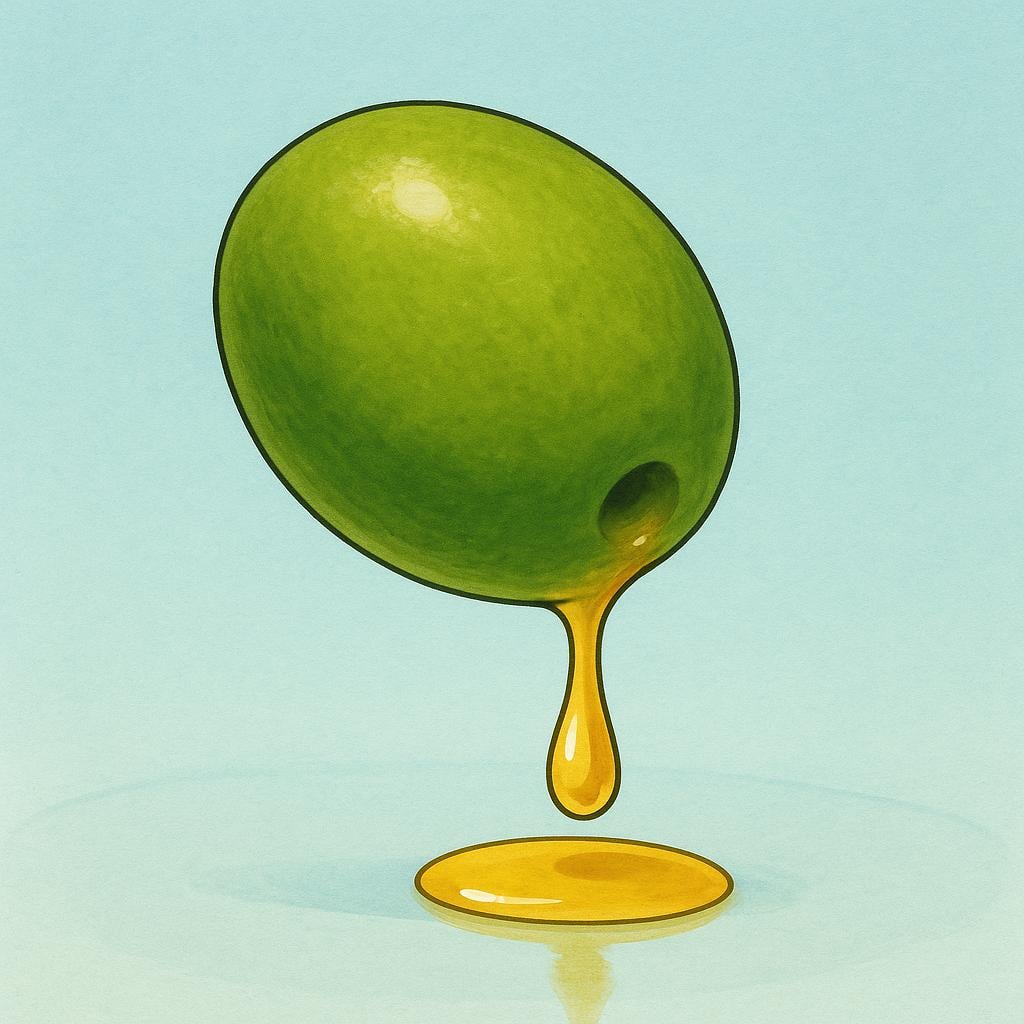
📝 In Action
El aceite de oliva virgen extra es el mejor para la salud.
B2Extra virgin olive oil is the best for health.
Esta lana virgen es de muy alta calidad.
C1This pure wool is very high quality.
the Virgin Mary
Also: statue of the Virgin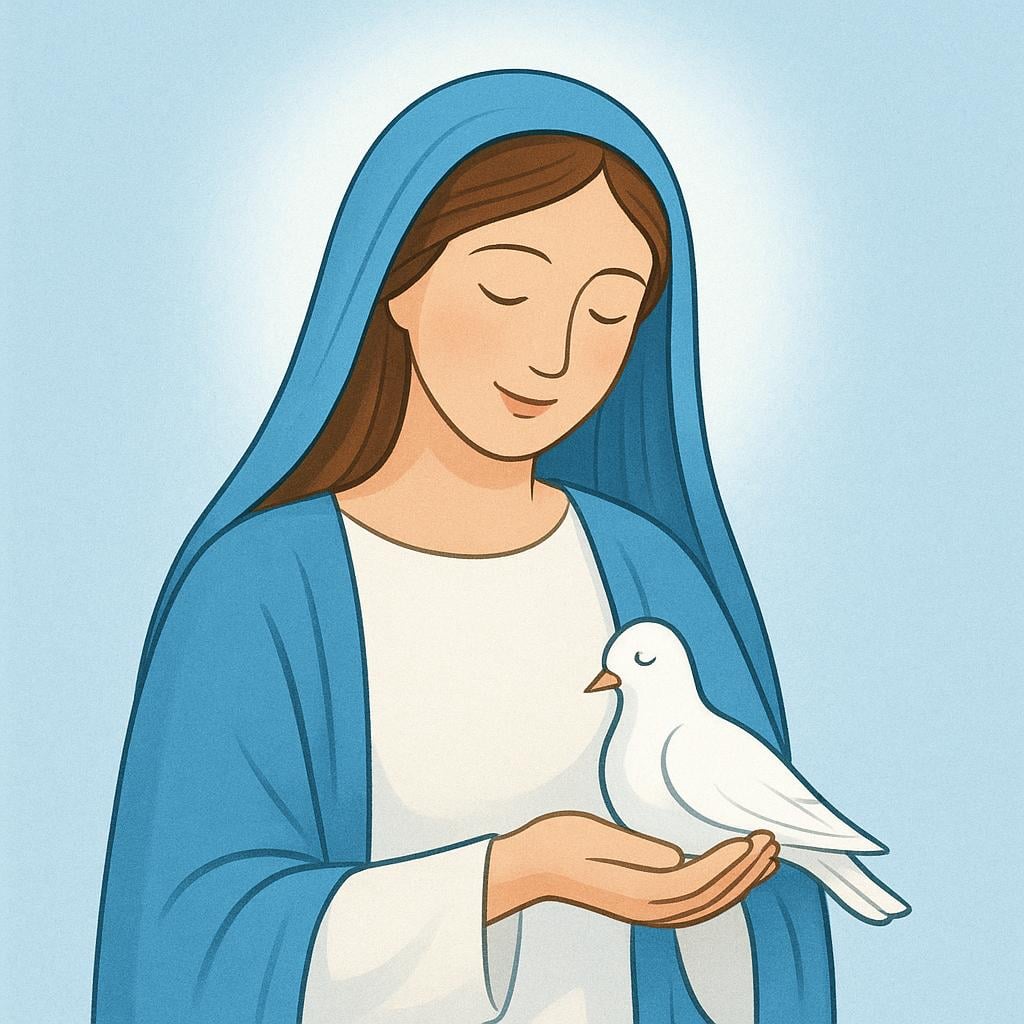
📝 In Action
Visitamos la iglesia para ver la estatua de la Virgen.
A2We visited the church to see the statue of the Virgin.
La Virgen de Fátima es venerada en Portugal.
B1The Virgin of Fátima is worshipped in Portugal.
virgin
Also: maiden
📝 In Action
Las vestales romanas eran vírgenes dedicadas al templo.
B2The Roman Vestals were virgins dedicated to the temple.
Se dice que la diosa era una virgen.
B1It is said that the goddess was a virgin.
Translate to Spanish
Words that translate to "virgen" in Spanish:
blank→extra virgin→maiden→pristine→pure→unrefined→untouched→virgin→✏️ Quick Practice
Quick Quiz: virgen
Question 1 of 2
Which sentence uses 'virgen' to describe something untouched by humans?
📚 More Resources
👥 Word Family▼
📚 Etymology▼
Comes directly from the Latin word 'virgo,' meaning 'maiden' or 'unmarried woman.' The original meaning focused heavily on purity and being untouched.
First recorded: Old Spanish (around 13th century)
Cognates (Related words)
💡 Master Spanish
Take your Spanish to the next level. Read 200+ illustrated and narrated Spanish stories tailored to your level with the Inklingo app!
Frequently Asked Questions
Does 'virgen' change based on gender?
No, the word 'virgen' itself does not change its spelling. It is used for both masculine and feminine nouns. However, the articles and other adjectives around it must change: 'el bosque virgen' (masculine) and 'la tierra virgen' (feminine).
How is 'Virgen' (capital V) different from 'virgen' (lowercase v)?
'Virgen' with a capital V almost always refers to the religious figure, the Virgin Mary. 'virgen' with a lowercase V is the adjective meaning untouched, pristine, or pure.