How to Say "awful" in Spanish
The most common Spanish word for “awful” is “horrible” — use this for general, strong negative descriptions of things like movies, experiences, or situations that you strongly dislike.
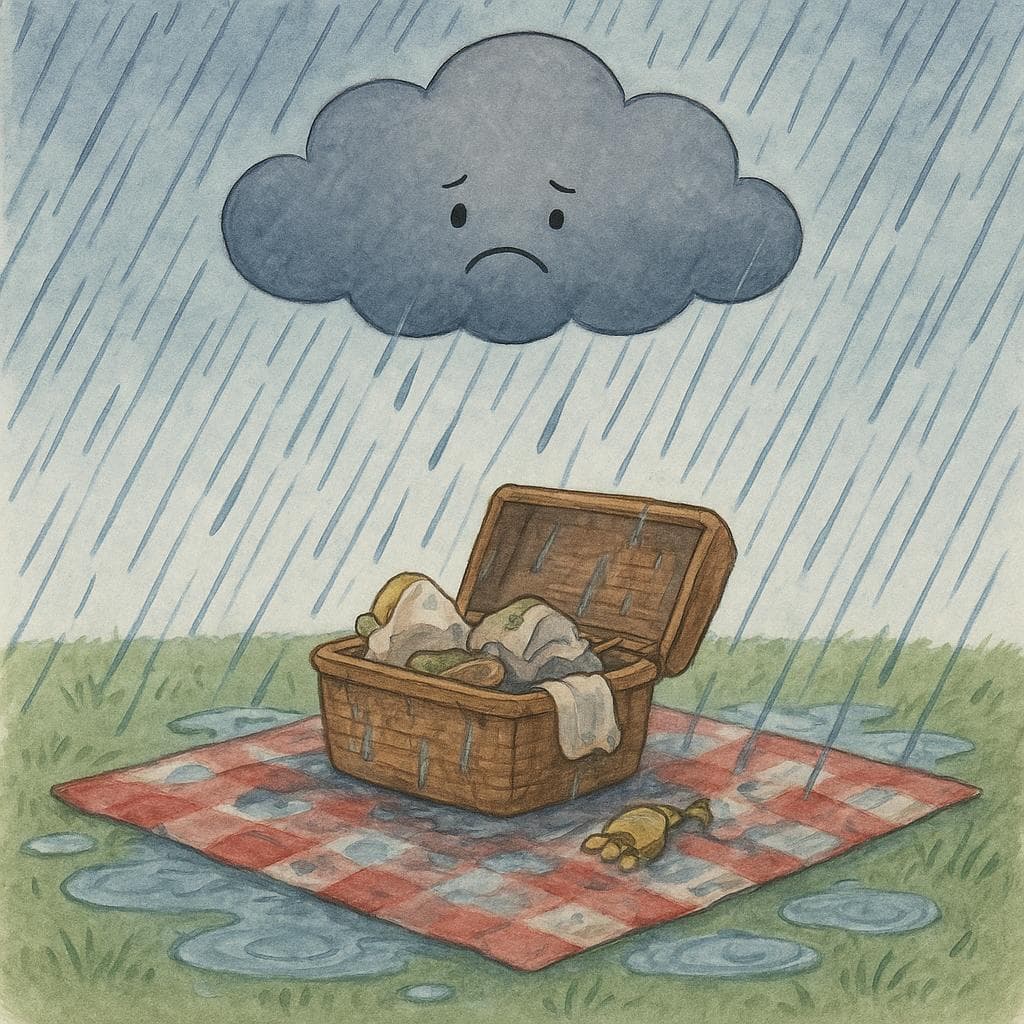
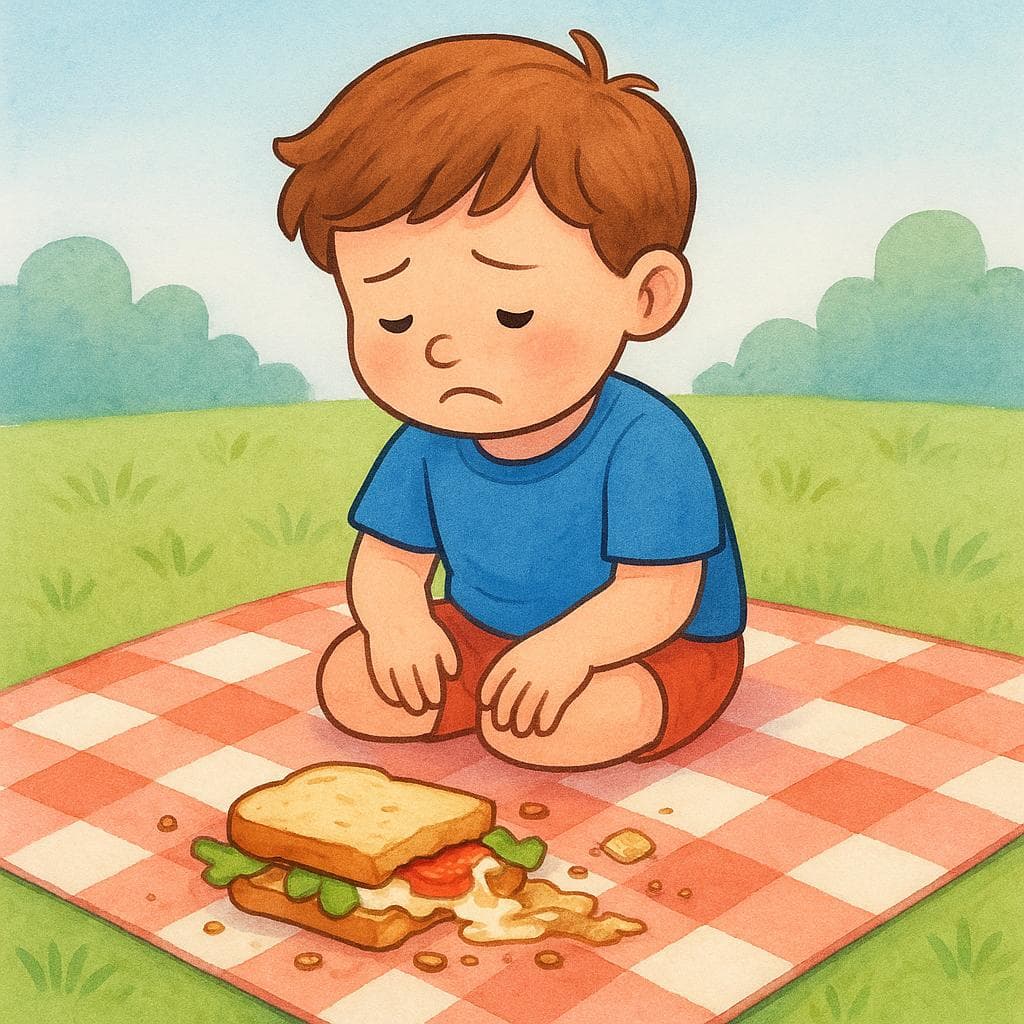
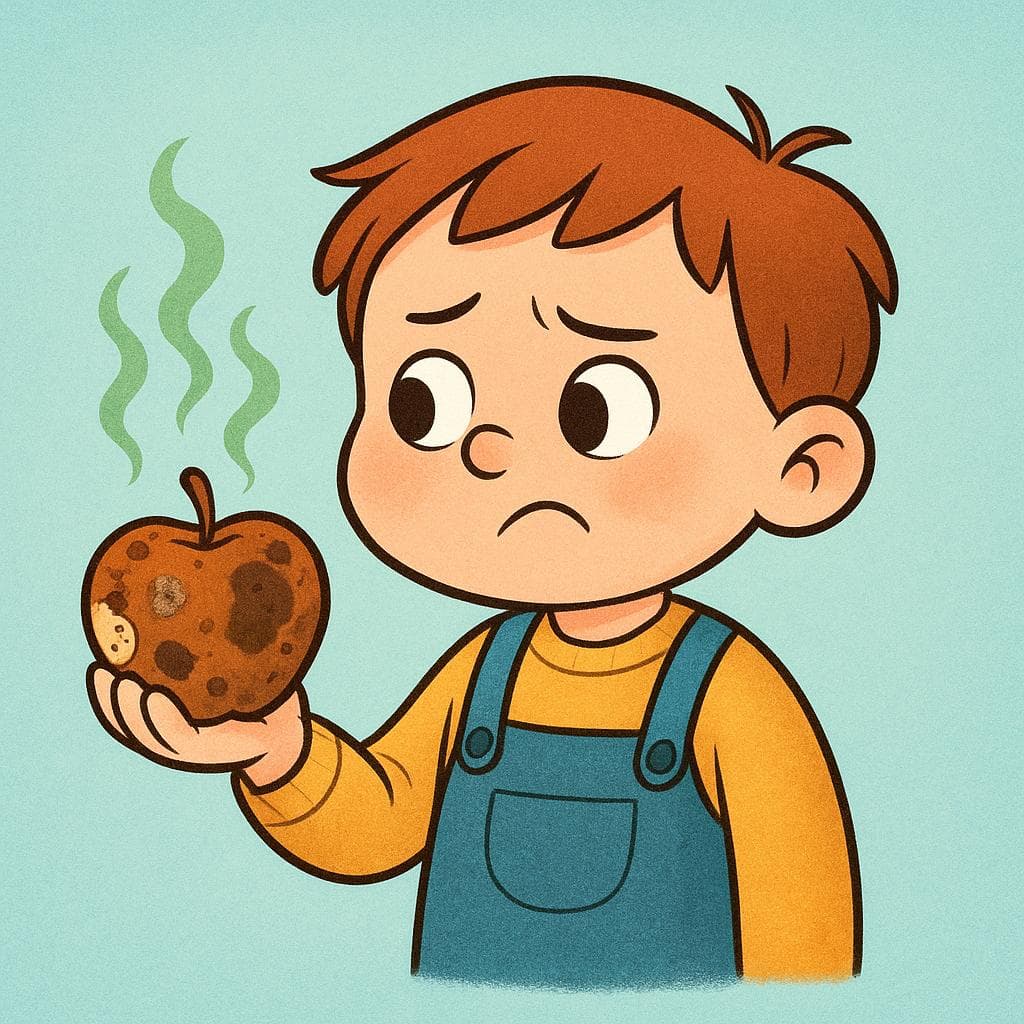
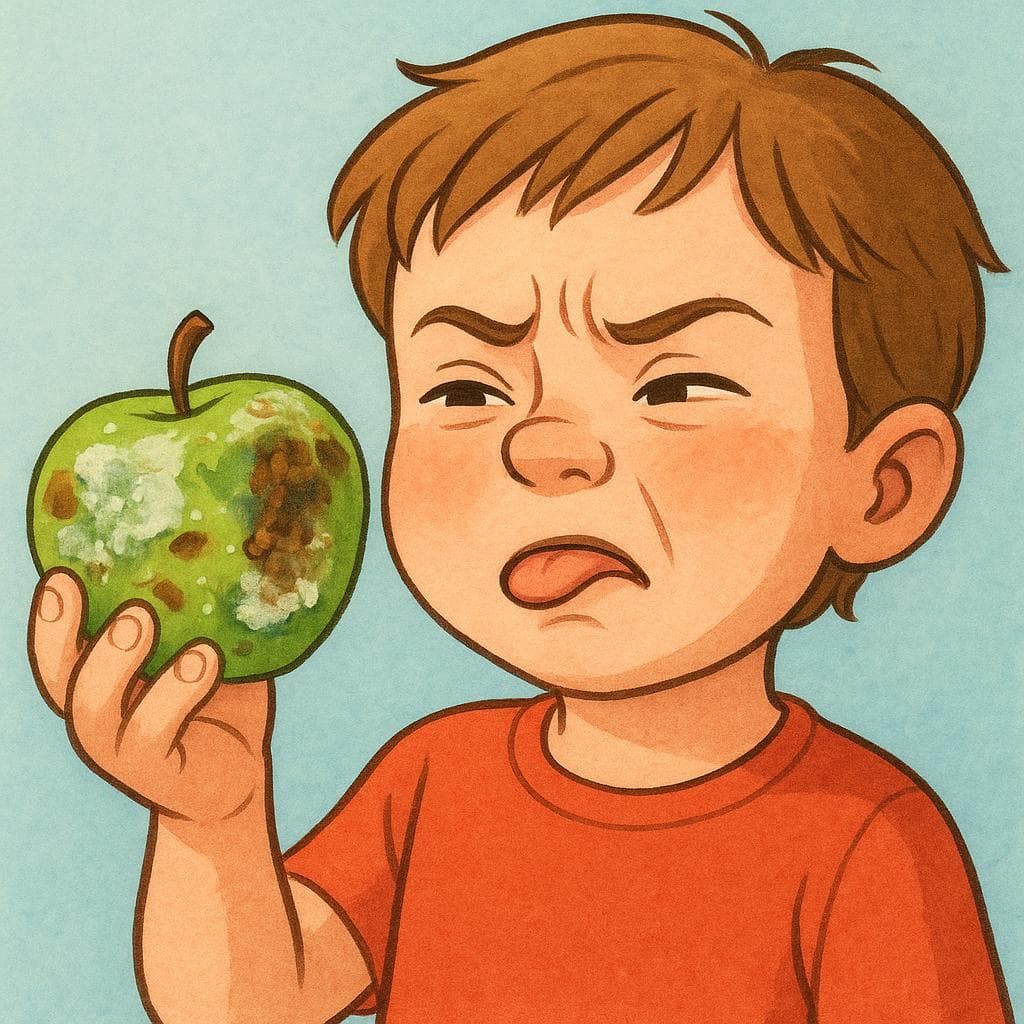
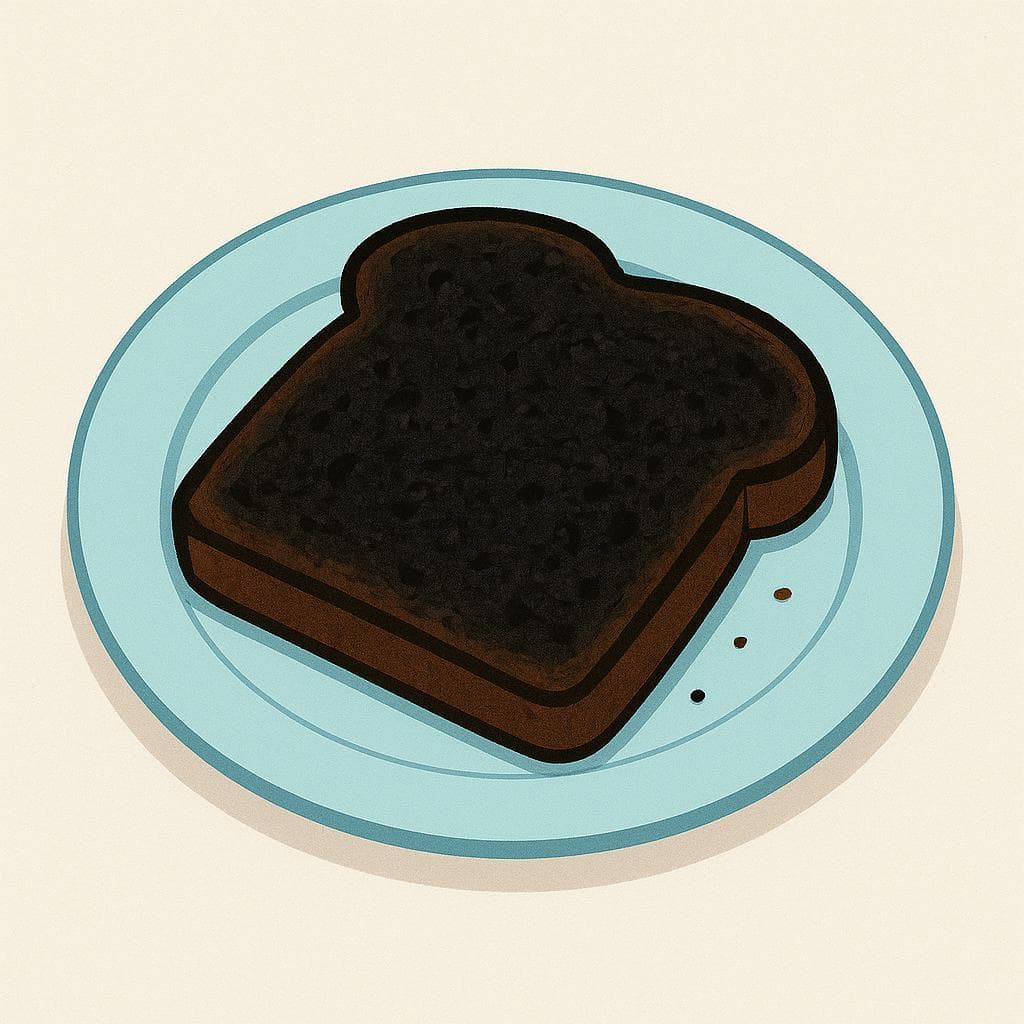
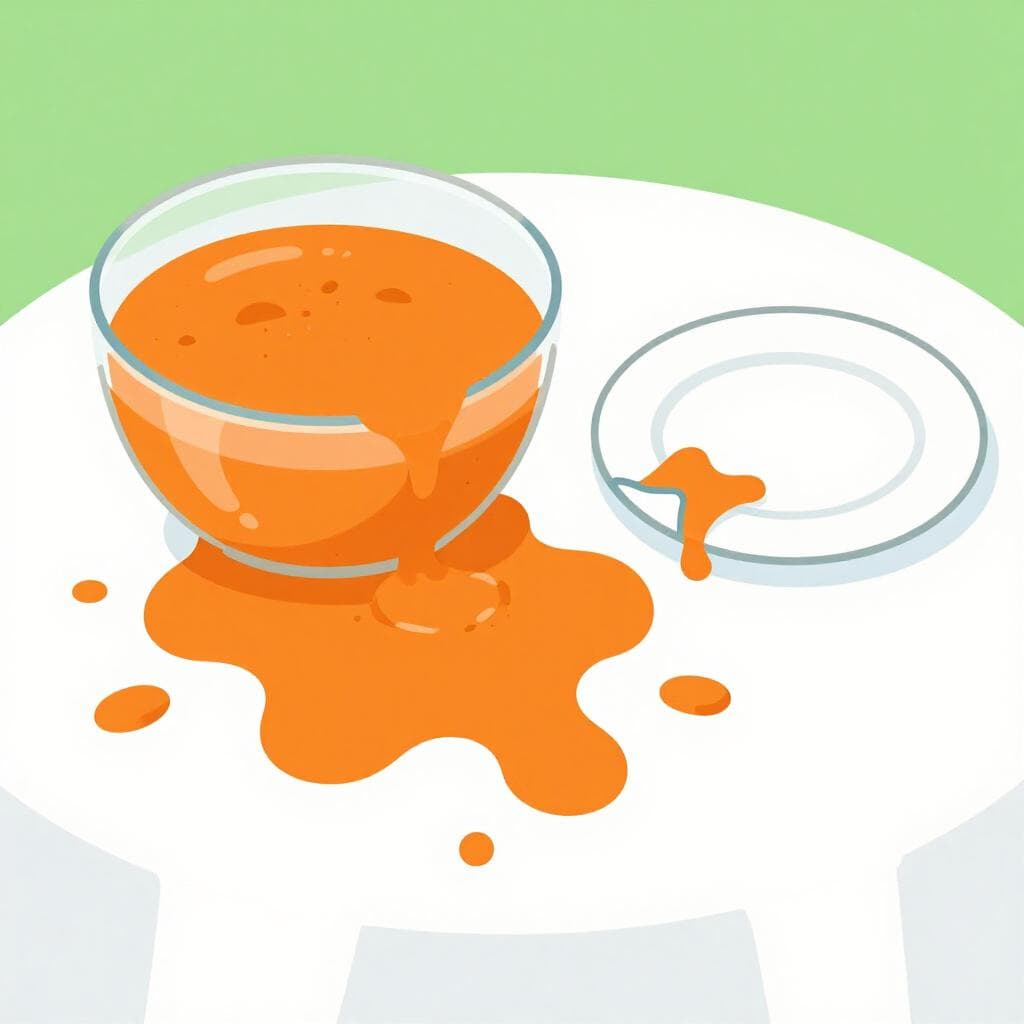
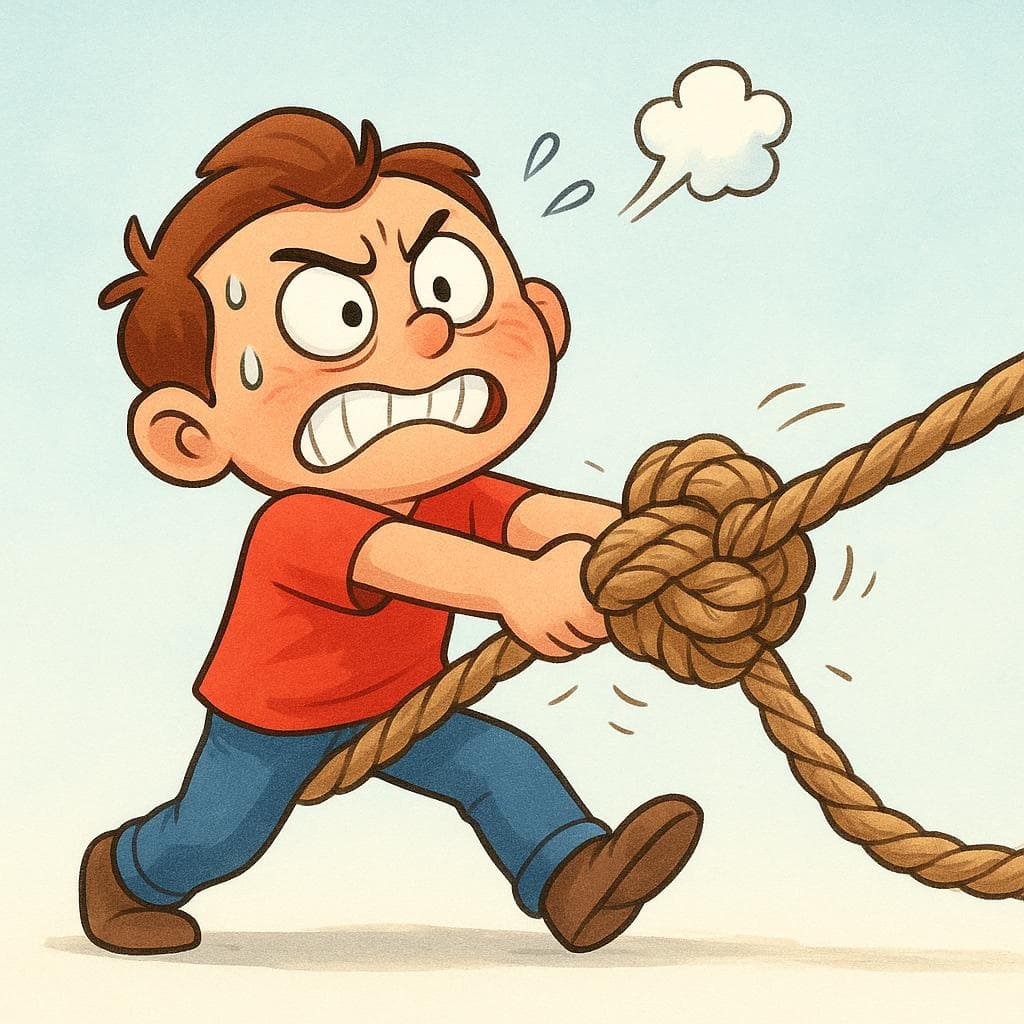
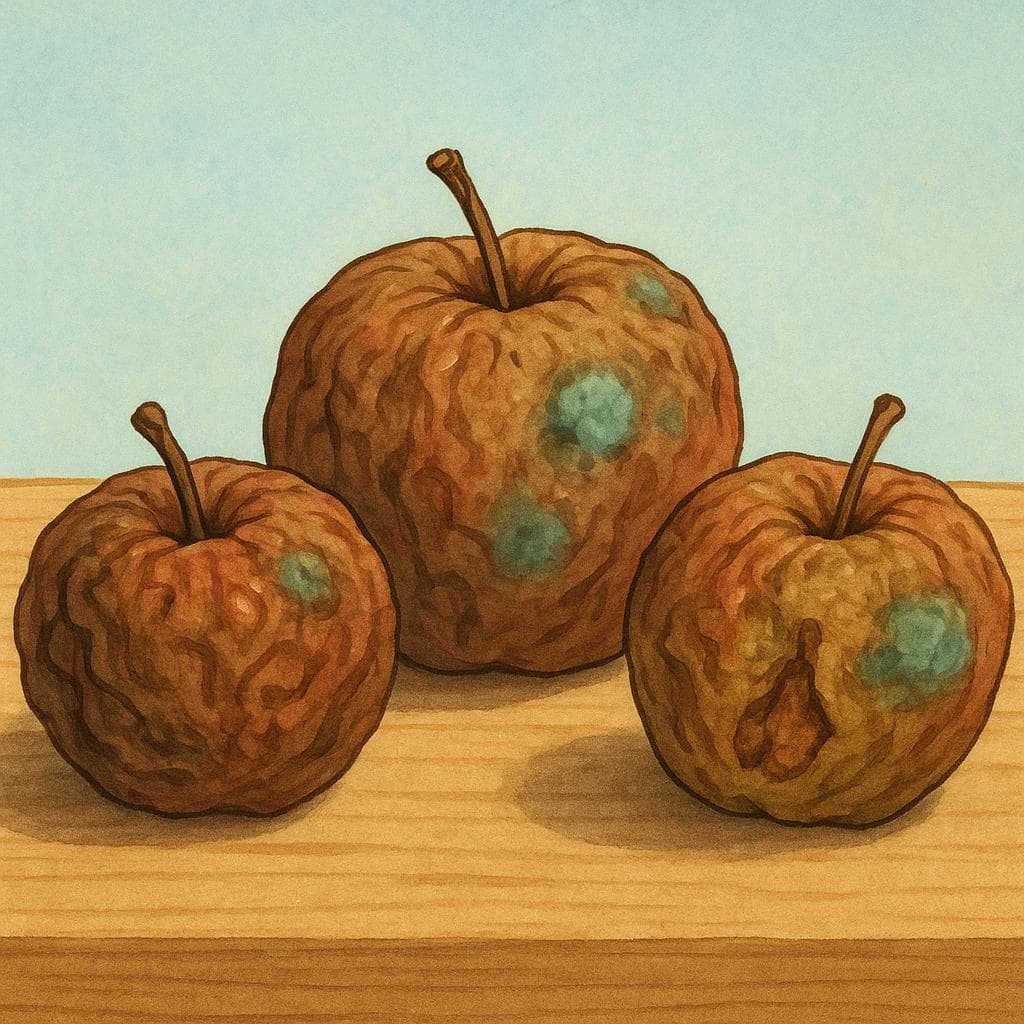


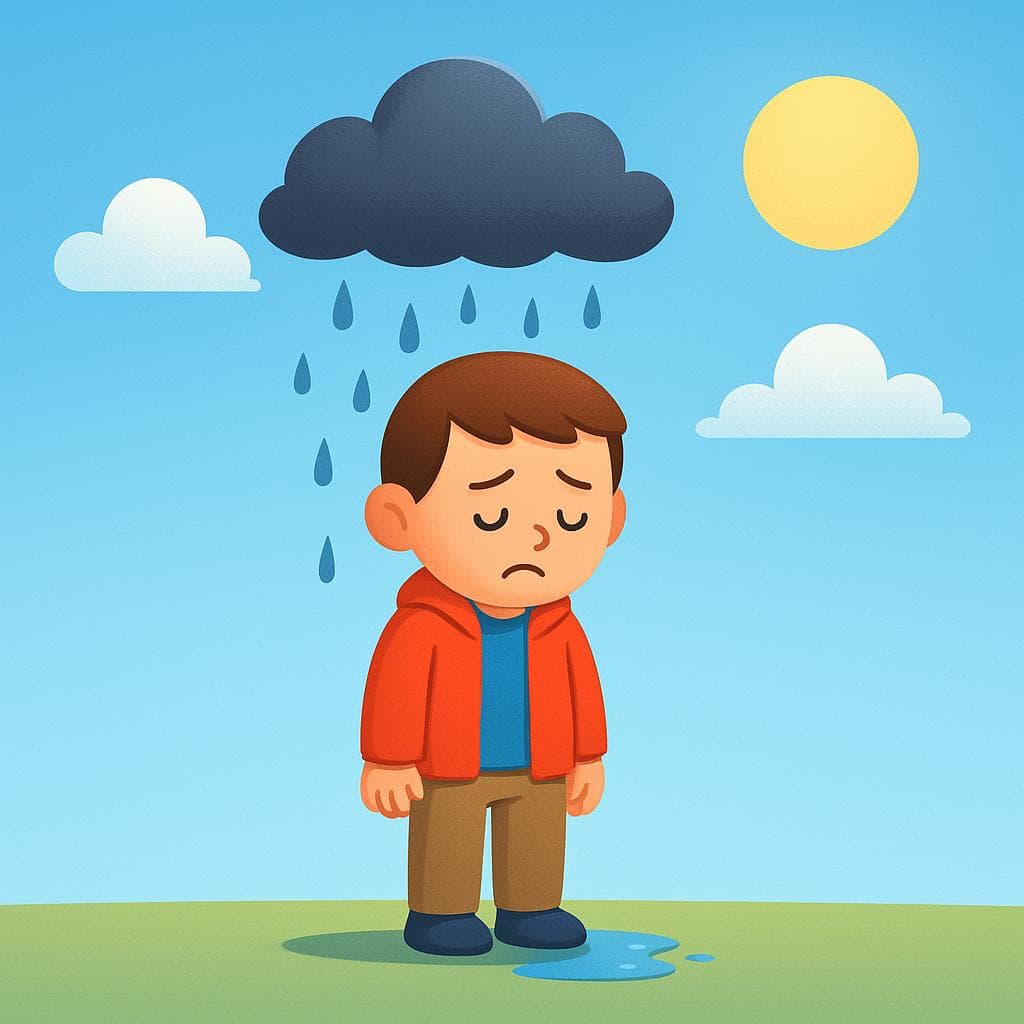
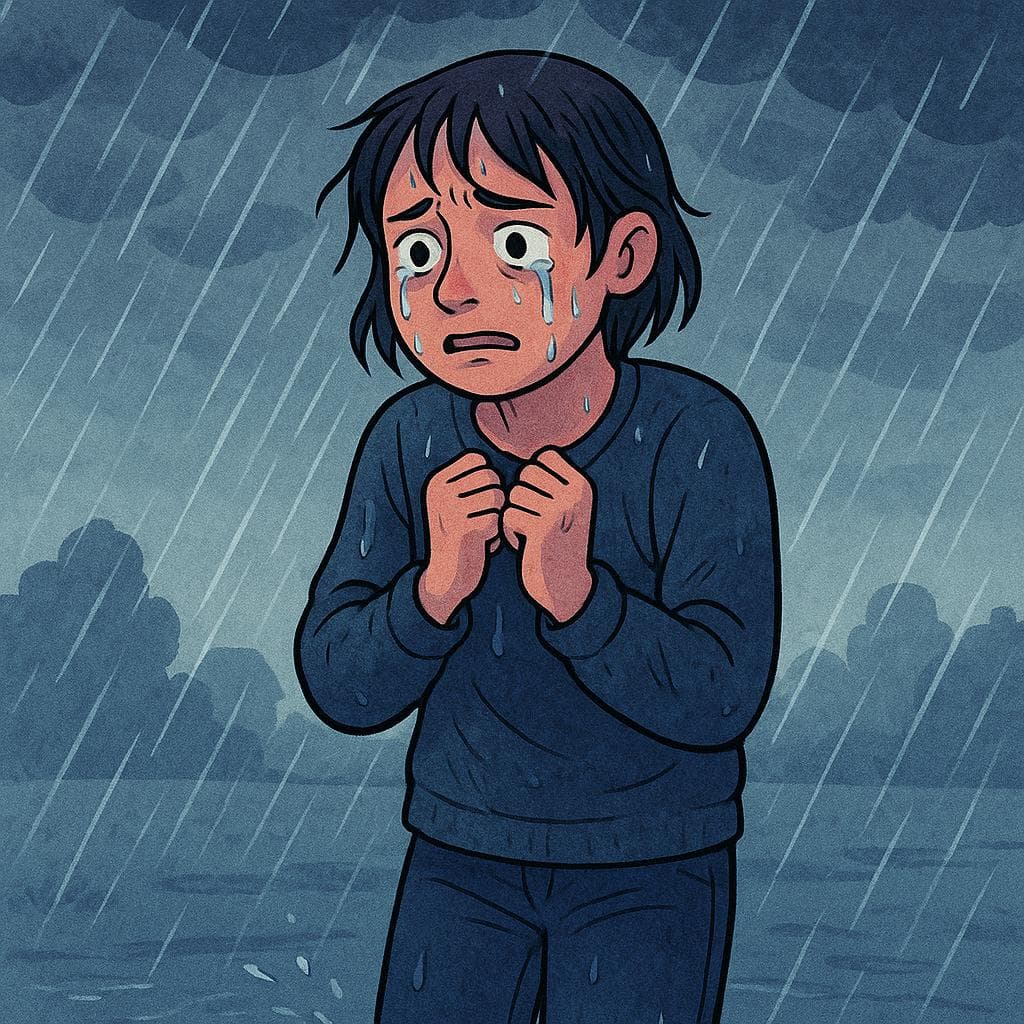
horrible
oh-REE-blehoˈri.ble
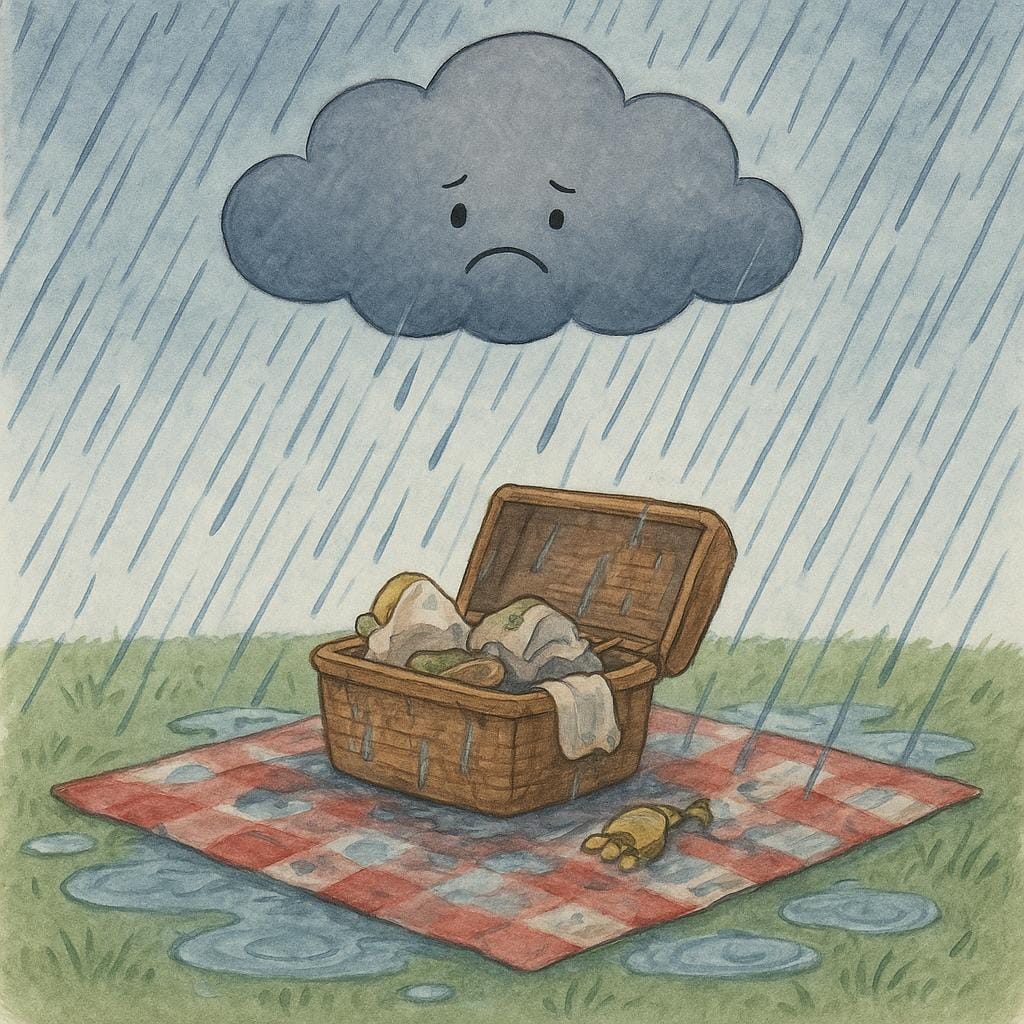
Examples
La película fue horrible, no me gustó nada.
The movie was horrible, I didn't like it at all.
Tuve un día horrible en el trabajo.
I had a horrible day at work.
El tráfico a esta hora es horrible.
The traffic at this time is horrible.
One Form for Masculine and Feminine
Unlike many Spanish adjectives that end in '-o' or '-a', horrible always stays the same for both masculine and feminine things. You say un día horrible (a horrible day) and una película horrible (a horrible movie).
Making it Plural
To talk about more than one thing, just add an 's' to the end. For example, días horribles (horrible days) or películas horribles (horrible movies).
Forgetting it's the Same for Masculine/Feminine
Mistake: “El día fue horriblo.”
Correction: Say `El día fue horrible`. Words ending in '-ble' like `horrible`, `terrible`, or `posible` don't change their ending for masculine or feminine things.
Pronunciation of the 'h'
Mistake: “Pronouncing the 'h' at the beginning like in the English word 'horrible'.”
Correction: The 'h' in Spanish is always silent. Start the word with the 'o' sound: /o-REE-bleh/.
terrible
teh-REE-blehteˈrible
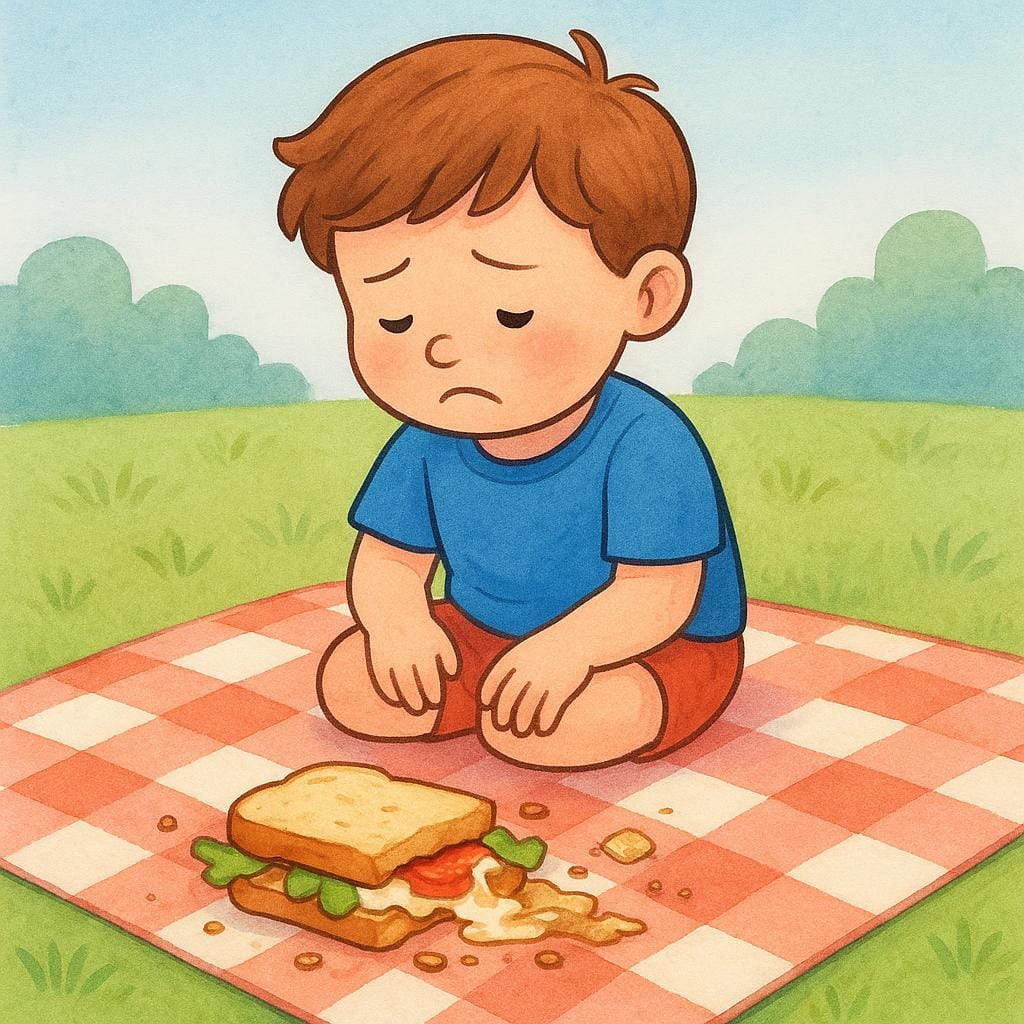
Examples
La película fue terrible, no me gustó nada.
The movie was terrible, I didn't like it at all.
Tuvimos un accidente terrible en la autopista.
We had a terrible accident on the highway.
Siento un dolor de cabeza terrible.
I have a terrible headache.
¡Qué fiesta tan terrible! Nos divertimos muchísimo.
What a tremendous party! We had a great time.
Matching with Nouns
'Terrible' is an adjective, a word that describes things. It needs to match the thing it's describing. The good news is it's the same for masculine and feminine things ('un día terrible', 'una noche terrible'). For plural things, just add an '-s' ('días terribles', 'noches terribles').
Boosting Another Word's Power
In this use, 'terrible' doesn't mean 'bad'. Instead, it acts like 'very' or 'extremely' to make another word stronger. So, 'un hambre terrible' means 'extreme hunger,' not 'a bad-tasting hunger'.
Placement Matters
Mistake: “Vi una terrible película.”
Correction: Vi una película terrible. In Spanish, descriptive words like 'terrible' usually come *after* the thing they describe. It's the opposite of English and a great way to sound more natural!
Confusing 'Bad' with 'Intense'
Mistake: “Hearing '¡Qué mujer tan terrible!' and always assuming it's an insult.”
Correction: It could be an insult, OR it could mean 'What a formidable/impressive woman!'. The speaker's tone of voice and the situation are your best clues to figure out the real meaning.
desagradable
deh-sah-grah-DAH-blehdesaɣraˈðable
Examples
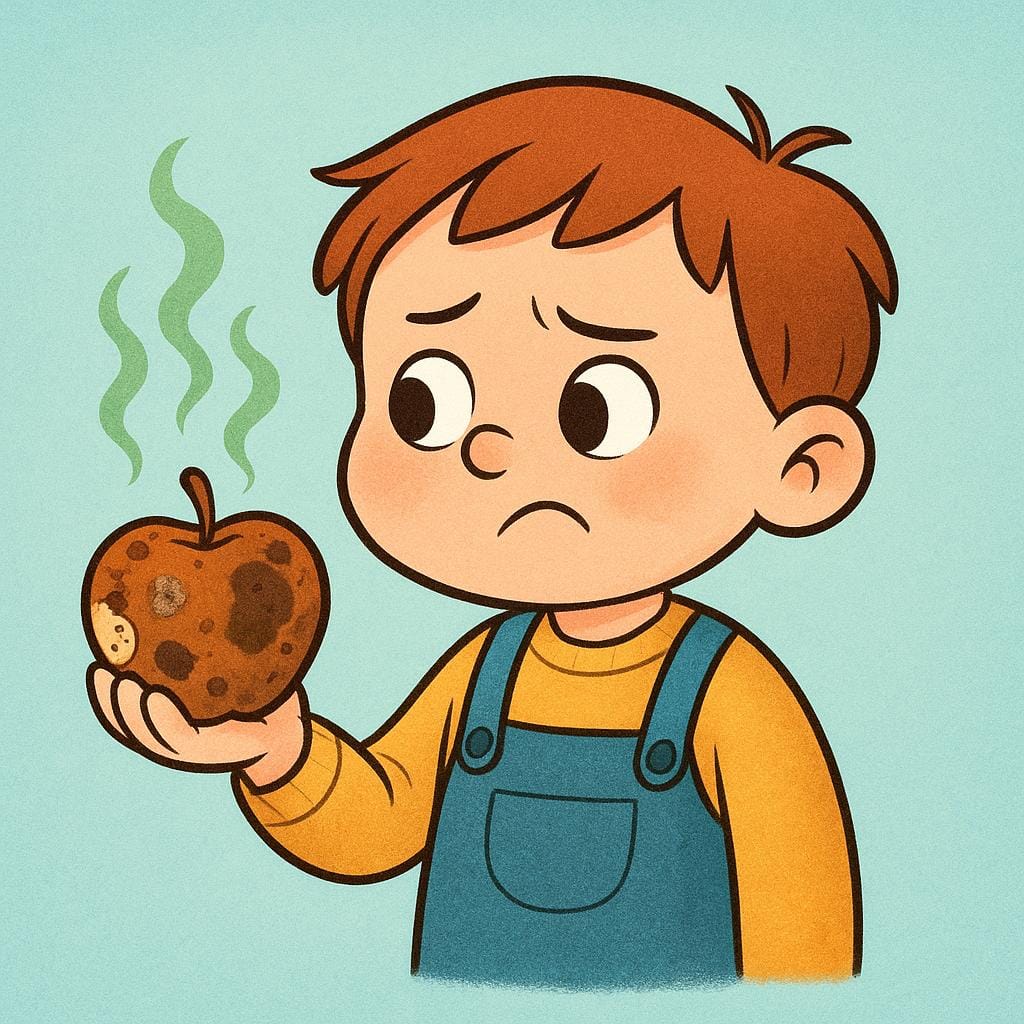
El olor en la cocina era muy desagradable.
The smell in the kitchen was very unpleasant.
No quiero trabajar con él; es una persona muy desagradable.
I don't want to work with him; he is a very disagreeable person.
Tuvimos una experiencia desagradable en el aeropuerto.
We had an unpleasant experience at the airport.
Gender Agreement Tip
Since 'desagradable' ends in '-e', it describes both masculine and feminine things without changing its ending. You only need to make it plural: 'desagradables'.
Using Ser vs. Estar
When describing a permanent or typical characteristic (like a person's personality), use 'ser': 'Él es desagradable'. For a temporary state (like a bad taste right now), use 'estar': 'La sopa está desagradable hoy'.
Forgetting the Plural
Mistake: “Las personas desagradable.”
Correction: Las personas desagradables. (Adjectives must match the noun's number.)
espantoso
ess-pahn-TOH-sohes.panˈto.so
Examples
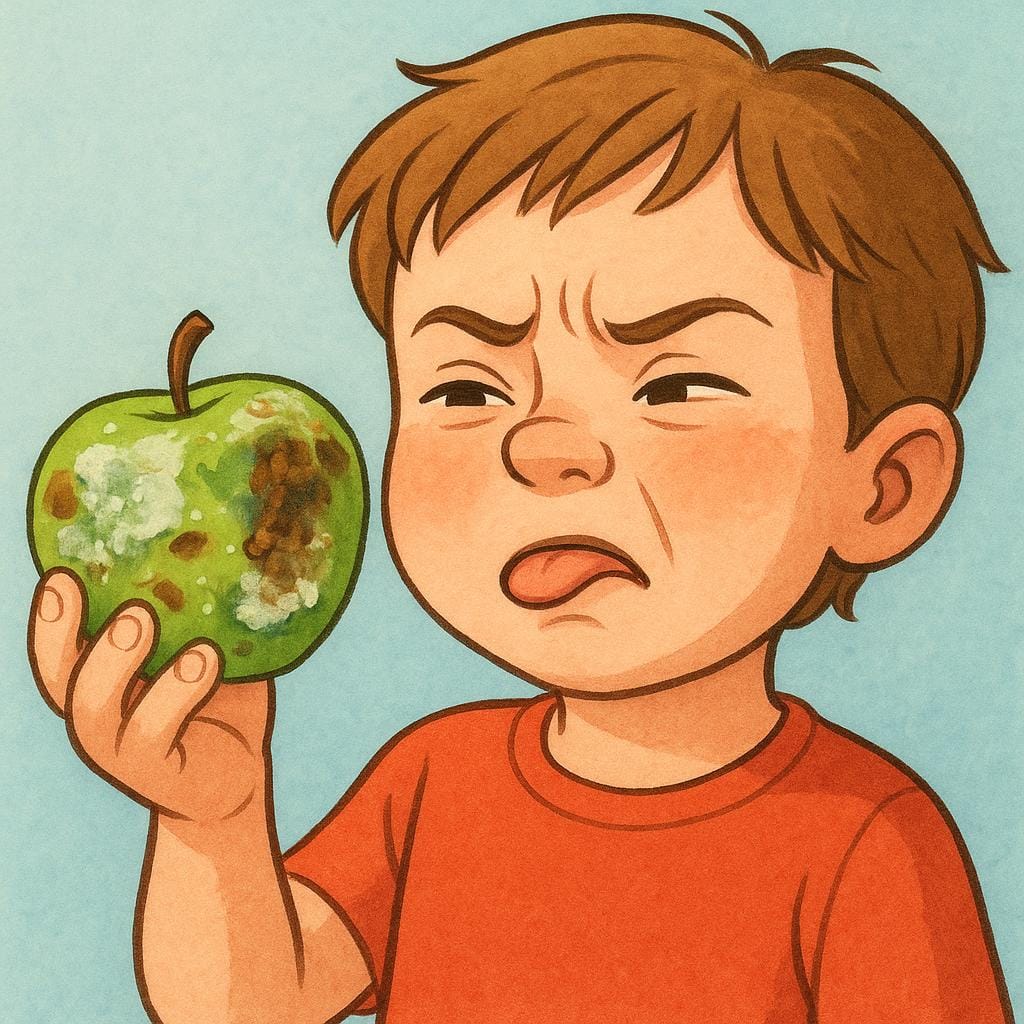
La comida en ese restaurante era espantosa.
The food in that restaurant was awful.
Llevaba un traje espantoso a la boda.
He wore a hideous suit to the wedding.
Tuvimos un tráfico espantoso al salir de la ciudad.
We had dreadful traffic leaving the city.
Agreement is Key
Since 'espantoso' is an adjective, make sure it matches the thing it describes in gender (o/a) and number (s/es). E.g., 'una película espantosa' (a horrible movie).
fatal
fah-TAHLfaˈtal
Examples
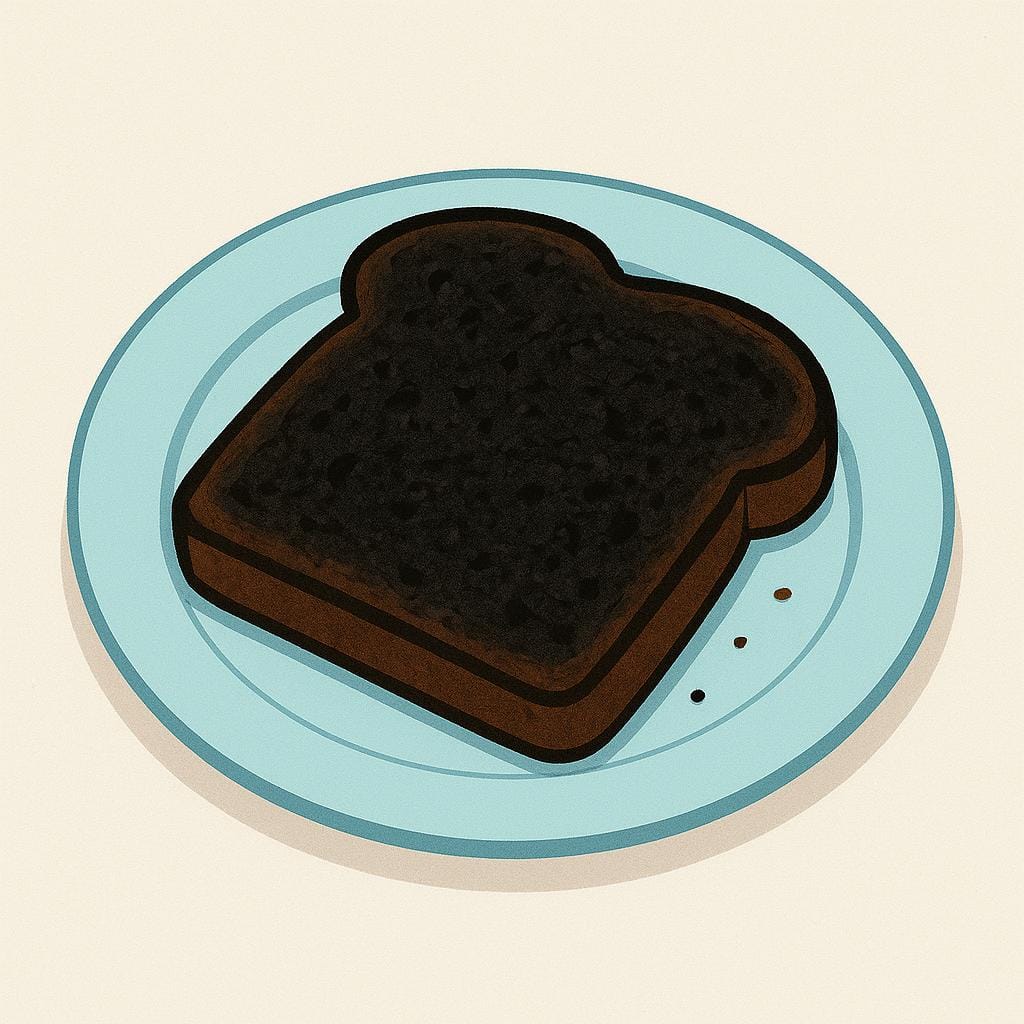
La comida en ese restaurante era fatal, no pudimos terminarla.
The food at that restaurant was terrible; we couldn't finish it.
Mi entrevista de trabajo fue fatal. No creo que me llamen.
My job interview went terribly (was awful). I don't think they'll call me.
Always the Same Form
Unlike most Spanish adjectives, 'fatal' does not change its ending to match the noun's gender (masculine or feminine) or number (singular or plural). It always stays 'fatal'.
Overusing -mente
Mistake: “Hablamos fatalmente de la película.”
Correction: Hablamos fatal de la película. ('Fatal' can act as an adverb without the '-mente' ending.)
desastroso
deh-sahs-TROH-sohdesasˈtɾoso
Examples
El clima fue desastroso durante todo el viaje.
The weather was disastrous during the whole trip.
Tuve un examen desastroso porque no pude dormir nada.
I had an awful exam because I couldn't sleep at all.
La organización del evento resultó ser desastrosa.
The organization of the event turned out to be disastrous.
Adjective Agreement
This word must match the gender of the noun it describes. Change the 'o' to 'a' for feminine things: 'una idea desastrosa' (a disastrous idea).
Usage with Ser vs. Resultar
Use 'ser' to describe the inherent quality of something (it was a bad movie), or 'resultar' to describe how something turned out in the end.
Using it for people
Mistake: “Juan es un desastroso.”
Correction: Say 'Juan es un desastre' or 'Juan es desastroso' (without 'un'). In Spanish, if you use 'un', you need the noun 'desastre' instead of the adjective.
malditos
mal-DEE-tohsmalˈdi.tos
Examples
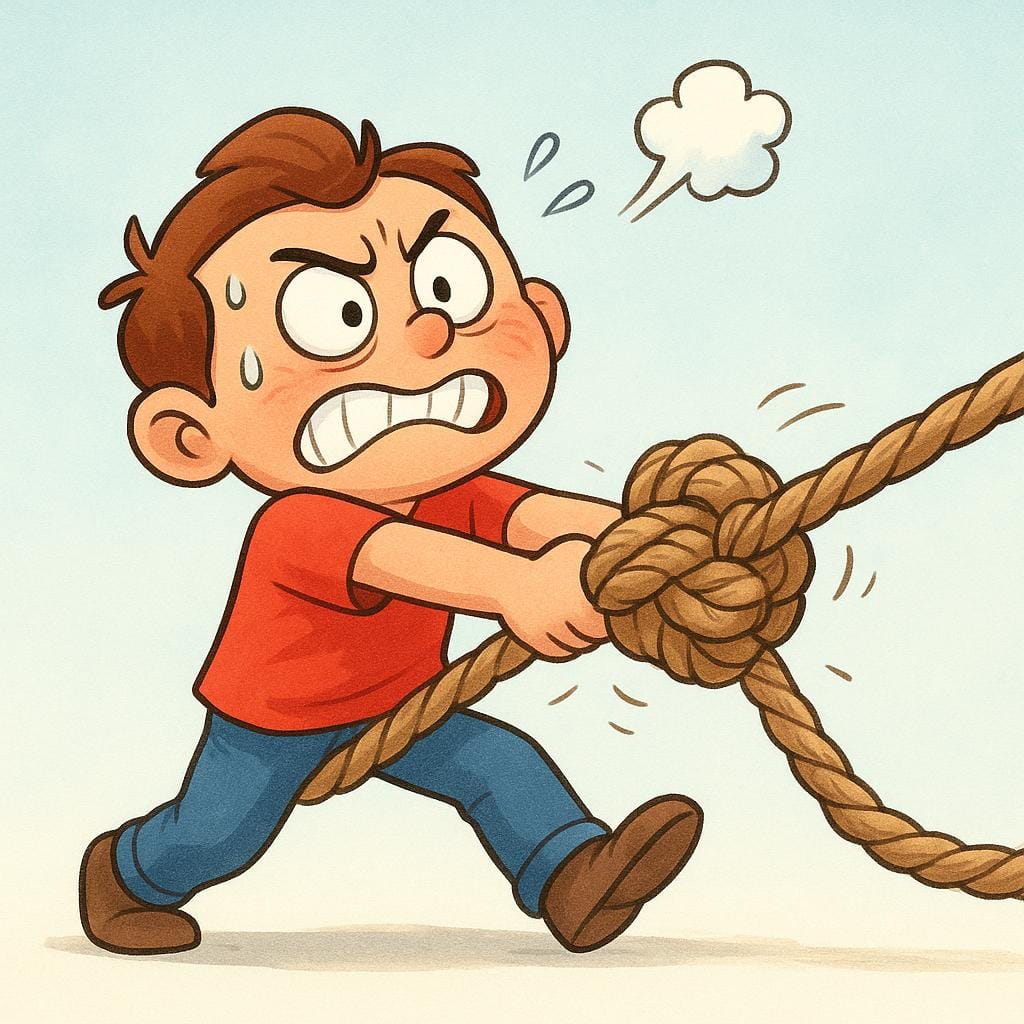
¡Los malditos vecinos hicieron ruido toda la noche!
The damn neighbors made noise all night!
No puedo encontrar mis malditos zapatos.
I can't find my blasted shoes.
Arreglaron los malditos errores del sistema.
They fixed the awful system errors.
Adjective Agreement
Since 'malditos' ends in -os, it is masculine and plural. It must match the noun it describes (e.g., 'los libros malditos').
Using the Singular Form Incorrectly
Mistake: “Usando 'maldito problemas' (Using 'damn problems' with singular form).”
Correction: Use 'malditos problemas.' Remember to make the adjective plural when the noun is plural.
malos
MAH-lohsˈmalos
Examples
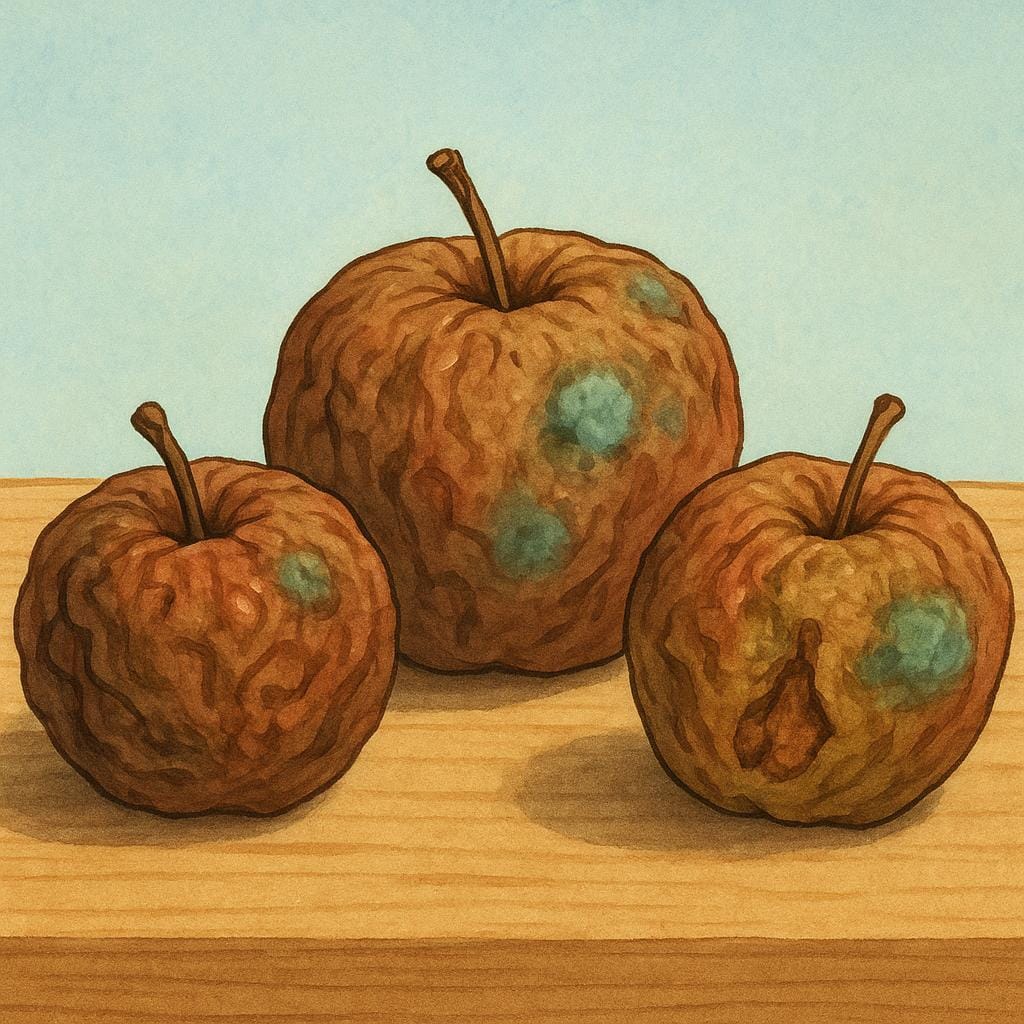
Los huevos estaban malos y tuvimos que tirarlos.
The eggs were bad (spoiled) and we had to throw them away.
Tuvimos unos días muy malos de lluvia la semana pasada.
We had some very bad days of rain last week.
Adjective Agreement
'Malos' is used when describing masculine things that are plural (more than one). If you were describing just one masculine thing, you'd use 'malo' or the shortened form 'mal'.
Placement is Flexible
Like many Spanish adjectives, 'malos' can go before or after the noun. Placing it after ('resultados malos') is more common; placing it before ('malos resultados') often adds emphasis.
horrendo
oh-REHN-dohoˈrendo

Examples
Hoy hace un tiempo horrendo, mejor nos quedamos en casa.
The weather is awful today, we'd better stay home.
Ese cuadro me parece horrendo, no me gusta nada.
I find that painting hideous; I don't like it at all.
Fue un accidente horrendo que conmocionó a toda la ciudad.
It was a horrendous accident that shocked the whole city.
Changing the Ending
This word must match the person or thing you are describing. Use 'horrendo' for masculine words (el libro) and 'horrenda' for feminine words (la película).
Emphasis through Position
Usually, you put 'horrendo' after the thing you are describing. If you put it before (e.g., 'el horrendo crimen'), it adds a more dramatic, literary, or emotional tone.
Confusing with 'Scary'
Mistake: “Using 'horrendo' just because you are scared of a movie.”
Correction: Use 'de terror' or 'terrorífico' for movies. 'Horrendo' is more about something being objectively awful or incredibly ugly.
horroroso
oh-roh-ROH-sohoroˈɾoso

Examples
Hoy hace un tiempo horroroso, no para de llover.
The weather is awful today; it won't stop raining.
Tengo un dolor de muelas horroroso.
I have a dreadful toothache.
Fue un accidente horroroso en la autopista.
It was a terrible accident on the highway.
Using with 'estar' vs 'ser'
Use 'ser' if the thing is always bad (e.g., 'el libro es horroroso'). Use 'estar' if it's a temporary state, like bad weather (e.g., 'el día está horroroso').
Using it for 'scary'
Mistake: “Saying 'horroroso' when you mean a person is frightening.”
Correction: Use 'aterrador' or 'de miedo' for something that causes fear. 'Horroroso' is more about something being extremely unpleasant or bad quality.
pésimo
Examples
La comida en ese hotel era pésima.
The food at that hotel was awful.
tremendo
treh-MEN-dohtɾeˈmen.do
Examples
Fue una tremenda equivocación confiar en él.
It was a terrible mistake to trust him.
El equipo sufrió una tremenda derrota en la final.
The team suffered an awful defeat in the final.
Meaning Shift
The meaning of 'tremendo' often depends on the context. If you are describing something negative, it intensifies that negativity (e.g., 'tremenda hambre' means severe hunger).
perra
PEH-rrah'pera
Examples
Tuve una jaqueca perra todo el día de ayer.
I had a terrible migraine all day yesterday.
¡Qué vida más perra! Nada me sale bien.
What a miserable life! Nothing is going right for me.
Adjective Agreement
When used this way, 'perra' is an adjective and must match the gender of the thing it describes. For a feminine noun use 'perra' (una noche perra), and for a masculine noun use 'perro' (un día perro).
Choosing Between 'Horrible', 'Terrible', and 'Espantoso'
Learn Spanish with Inklingo
Interactive stories, personalized learning, and more.