How to Say "disastrous" in Spanish
The most common Spanish word for “disastrous” is “desastroso” — use 'desastroso' when referring to a situation or event that has gone very wrong or failed badly, often implying chaos or ruin.

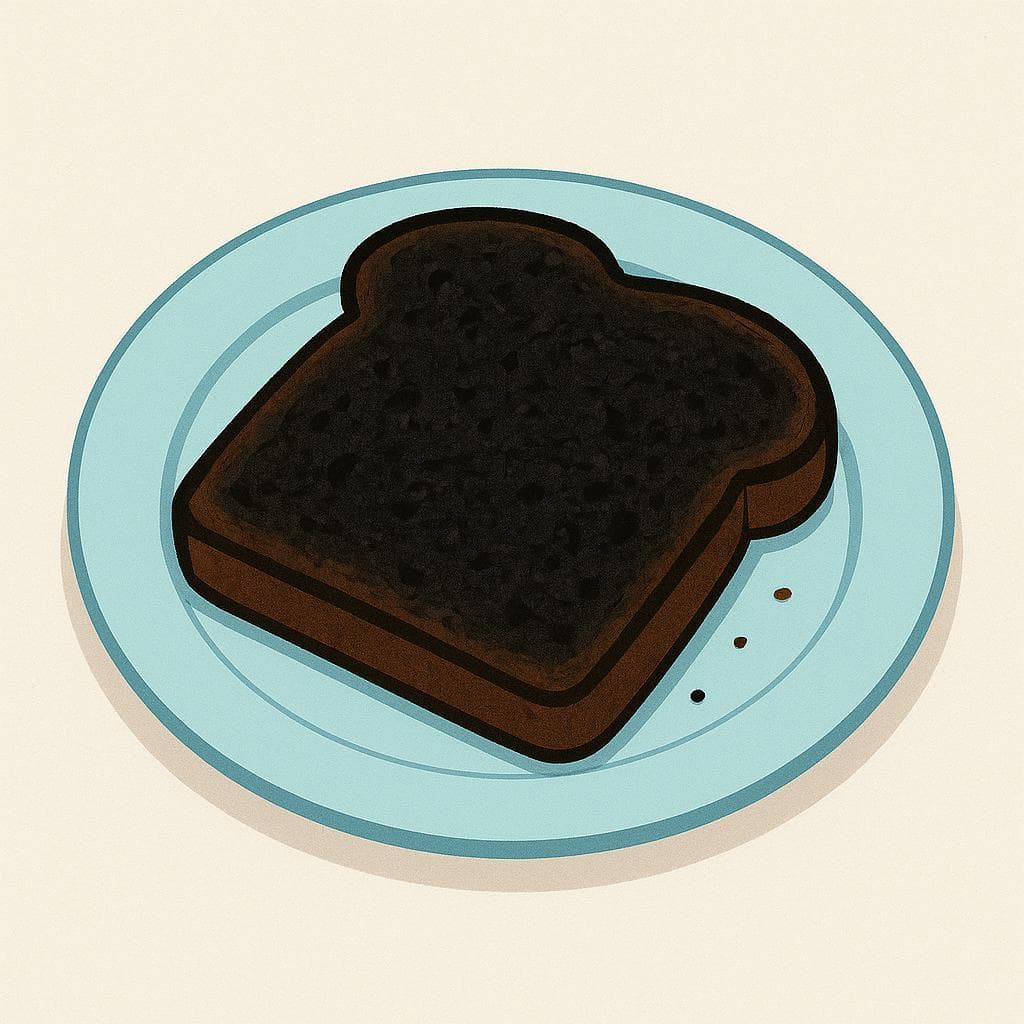
desastroso
deh-sahs-TROH-sohdesasˈtɾoso

Examples
El clima fue desastroso durante todo el viaje.
The weather was disastrous during the whole trip.
Tuve un examen desastroso porque no pude dormir nada.
I had an awful exam because I couldn't sleep at all.
La organización del evento resultó ser desastrosa.
The organization of the event turned out to be disastrous.
Adjective Agreement
This word must match the gender of the noun it describes. Change the 'o' to 'a' for feminine things: 'una idea desastrosa' (a disastrous idea).
Usage with Ser vs. Resultar
Use 'ser' to describe the inherent quality of something (it was a bad movie), or 'resultar' to describe how something turned out in the end.
Using it for people
Mistake: “Juan es un desastroso.”
Correction: Say 'Juan es un desastre' or 'Juan es desastroso' (without 'un'). In Spanish, if you use 'un', you need the noun 'desastre' instead of the adjective.
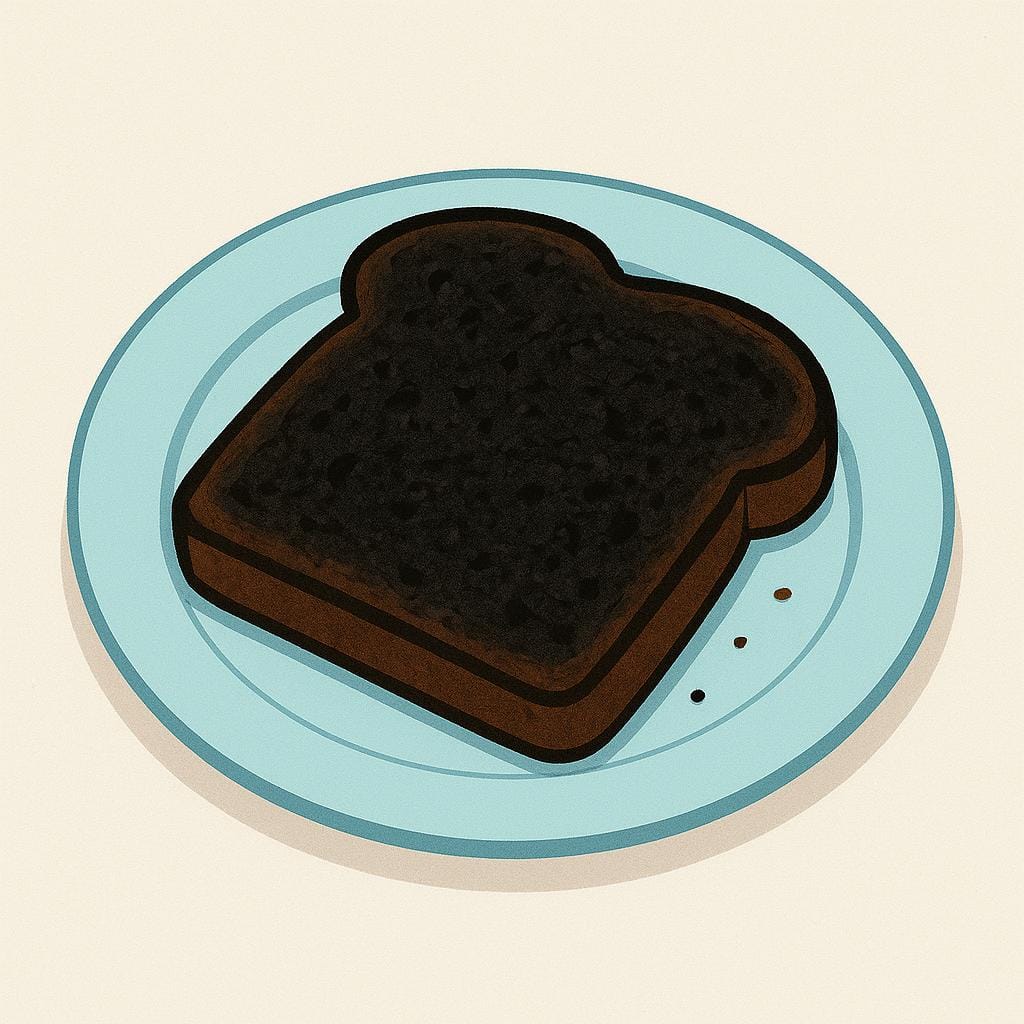
fatal
fah-TAHLfaˈtal
Examples
La comida en ese restaurante era fatal, no pudimos terminarla.
The food at that restaurant was terrible; we couldn't finish it.
Mi entrevista de trabajo fue fatal. No creo que me llamen.
My job interview went terribly (was awful). I don't think they'll call me.
Always the Same Form
Unlike most Spanish adjectives, 'fatal' does not change its ending to match the noun's gender (masculine or feminine) or number (singular or plural). It always stays 'fatal'.
Overusing -mente
Mistake: “Hablamos fatalmente de la película.”
Correction: Hablamos fatal de la película. ('Fatal' can act as an adverb without the '-mente' ending.)
trágico
Examples
Fue un accidente trágico; muchas familias perdieron a sus seres queridos.
It was a tragic accident; many families lost their loved ones.
Choosing Between 'Desastroso', 'Fatal', and 'Trágico'
Learn Spanish with Inklingo
Interactive stories, personalized learning, and more.