How to Say "horrible" in Spanish
The most common Spanish word for “horrible” is “horrible” — use this adjective when describing something as generally terrible, awful, or disgusting, similar to its direct English cognate.
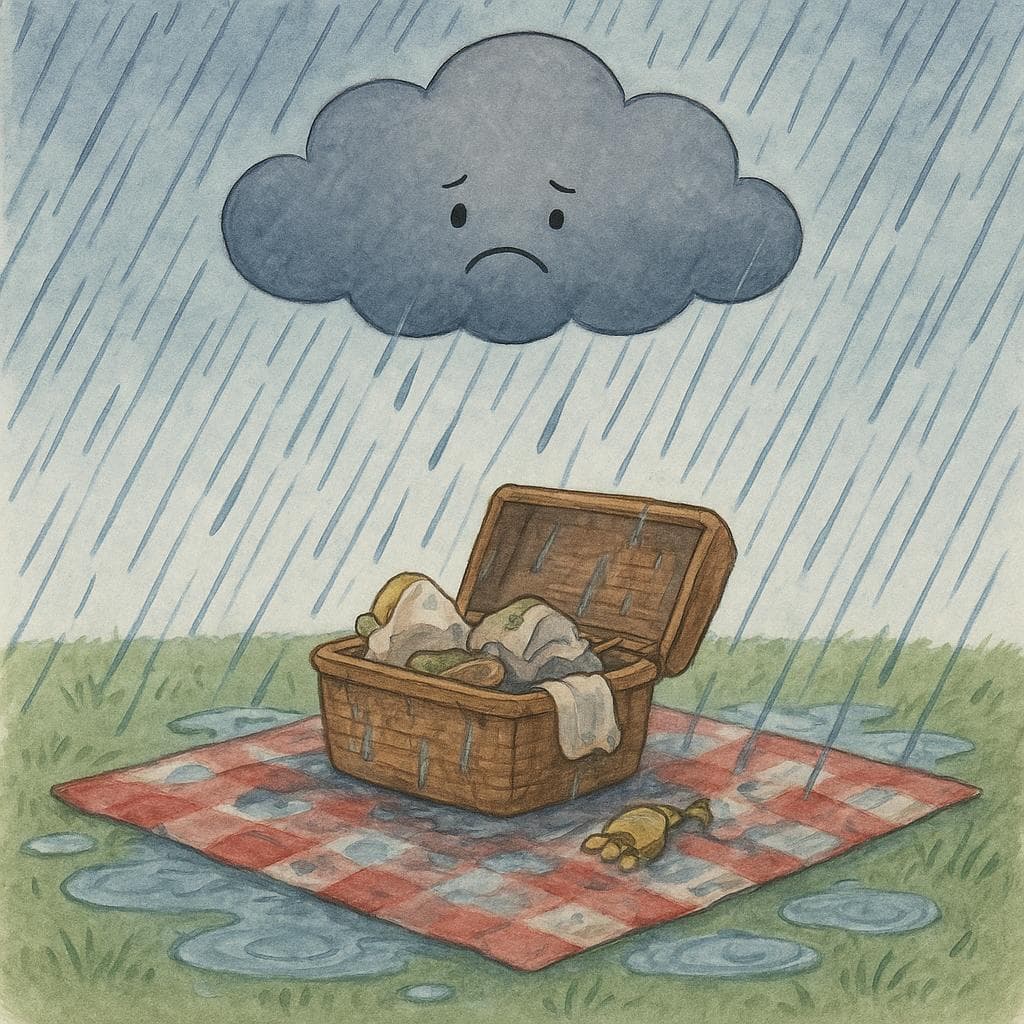
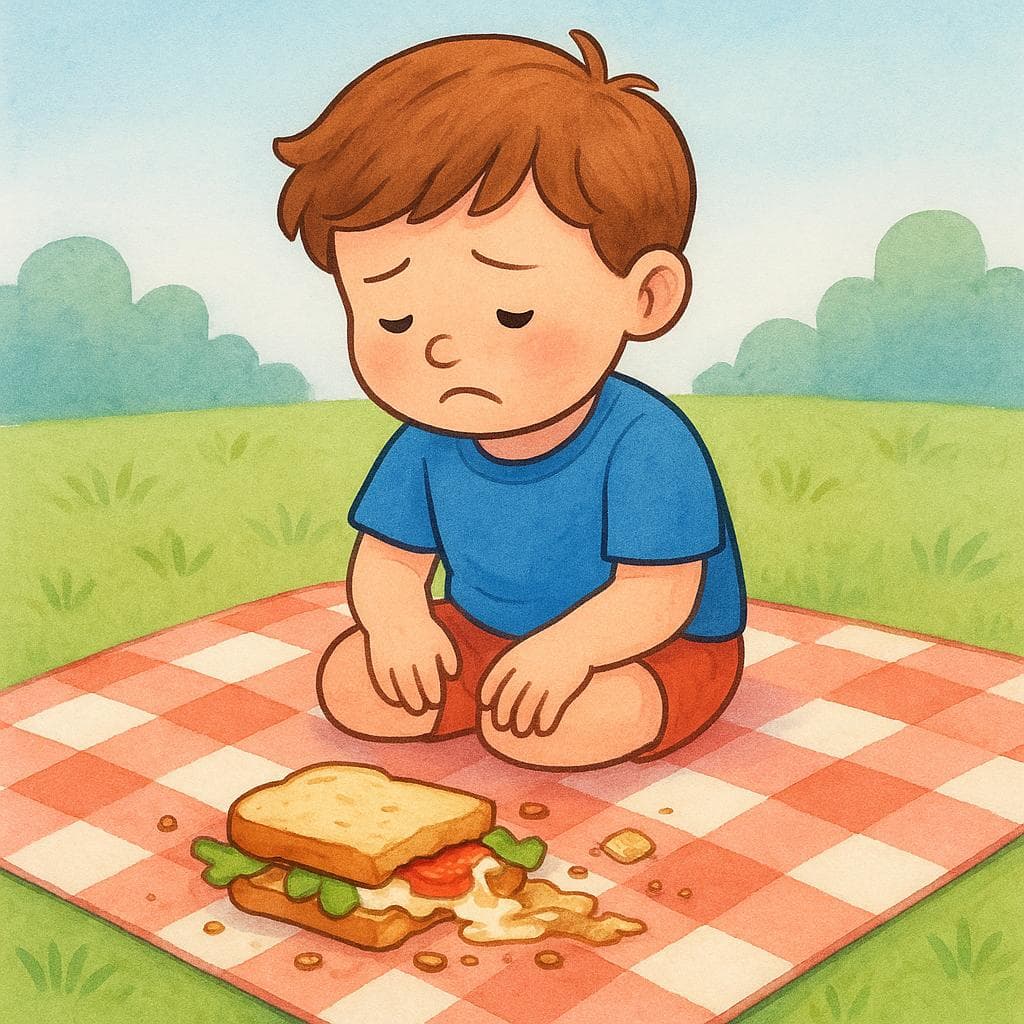
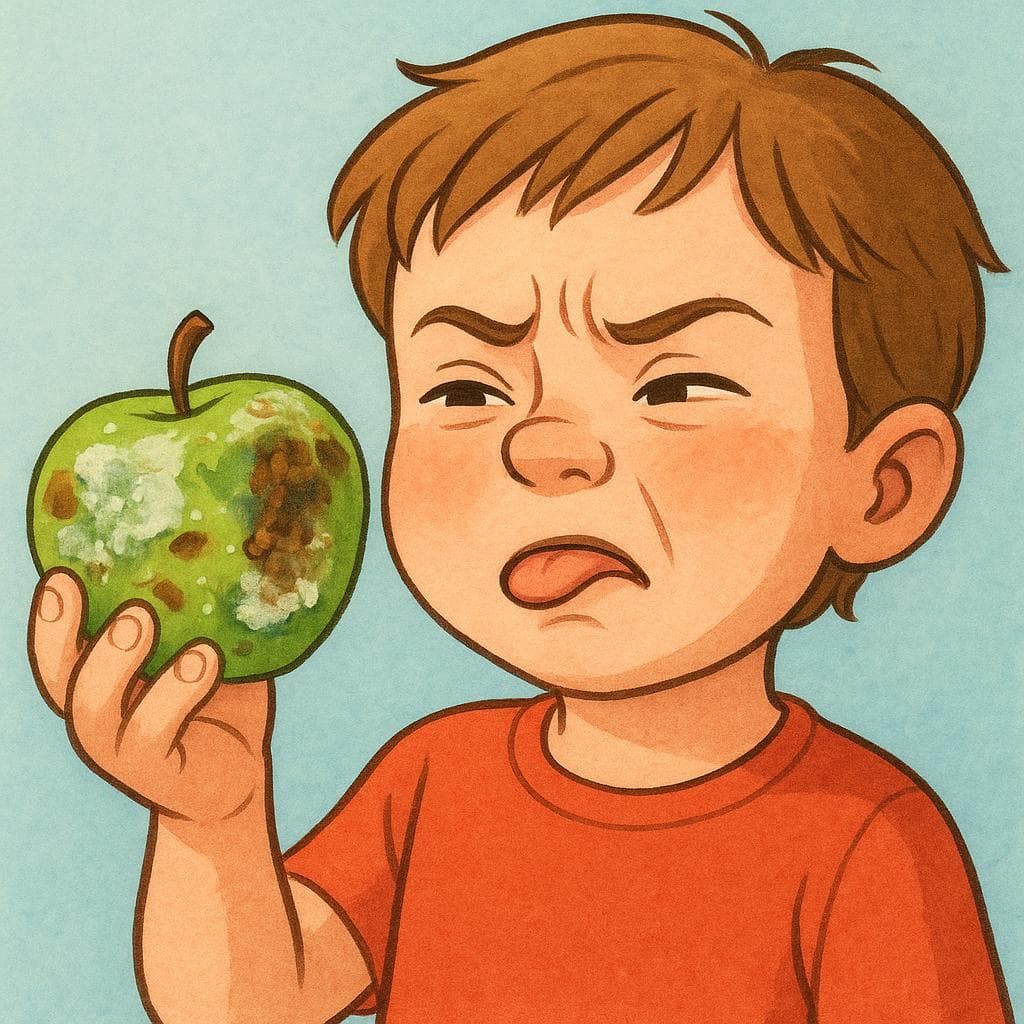
horrible
oh-REE-blehoˈri.ble
Examples
La película fue horrible, no me gustó nada.
The movie was horrible, I didn't like it at all.
Tuve un día horrible en el trabajo.
I had a horrible day at work.
El tráfico a esta hora es horrible.
The traffic at this time is horrible.
One Form for Masculine and Feminine
Unlike many Spanish adjectives that end in '-o' or '-a', horrible always stays the same for both masculine and feminine things. You say un día horrible (a horrible day) and una película horrible (a horrible movie).
Making it Plural
To talk about more than one thing, just add an 's' to the end. For example, días horribles (horrible days) or películas horribles (horrible movies).
Forgetting it's the Same for Masculine/Feminine
Mistake: “El día fue horriblo.”
Correction: Say `El día fue horrible`. Words ending in '-ble' like `horrible`, `terrible`, or `posible` don't change their ending for masculine or feminine things.
Pronunciation of the 'h'
Mistake: “Pronouncing the 'h' at the beginning like in the English word 'horrible'.”
Correction: The 'h' in Spanish is always silent. Start the word with the 'o' sound: /o-REE-bleh/.
terrible
teh-REE-blehteˈrible
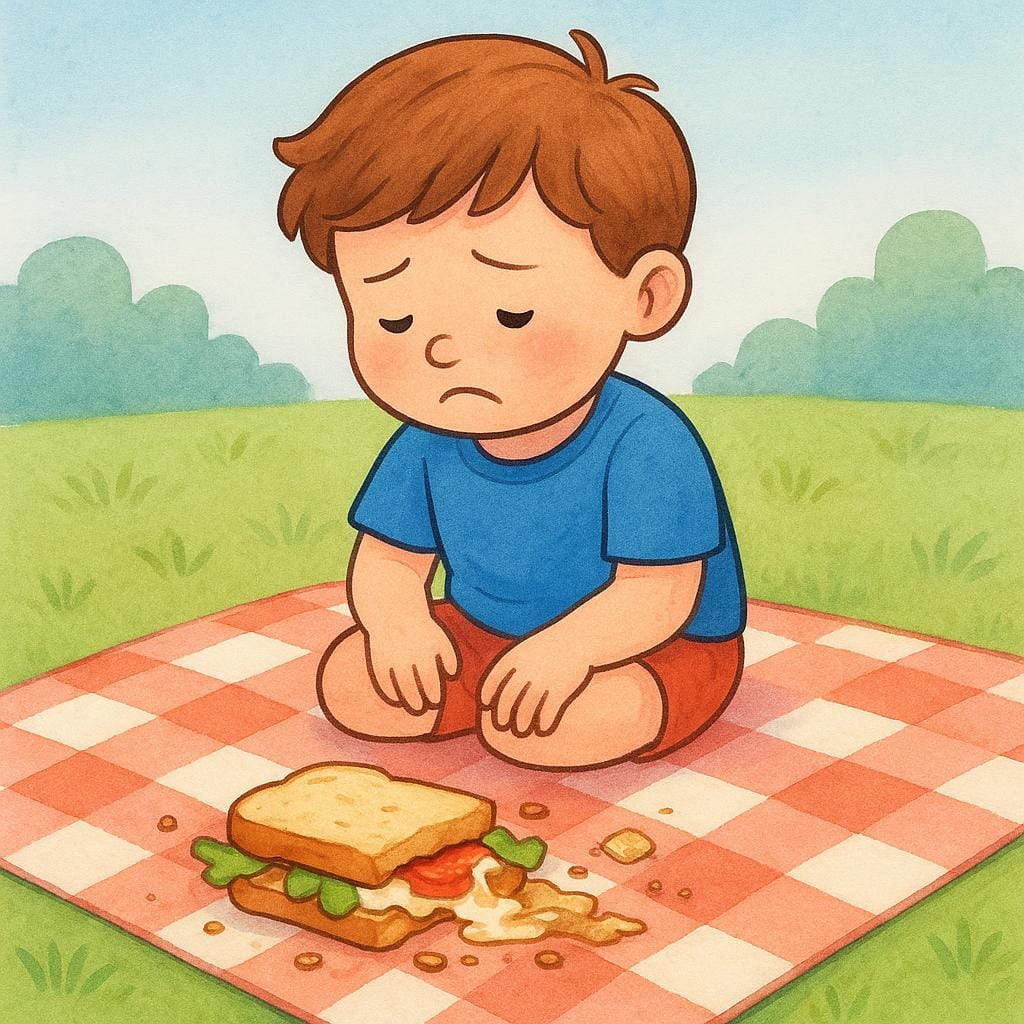
Examples
La película fue terrible, no me gustó nada.
The movie was terrible, I didn't like it at all.
Tuvimos un accidente terrible en la autopista.
We had a terrible accident on the highway.
Siento un dolor de cabeza terrible.
I have a terrible headache.
Matching with Nouns
'Terrible' is an adjective, a word that describes things. It needs to match the thing it's describing. The good news is it's the same for masculine and feminine things ('un día terrible', 'una noche terrible'). For plural things, just add an '-s' ('días terribles', 'noches terribles').
Placement Matters
Mistake: “Vi una terrible película.”
Correction: Vi una película terrible. In Spanish, descriptive words like 'terrible' usually come *after* the thing they describe. It's the opposite of English and a great way to sound more natural!
espantoso
ess-pahn-TOH-sohes.panˈto.so
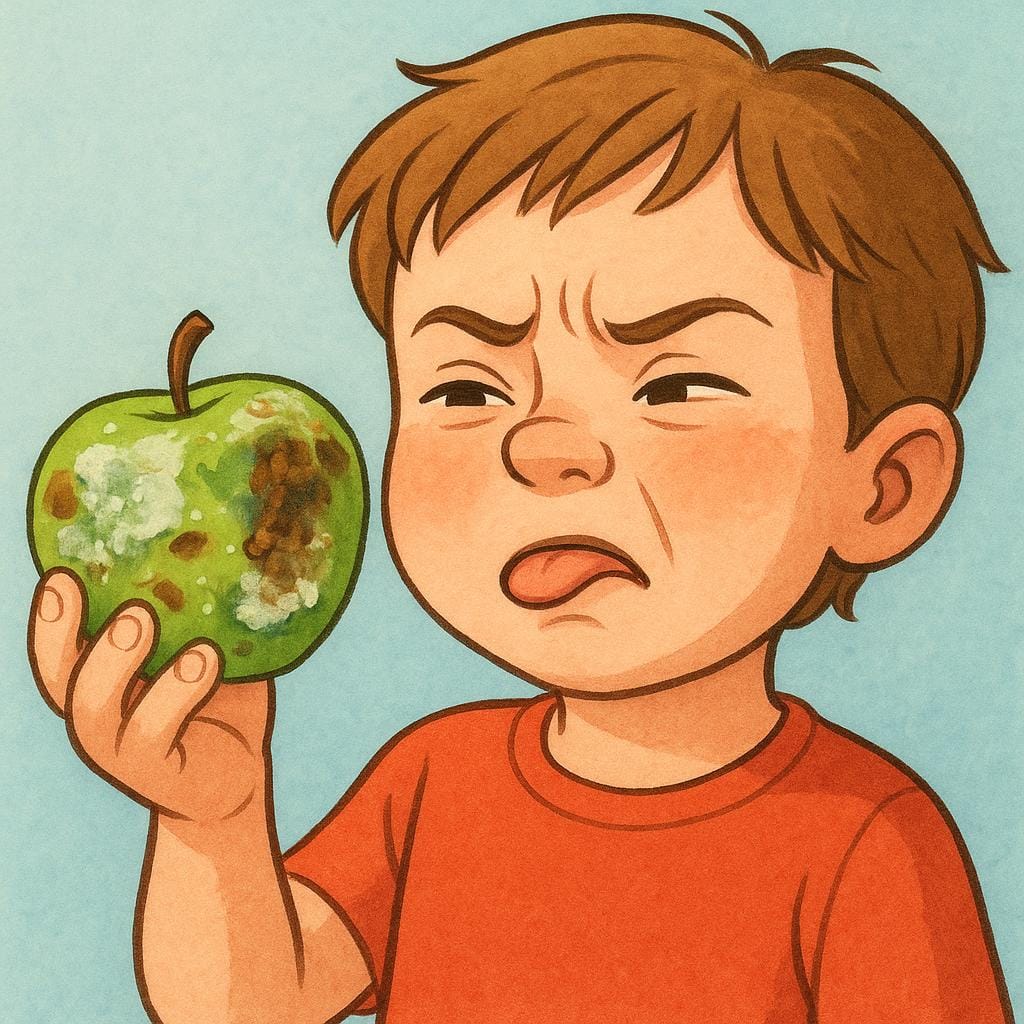
Examples
La comida en ese restaurante era espantosa.
The food in that restaurant was awful.
Llevaba un traje espantoso a la boda.
He wore a hideous suit to the wedding.
Tuvimos un tráfico espantoso al salir de la ciudad.
We had dreadful traffic leaving the city.
Agreement is Key
Since 'espantoso' is an adjective, make sure it matches the thing it describes in gender (o/a) and number (s/es). E.g., 'una película espantosa' (a horrible movie).
Horrible vs. Terrible vs. Espantoso
Related Translations
Learn Spanish with Inklingo
Interactive stories, personalized learning, and more.