How to Say "huge" in Spanish
The most common Spanish word for “huge” is “enorme” — use this for general, large physical dimensions, often emphasizing impressive size.





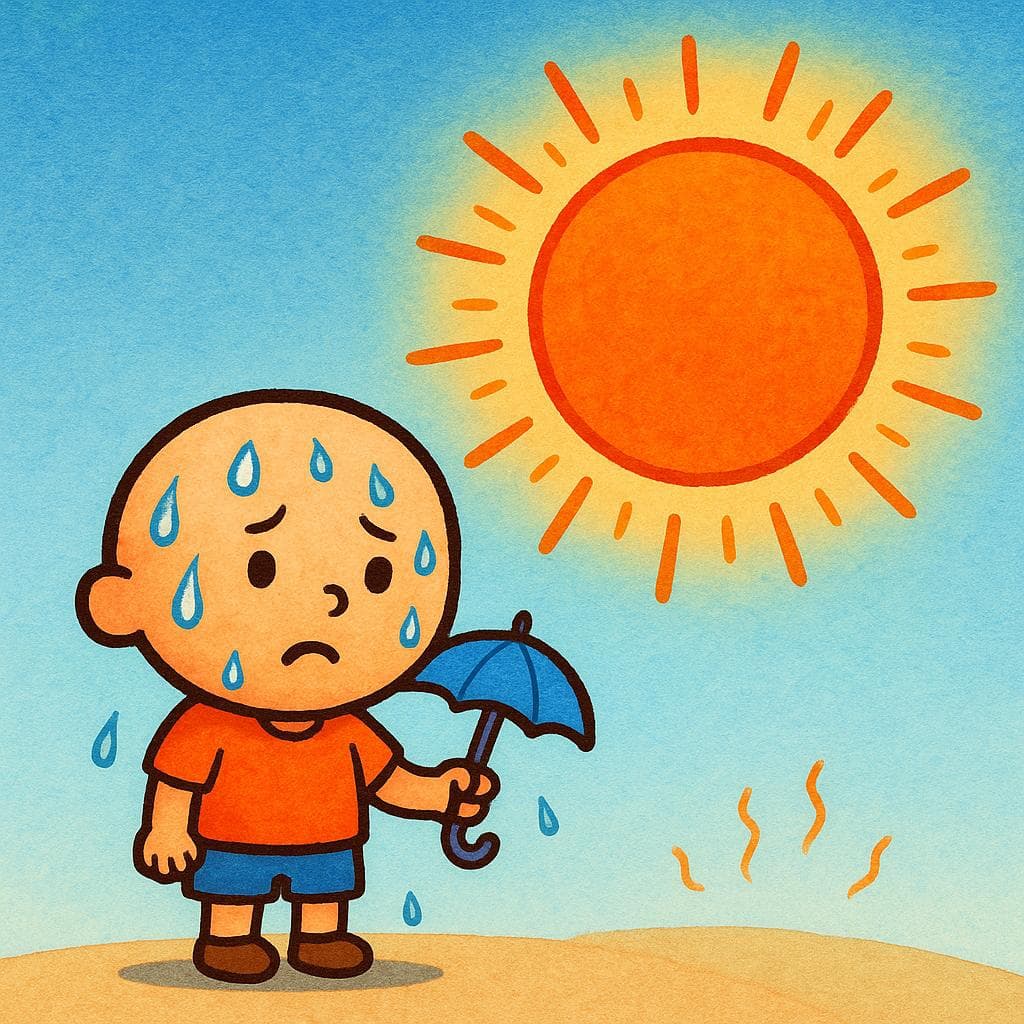
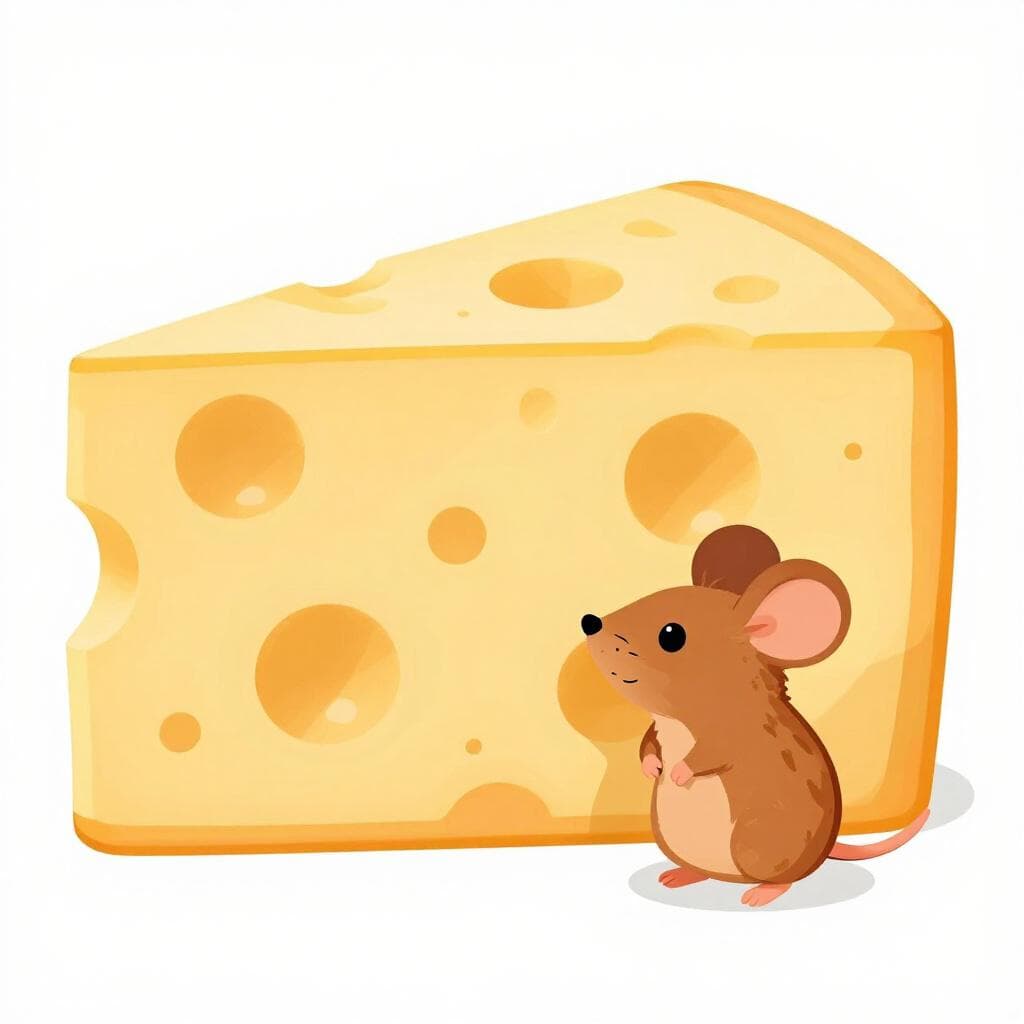
enorme
eh-NOR-meheˈnoɾme

Examples
El estadio de fútbol es absolutamente enorme.
The soccer stadium is absolutely enormous.
Tuvimos una diferencia enorme en opiniones sobre la película.
We had a huge difference in opinions about the movie.
Ella siente una presión enorme por terminar el proyecto a tiempo.
She feels tremendous pressure to finish the project on time.
It Works for Both Genders
Since 'enorme' ends in the letter '-e', it describes both masculine nouns (el perro enorme) and feminine nouns (la casa enorme) without changing its ending.
Making it Plural
To describe more than one thing, simply add '-s' to the end: 'enormes'. Example: 'los problemas enormes' (the huge problems).
Changing the Gender
Mistake: “La montaña es enorma.”
Correction: La montaña es enorme. Adjectives ending in -e or consonants do not have a separate feminine form in Spanish.
gigante
hee-GAHN-tehxiˈɣan̪.t̪e

Examples
Compramos una televisión gigante para la sala.
We bought a huge television for the living room.
El reto de aprender español parecía gigante al principio.
The challenge of learning Spanish seemed enormous at first.
Adjective Agreement (The '-e' Rule)
Since 'gigante' ends in '-e', it doesn't change its ending when describing masculine or feminine things (e.g., 'el libro gigante' and 'la casa gigante'). It only changes for plural: 'gigantes'.
tremendo
treh-MEN-dohtɾeˈmen.do

Examples
Hubo un tremendo ruido cuando se cayó el árbol.
There was a huge noise when the tree fell.
Hicimos un tremendo esfuerzo para terminar a tiempo.
We made a great effort to finish on time.
Adjective Agreement
Like most Spanish adjectives, 'tremendo' changes its ending to match the thing it describes: 'tremendo éxito' (m, singular), 'tremenda sorpresa' (f, singular), 'tremendos problemas' (m, plural).
inmenso
een-MEN-sohinˈmen.so

Examples
El océano es inmenso y azul.
The ocean is vast and blue.
Siento una inmensa alegría por tu éxito.
I feel an immense joy for your success.
La mayoría inmensa de los estudiantes pasó el examen.
The vast majority of the students passed the exam.
Matching gender and number
This word must match the thing it describes. Use 'inmenso' for masculine things (el campo inmenso), 'inmensa' for feminine things (la casa inmensa), and add an 's' for plurals (los bosques inmensos).
Placement for emphasis
If you put 'inmenso' before the noun (e.g., 'el inmenso mar'), it sounds more poetic or emotional than putting it after.
Don't use 'muy' with 'inmenso'
Mistake: “La casa es muy inmensa.”
Correction: La casa es inmensa. (Because 'inmenso' already means 'extremely big,' adding 'very' is repetitive in Spanish.)
Gender mismatch with abstract nouns
Mistake: “Tengo un suerte inmenso.”
Correction: Tengo una suerte inmensa. (Always check if the feeling or abstract concept is masculine or feminine.)
grandote
gran-DOH-tehɡɾanˈdote

Examples
Tengo un perro grandote en mi casa.
I have a really big dog at my house.
Ese coche es muy grandote para esta calle estrecha.
That car is way too big for this narrow street.
Me dio un abrazo grandote cuando me vio.
He gave me a huge hug when he saw me.
The 'Size Booster' Suffix
In Spanish, adding '-ote' to the end of a word is like turning up the volume. It doesn't just mean 'big,' it means 'really big' and usually feels more friendly or casual than using the word 'grande' (big).
Gender Changes
Even though this word ends in 'e,' it changes its ending to match what you are talking about. Use 'grandote' for masculine things (like 'el perro') and 'grandota' for feminine things (like 'la casa').
Using it in Formal Writing
Mistake: “Writing 'El problema es grandote' in a business report.”
Correction: Use 'grande' or 'importante' instead. 'Grandote' is best for chatting with friends or family.
terrible
teh-REE-blehteˈrible
Examples
¡Qué fiesta tan terrible! Nos divertimos muchísimo.
What a tremendous party! We had a great time.
Tengo un hambre terrible, podría comerme un caballo.
I'm terribly hungry, I could eat a horse.
El nuevo cantante tiene una voz terrible.
The new singer has a tremendous/powerful voice.
Boosting Another Word's Power
In this use, 'terrible' doesn't mean 'bad'. Instead, it acts like 'very' or 'extremely' to make another word stronger. So, 'un hambre terrible' means 'extreme hunger,' not 'a bad-tasting hunger'.
Confusing 'Bad' with 'Intense'
Mistake: “Hearing '¡Qué mujer tan terrible!' and always assuming it's an insult.”
Correction: It could be an insult, OR it could mean 'What a formidable/impressive woman!'. The speaker's tone of voice and the situation are your best clues to figure out the real meaning.
monumental
mo-noo-men-TAHLmonumenˈtal
Examples
He cometido un error monumental en el trabajo.
I've made a huge mistake at work.
Había un atasco monumental en la autopista.
There was a massive traffic jam on the highway.
Se llevaron un enfado monumental cuando supieron la verdad.
They got massively angry when they found out the truth.
Emphasis Tool
Use this word after a noun to really stress that something was big. It's much stronger than just saying 'grande' (big).
Word Order
Mistake: “Un monumental error.”
Correction: Un error monumental. While you can sometimes put adjectives first in Spanish, with this word, putting it after the noun sounds more natural and emphatic.
Literal vs. Figurative 'Huge'
Learn Spanish with Inklingo
Interactive stories, personalized learning, and more.