grandote
“grandote” means “really big” in Spanish. It has 2 different meanings depending on context:

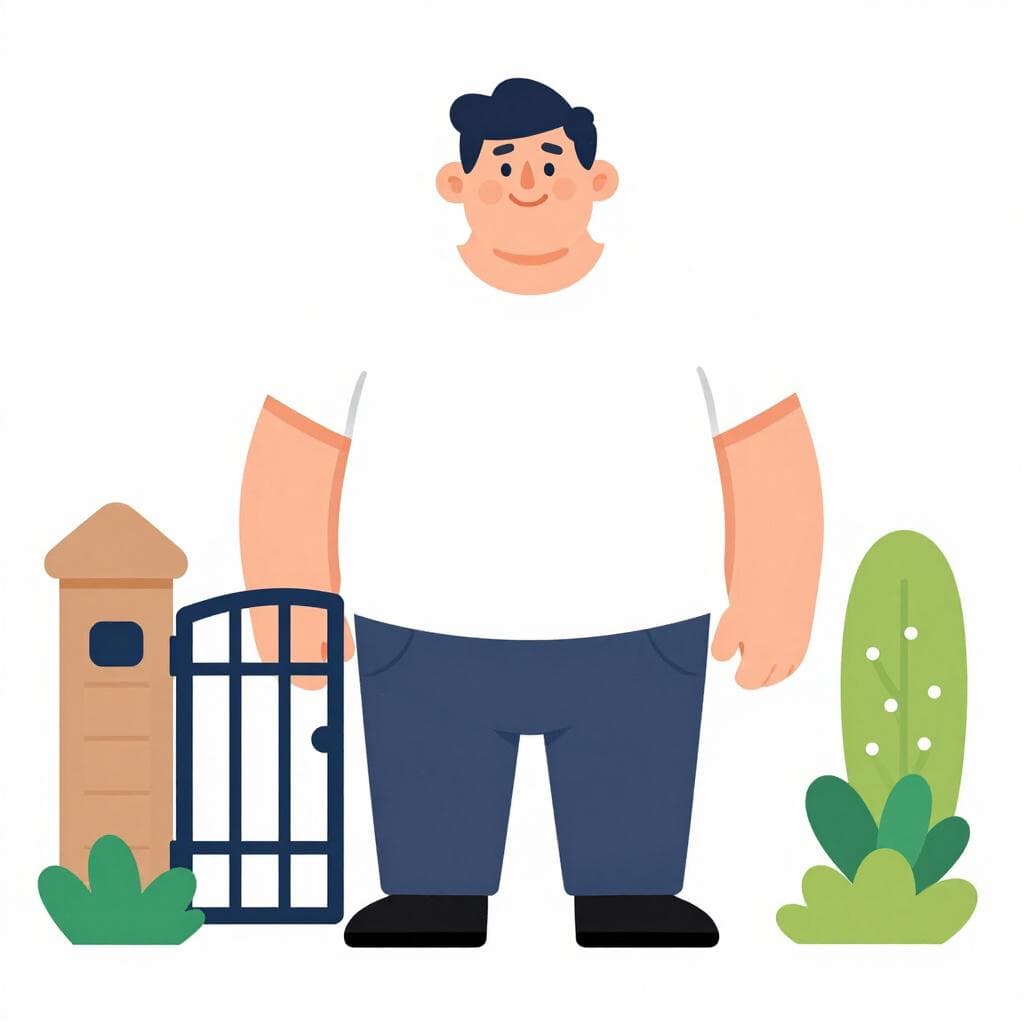
really big
Also: huge, massive
📝 In Action
Tengo un perro grandote en mi casa.
A1I have a really big dog at my house.
Ese coche es muy grandote para esta calle estrecha.
A2That car is way too big for this narrow street.
Me dio un abrazo grandote cuando me vio.
B1He gave me a huge hug when he saw me.
big guy
Also: giant
📝 In Action
Ese grandote es el que juega al baloncesto.
A2That big guy is the one who plays basketball.
No te asustes, es un grandote muy amable.
B1Don't be scared, he's a very kind big guy.
Mira a ese grandote de allá; es el doble de alto que yo.
B2Look at that big guy over there; he's twice as tall as me.
Translate to Spanish
✏️ Quick Practice
Quick Quiz: grandote
Question 1 of 3
If you describe your new house as 'grandota', what are you implying?
📚 More Resources
👥 Word Family▼
📚 Etymology▼
Formed by taking the Spanish word 'grande' (from Latin 'grandis') and adding the intensive suffix '-ote'. This suffix has been used since medieval times to make words sound bigger or more striking.
First recorded: 14th century (in similar suffix forms)
Cognates (Related words)
💡 Master Spanish
Take your Spanish to the next level. Read 200+ illustrated and narrated Spanish stories tailored to your level with the Inklingo app!
Frequently Asked Questions
What is the difference between 'grande' and 'grandote'?
'Grande' is the standard word for 'big.' 'Grandote' is more informal and emphasizes that something is extra big or massive, often adding a touch of emotion or playfulness.
Does 'grandote' have a feminine form?
Yes! If you are describing something feminine (like a 'mesa' or 'casa'), you must use 'grandota'.
Is it mean to call someone a 'grandote'?
Not usually. It is more like saying 'big guy' or 'big fella.' It is often used for children who have grown a lot or for tall, friendly men.