How to Say "giant" in Spanish
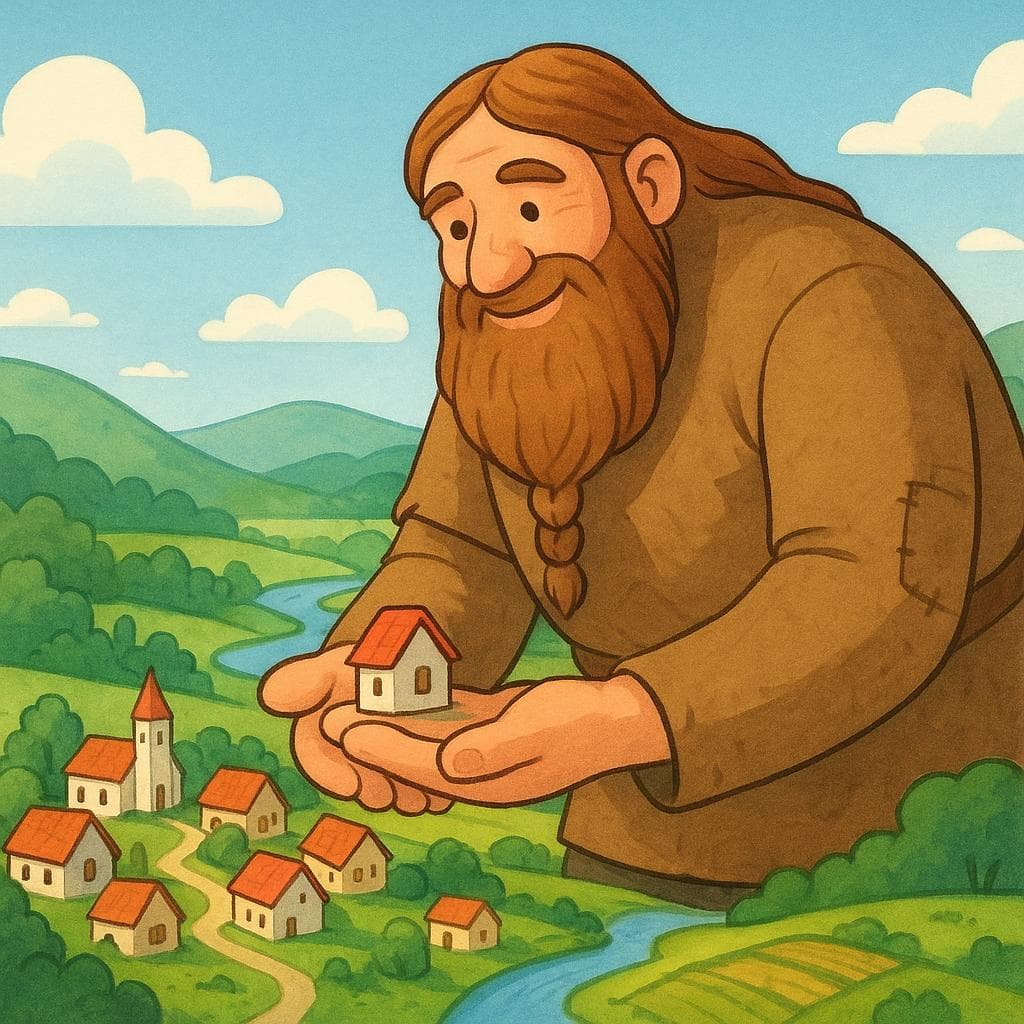
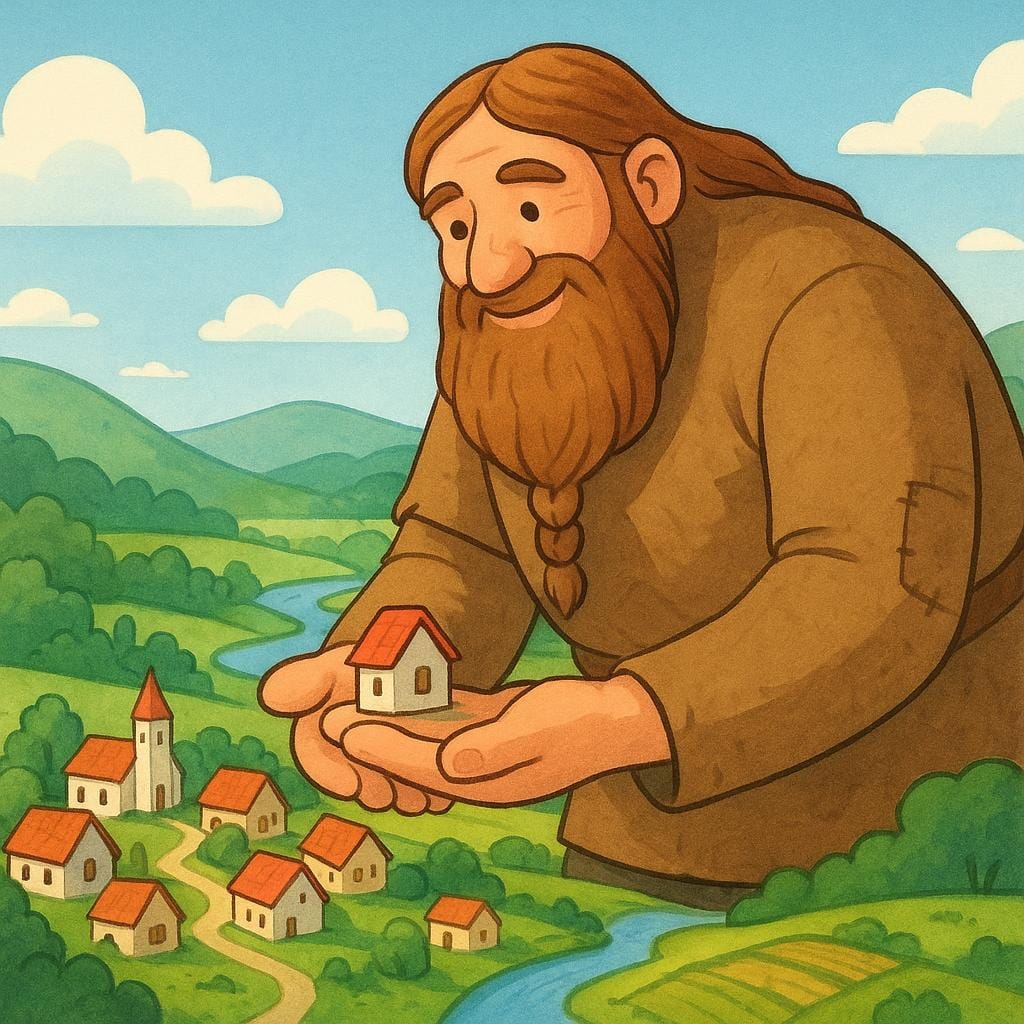
The most common Spanish word for “giant” is “gigante” — use 'gigante' when referring to a mythological, legendary, or fictional being that is exceptionally large.

gigante
hee-GAHN-tehxiˈɣan̪.t̪e
Examples
En el cuento, el valiente pastor derrotó al gigante.
In the story, the brave shepherd defeated the giant.
Los gigantes de la mitología griega eran hijos de la Tierra.
The giants of Greek mythology were children of the Earth.
Gender Flexibility
When referring to a female giant, you can use 'la gigante' or 'la giganta.' 'Giganta' is more common in modern Spanish for the female form.
grandote
gran-DOH-tehɡɾanˈdote

Examples
Ese grandote es el que juega al baloncesto.
That big guy is the one who plays basketball.
No te asustes, es un grandote muy amable.
Don't be scared, he's a very kind big guy.
Mira a ese grandote de allá; es el doble de alto que yo.
Look at that big guy over there; he's twice as tall as me.
Adjective to Noun
In Spanish, you can often take a word that describes something (like 'big') and put 'el' or 'un' in front of it to turn it into a person. 'Un grandote' literally means 'a big one' but refers to a man.
Thinking it's an Insult
Mistake: “Thinking 'grandote' is always rude.”
Correction: While calling someone 'big' can be sensitive, 'grandote' is often used affectionately, like 'big fella.' Just watch your tone of voice!
titán
Examples
Cronos era el titán más famoso de la mitología griega.
Cronus was the most famous titan in Greek mythology.
Gigante vs. Grandote
Related Translations
Learn Spanish with Inklingo
Interactive stories, personalized learning, and more.