How to Say "ashamed" in Spanish
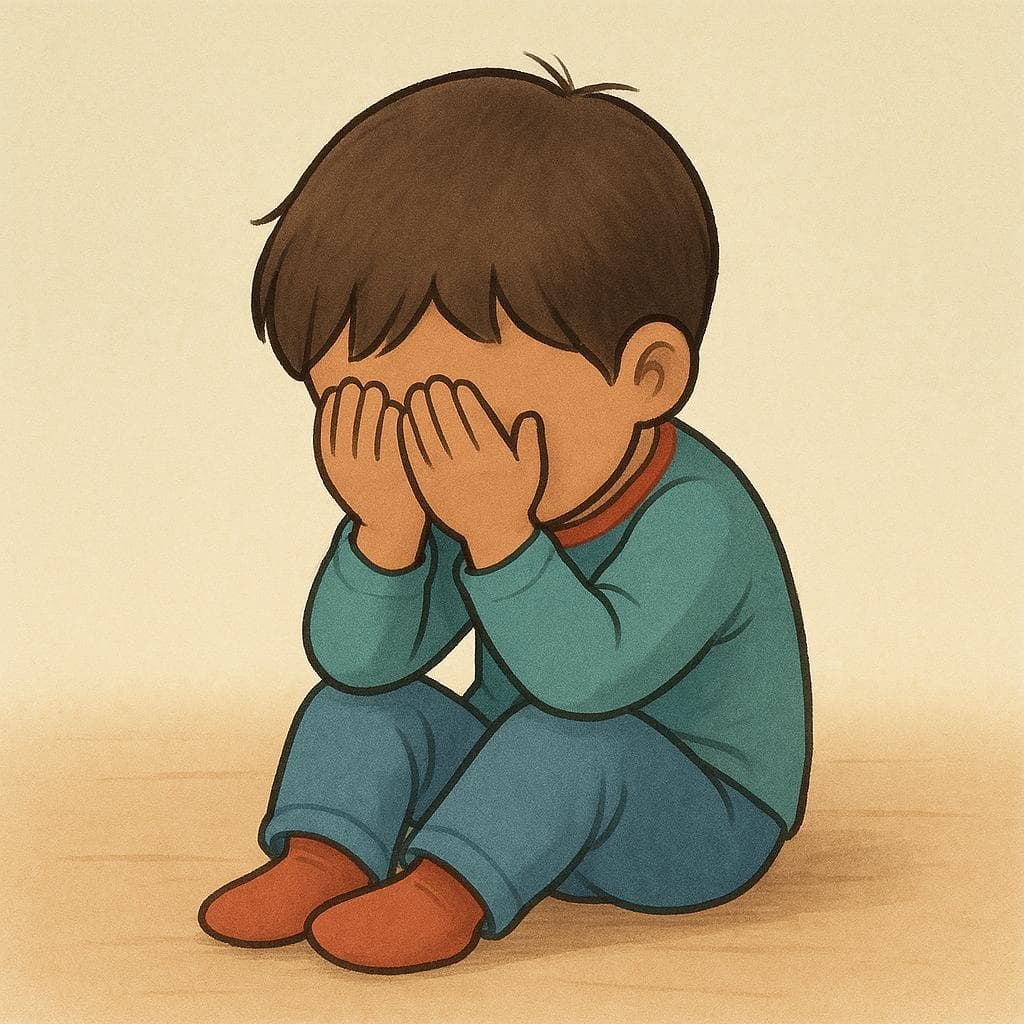
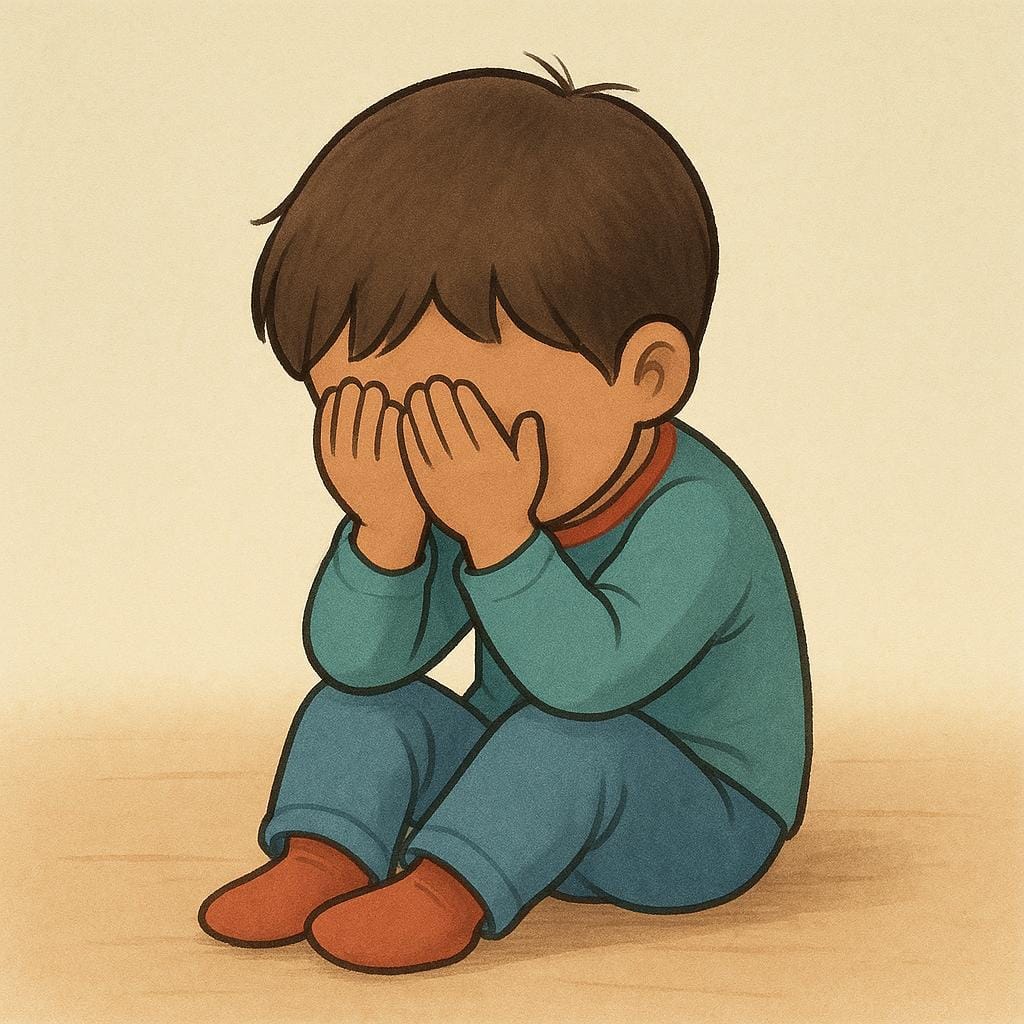
The most common Spanish word for “ashamed” is “avergonzado” — use 'avergonzado' when you feel deep shame or guilt about something you did, especially if others witnessed it, leading to a strong sense of embarrassment.


avergonzado
ah-ver-gon-SAH-doha.βeɾ.ɣonˈsa.ðo
Examples
Estaba muy avergonzado después de caerse frente a todos.
He was very embarrassed after falling in front of everyone.
Ella se sintió avergonzada por el comentario que hizo.
She felt ashamed of the comment she made.
Los niños se quedaron en silencio, avergonzados de su travesura.
The children stayed silent, embarrassed by their mischief.
Adjective Agreement
Since this is an adjective, you must change the ending to match the person or thing you are describing: 'avergonzada' (f), 'avergonzados' (m plural), 'avergonzadas' (f plural).
Mixing up the verbs
Mistake: “Soy avergonzado (Using 'ser')”
Correction: Estoy avergonzado (Using 'estar'). Feeling shame is a temporary emotional state, so you must use the verb 'estar' to describe it.
vergonzoso
vair-gohn-SOH-sohbeɾ.ɣonˈso.so

Examples
Mi hijo es muy vergonzoso y no le gusta hablar en clase.
My son is very shy and doesn't like to speak in class.
Estaba tan vergonzosa que se puso roja.
She was so bashful/ashamed that she turned red.
Cuando le pregunté su nombre, se puso vergonzoso.
When I asked his name, he got shy/embarrassed.
Ser vs. Estar: Personality vs. Feeling
Use 'ser' (Ella es vergonzosa) to describe someone's shy personality. Use 'estar' (Él está vergonzoso) to describe that they are currently feeling ashamed or embarrassed about something.
Confusing 'Shy' and 'Shameful'
Mistake: “Using 'tímido' to describe a shameful event.”
Correction: Tímido only describes people who are shy. Use 'vergonzoso' for both the shy person AND the embarrassing event.
apenado
ah-peh-NAH-dohapeˈnaðo

Examples
No te quedes ahí apenado, ¡pasa y conoce a la familia!
Don't stand there shyly, come in and meet the family!
Me sentí muy apenado cuando se me olvidó tu nombre.
I felt very embarrassed when I forgot your name.
Él estaba apenado por haber llegado tan tarde a la cena.
He was ashamed of having arrived so late to the dinner.
Social Context
This word describes that 'awkward' feeling you get when you've made a mistake or are the center of attention.
The 'Pregnant' Trap
Mistake: “Estoy muy embarazado por mi error.”
Correction: Estoy muy apenado por mi error. 'Embarazado' means pregnant; 'apenado' is the word you want for embarrassed!
Confusing 'Avergonzado' and 'Vergonzoso'
Related Translations
Learn Spanish with Inklingo
Interactive stories, personalized learning, and more.