How to Say "sad" in Spanish
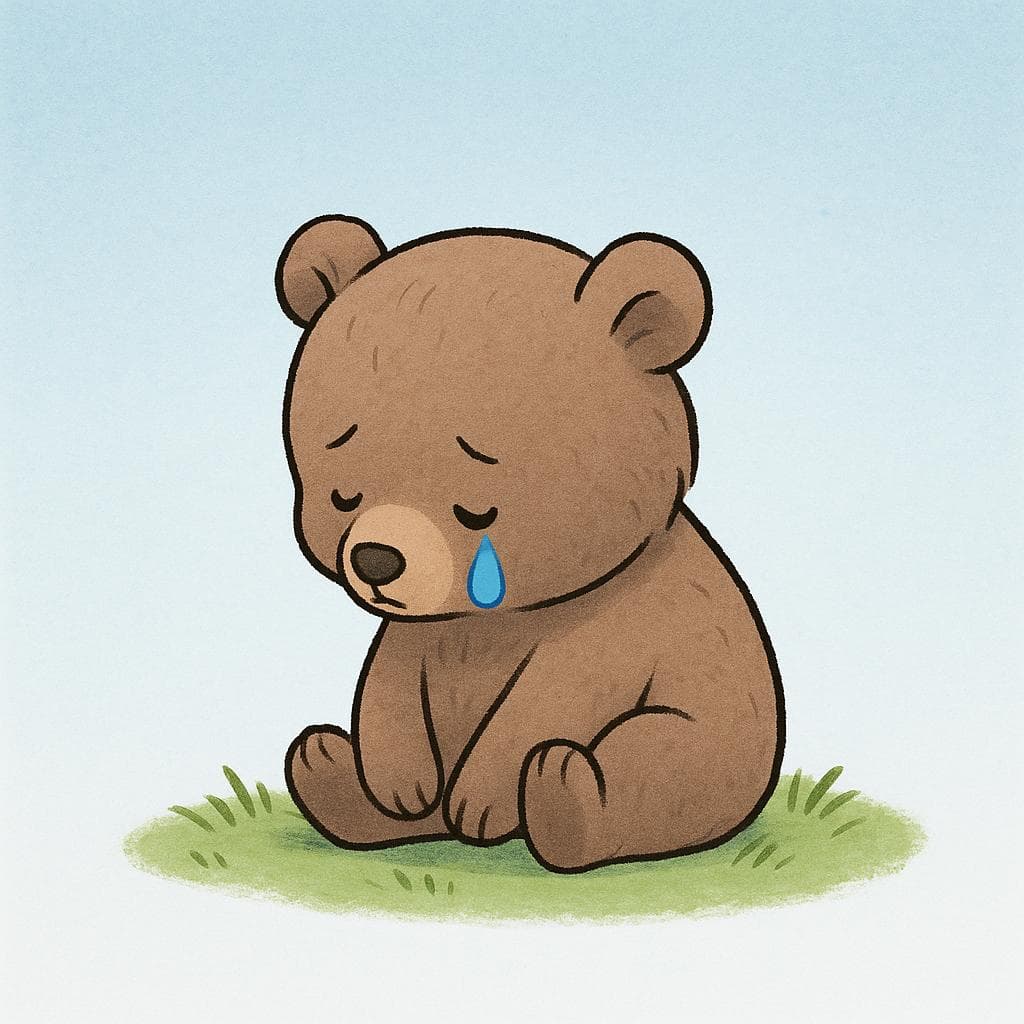
The most common Spanish word for “sad” is “triste” — use 'triste' to describe a general feeling of sadness in a person, or to describe a thing or event that evokes sadness.


triste
TREES-tehˈtɾiste

Examples
Hoy me siento un poco triste.
I feel a little sad today.
¿Por qué estás triste?
Why are you sad?
Ella se puso triste cuando se fue su amigo.
She got sad when her friend left.
Es una historia muy triste.
It's a very sad story.
Using 'Estar' for Feelings
To talk about how someone feels right now, you'll almost always use the verb 'estar' with 'triste'. For example, 'Él está triste' means 'He is sad (at this moment)'.
Using 'Ser' for Characteristics
To describe the basic quality of a thing or situation, use the verb 'ser'. For example, 'La película es triste' means the movie is inherently a sad one.
Same Form for Masculine and Feminine
'Triste' doesn't change for masculine or feminine things. You say 'un libro triste' (a sad book) and 'una película triste' (a sad movie). It always ends in '-e'.
Describing a Feeling vs. a Personality
Mistake: “Using 'ser' for a temporary feeling, like saying 'Soy triste hoy'.”
Correction: Always use 'estar' for temporary feelings: 'Estoy triste hoy'. Using 'ser' ('soy triste') means you are a sad person in general, which is a much stronger statement about your personality.
apenado
ah-peh-NAH-dohapeˈnaðo

Examples
Estoy muy apenado por la muerte de tu gato.
I am very sorry about the death of your cat.
Ella se siente apenada por no haber podido ir a tu fiesta.
She feels bad for not being able to go to your party.
Nos quedamos apenados al ver las noticias del desastre.
We were saddened to see the news about the disaster.
Use with 'Estar'
Since being 'apenado' is a temporary feeling or mood, we always use it with the verb 'estar' (to be) rather than 'ser'.
Matching Gender
Remember that this word must match the person feeling the emotion. A man says 'estoy apenado,' while a woman says 'estoy apenada'.
Feeling vs. Being
Mistake: “Soy apenado por las noticias.”
Correction: Estoy apenado por las noticias. Use 'estar' for temporary emotions.
penoso
peh-NOH-sohpeˈnoso
Examples
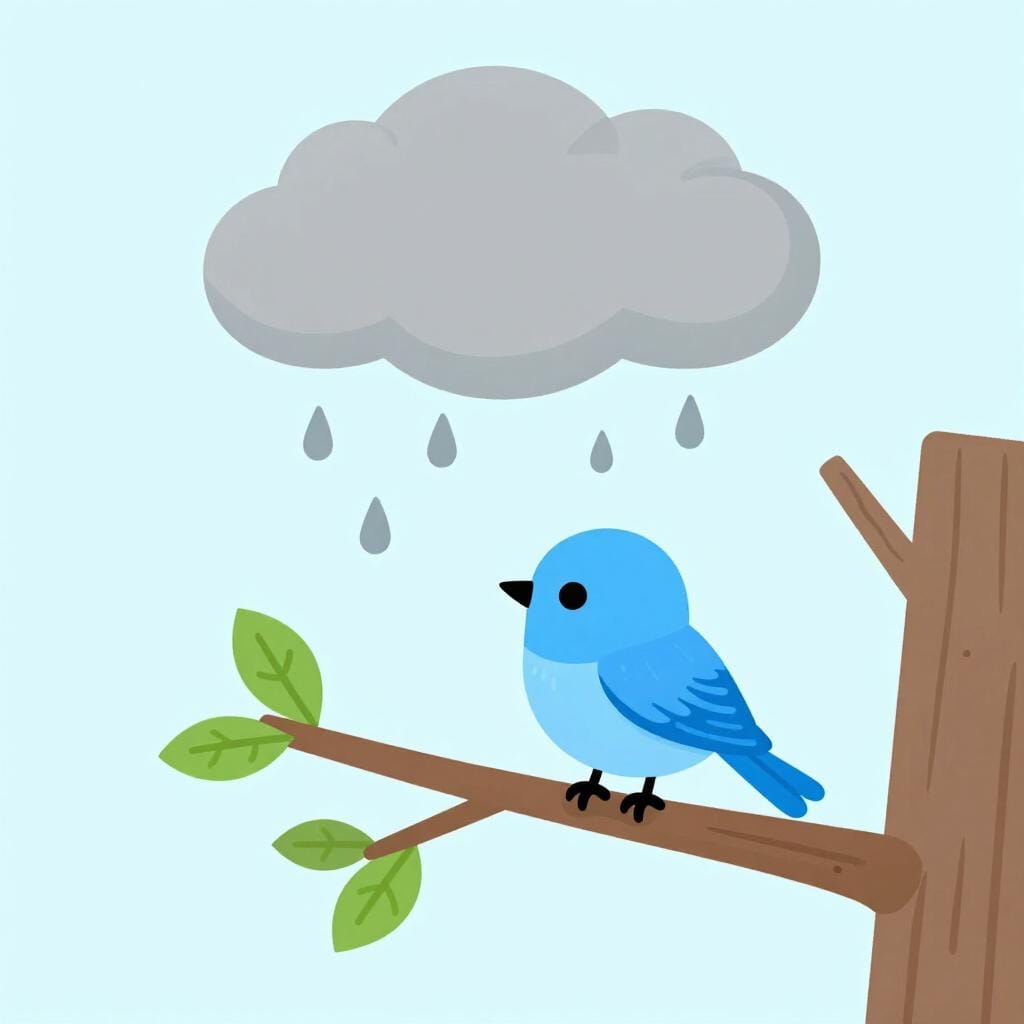
Es penoso ver cómo ha quedado la ciudad tras la tormenta.
It is sad to see how the city looks after the storm.
Fue un momento muy penoso cuando se le olvidó el discurso.
It was a very embarrassing moment when he forgot his speech.
Su comportamiento en la reunión fue realmente penoso.
His behavior at the meeting was truly pitiful.
Matching Gender and Number
Remember to change the ending to 'penosa' for feminine items (una noticia penosa) and add an 's' for plural items (momentos penosos).
Using with 'Ser'
Use the verb 'ser' (to be) when describing a situation that is inherently sad or embarrassing, like 'Es penoso' (It's embarrassing).
Sad vs. Shy
Mistake: “Using 'penoso' to mean 'shy' in Spain.”
Correction: In Spain, use 'tímido'. In Mexico and parts of Latin America, 'penoso' is perfectly fine for 'shy'!
gris
greesɡɾis
Examples
Últimamente, su vida se ha vuelto muy gris.
Lately, his life has become very dull/monotonous.
Tras la derrota, el ambiente en el vestuario era gris.
After the defeat, the atmosphere in the locker room was gloomy.
General Sadness vs. Specific Situations
Related Translations
Learn Spanish with Inklingo
Interactive stories, personalized learning, and more.