How to Say "dismal" in Spanish
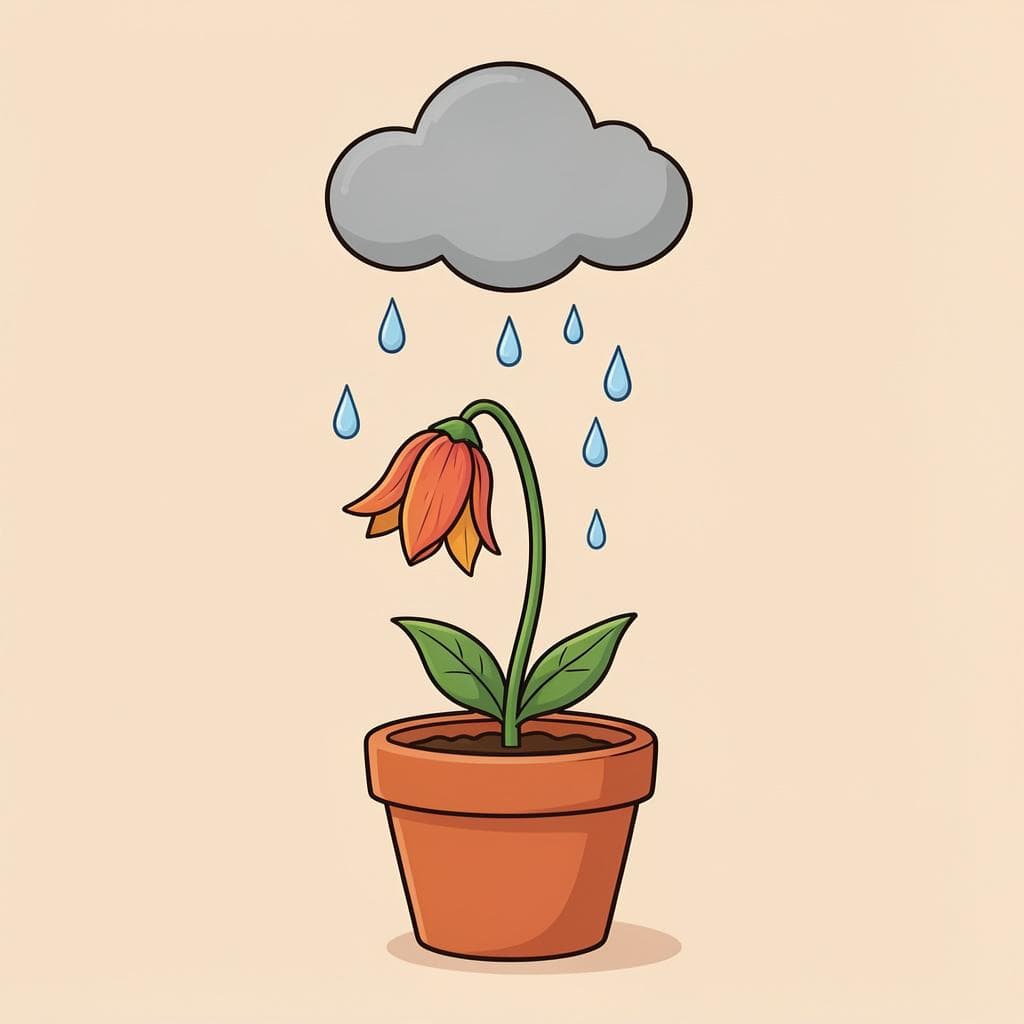
The most common Spanish word for “dismal” is “triste” — use this word when 'dismal' simply means sad or unhappy, often referring to an outlook or a general feeling.



triste
TREES-tehˈtɾiste

Examples
Es una perspectiva muy triste para el futuro.
It's a very dismal outlook for the future.
Es una historia muy triste.
It's a very sad story.
No me gustan los días tristes y grises.
I don't like sad, gray days.
Fue un triste final para un gran equipo.
It was a sad ending for a great team.
Using 'Ser' for Characteristics
To describe the basic quality of a thing or situation, use the verb 'ser'. For example, 'La película es triste' means the movie is inherently a sad one.
Same Form for Masculine and Feminine
'Triste' doesn't change for masculine or feminine things. You say 'un libro triste' (a sad book) and 'una película triste' (a sad movie). It always ends in '-e'.
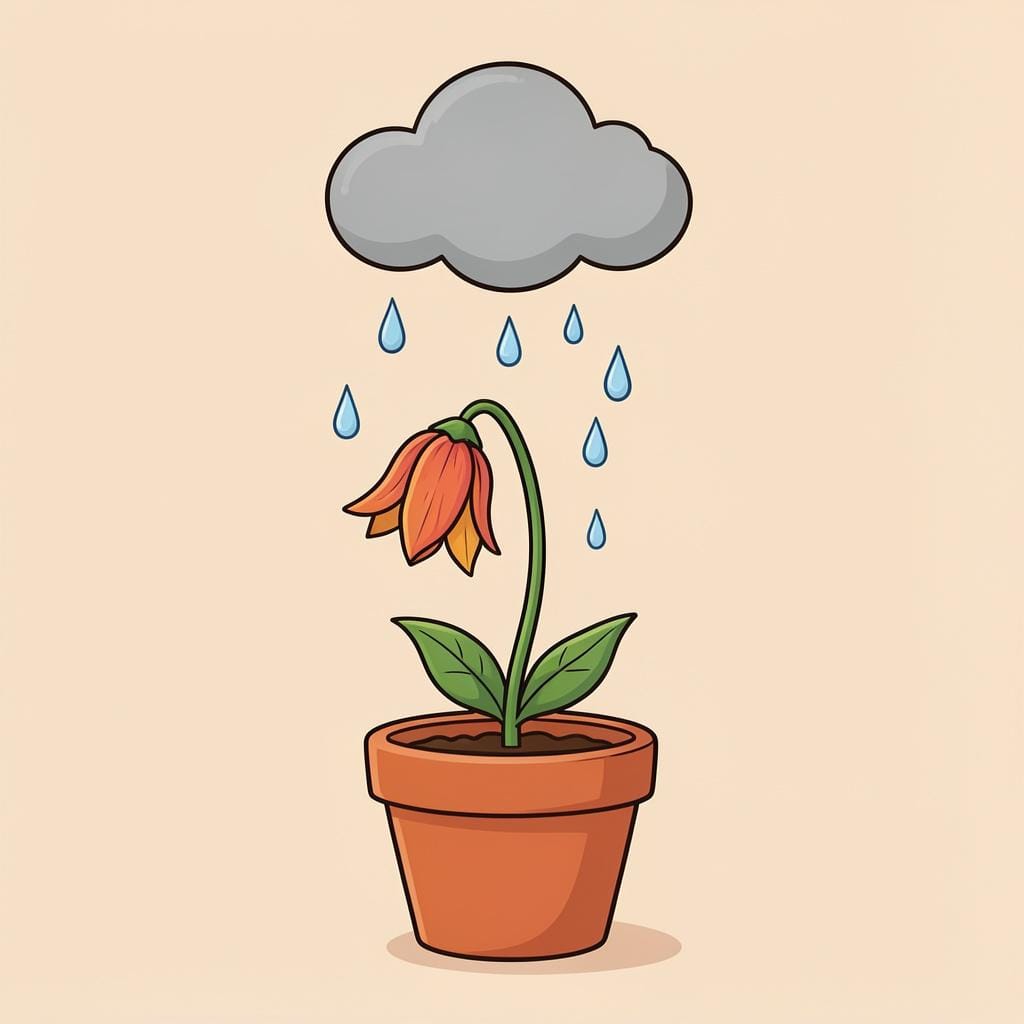
deprimente
deh-pree-MEHN-tehdepɾiˈmente
Examples
Las condiciones de vida allí son deprimentes.
The living conditions there are dismal.
Es deprimente ver la ciudad tan vacía.
It is depressing to see the city so empty.
La película tuvo un final muy deprimente.
The movie had a very depressing ending.
No quiero vivir en un lugar tan deprimente.
I don't want to live in such a gloomy place.
One size fits all
This word doesn't change based on gender. Whether you are describing a 'libro' (masculine) or a 'película' (feminine), you always use 'deprimente'.
The 'Depressing' vs. 'Depressed' Trap
Mistake: “Using 'deprimente' to say you are feeling sad.”
Correction: Use 'deprimido' for people's feelings and 'deprimente' for the thing that causes the feeling. Say 'Estoy deprimido' (I am depressed), but 'La noticia es deprimente' (The news is depressing).
sombrío
som-BREE-ohsomˈbɾi.o

Examples
Su rostro tenía una expresión sombría tras la reunión.
His face had a dismal expression after the meeting.
Tenía un semblante sombrío después de recibir la noticia.
He had a somber expression after receiving the news.
El futuro de la empresa parece un poco sombrío.
The future of the company looks a bit dismal.
Su humor siempre es sombrío por las mañanas.
His mood is always gloomy in the mornings.
Using with 'Ser' vs 'Estar'
Use 'ser' to describe a person's permanent personality (Es sombrío) and 'estar' to describe a temporary mood (Está sombrío hoy).
Literal Translation Error
Mistake: “Él es muy sombra.”
Correction: Él es muy sombrío. ('Sombra' is the noun shadow; 'sombrío' is the description for a person).
fúnebre
FOO-neh-brehˈfunebɾe

Examples
El tiempo estaba fúnebre, con lluvia constante.
The weather was dismal, with constant rain.
Había un silencio fúnebre en la oficina después de la noticia.
There was a gloomy (grave) silence in the office after the news.
El viejo caserón tenía un aspecto fúnebre bajo la lluvia.
The old mansion had a dismal look under the rain.
Figurative Use
When used figuratively, it describes a feeling so sad or quiet that it reminds one of a funeral.
Sad vs. Depressing
Related Translations
Learn Spanish with Inklingo
Interactive stories, personalized learning, and more.