How to Say "miserable" in Spanish
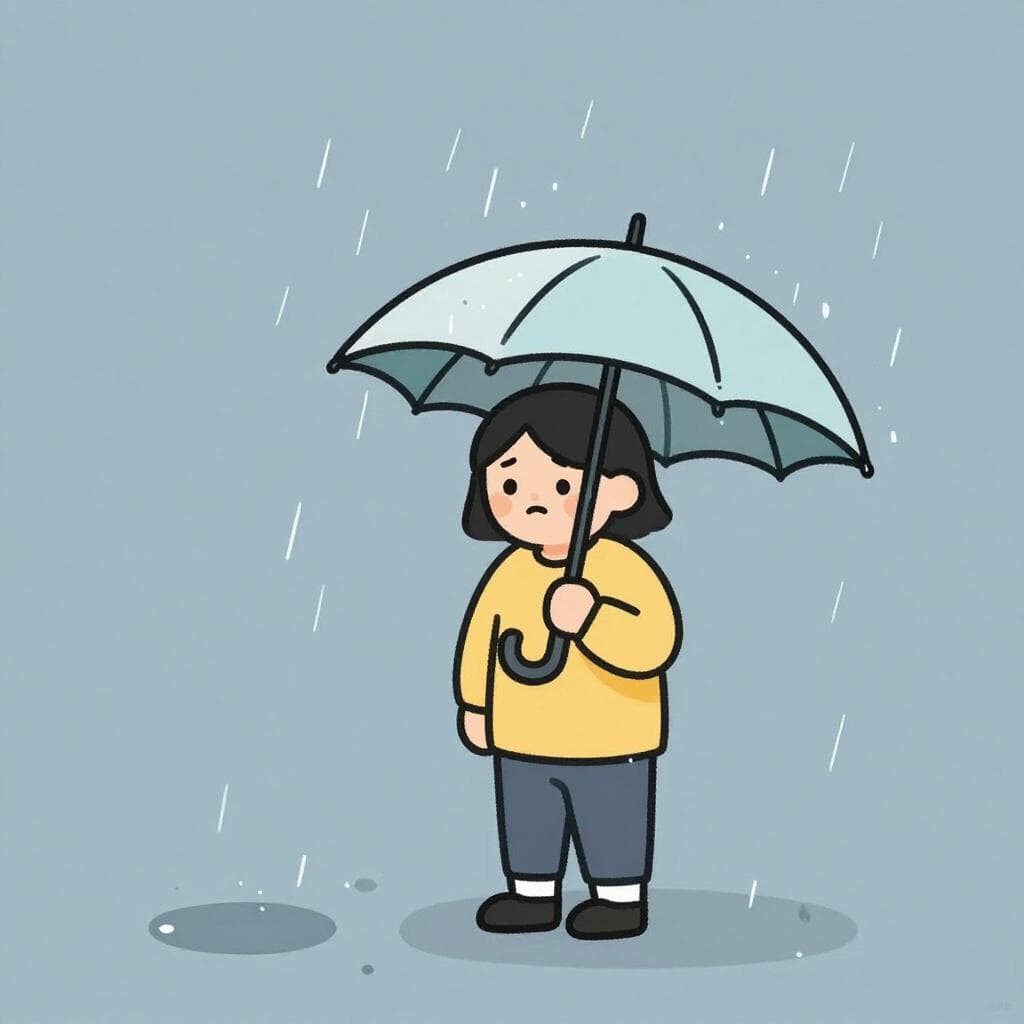
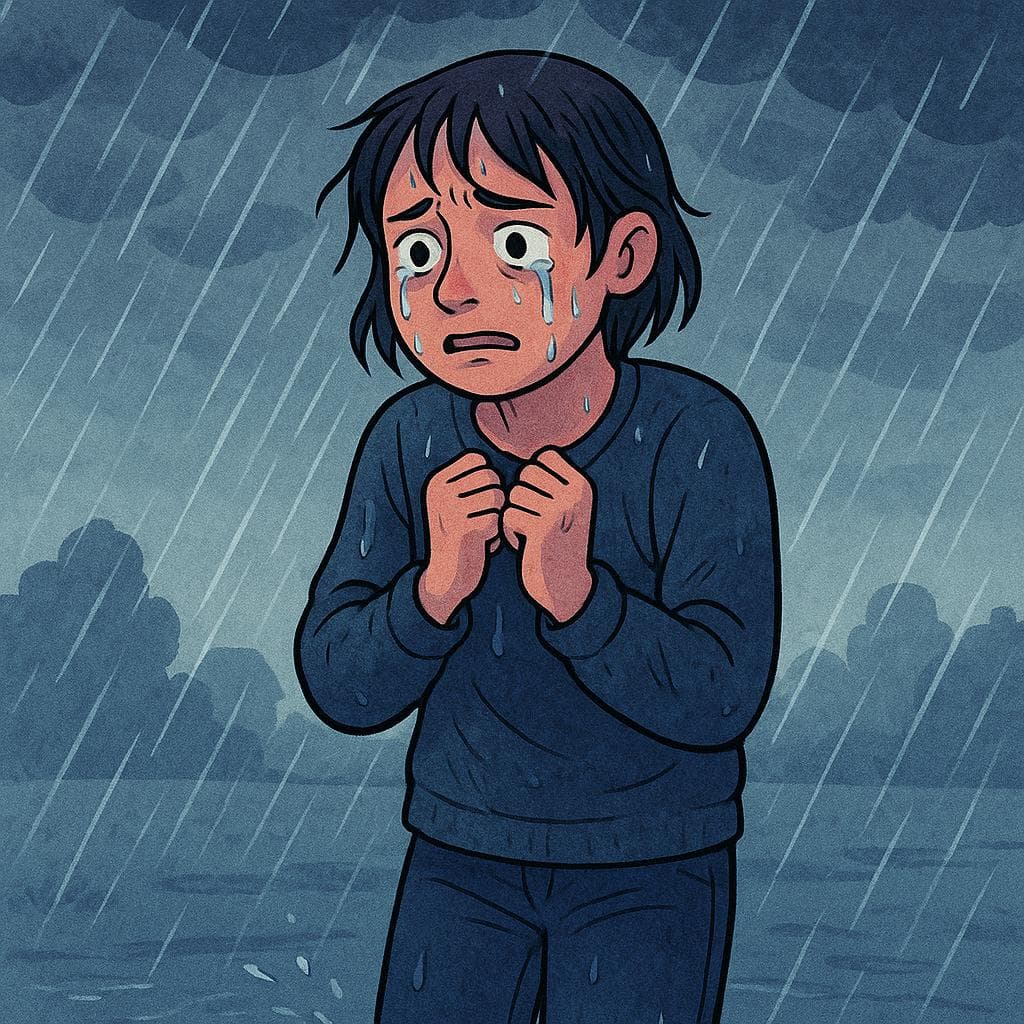
The most common Spanish word for “miserable” is “triste” — use 'triste' when 'miserable' describes a general state of unhappiness, sadness, or a negative outcome.




triste
TREES-tehˈtɾiste

Examples
Es una historia muy triste.
It's a very sad story.
No me gustan los días tristes y grises.
I don't like sad, gray days.
Fue un triste final para un gran equipo.
It was a sad ending for a great team.
Using 'Ser' for Characteristics
To describe the basic quality of a thing or situation, use the verb 'ser'. For example, 'La película es triste' means the movie is inherently a sad one.
Same Form for Masculine and Feminine
'Triste' doesn't change for masculine or feminine things. You say 'un libro triste' (a sad book) and 'una película triste' (a sad movie). It always ends in '-e'.
infeliz
een-feh-LEEZinfeˈliθ

Examples
Después de perder su trabajo, se sintió muy infeliz durante meses.
After losing his job, he felt very unhappy for months.
Ella era una niña infeliz, siempre sola en el recreo.
She was an unhappy child, always alone during recess.
Adjective Agreement (Gender)
Since 'infeliz' ends in 'z', it is the same for both masculine and feminine people and things (e.g., 'el hombre infeliz' and 'la mujer infeliz').
Adjective Agreement (Plural)
To make it plural, you change the 'z' to 'c' and add 'es': 'infeliz' becomes 'infelices' (e.g., 'las personas infelices').
miserable
mee-seh-RAH-blehmi.seˈɾa.βle

Examples
Estaba tan miserable después de que su perro se fue.
She was so miserable after her dog left.
No te sientas miserable por un pequeño error.
Don't feel miserable about a small mistake.
Gender Consistency
Since 'miserable' ends in '-e', it doesn't change based on whether the person is masculine or feminine (e.g., 'el hombre miserable' and 'la mujer miserable').
Confusing with 'poor'
Mistake: “Using 'pobre' when you mean emotionally wretched.”
Correction: 'Pobre' usually means lacking money. If you mean 'unhappy,' use 'miserable' or 'infeliz'.
amargado
ah-mar-GAH-dohamaɾˈɡaðo

Examples
No seas tan amargado, ¡disfruta de la fiesta!
Don't be such a sourpuss, enjoy the party!
Se siente amargado porque nunca cumplió sus sueños.
He feels bitter because he never fulfilled his dreams.
Su divorcio lo dejó muy amargado.
His divorce left him very resentful.
Choosing Between Ser and Estar
Use 'ser' if the person is generally bitter as a personality trait. Use 'estar' if they are feeling bitter right now because of a specific event.
Matching the Person
The ending must change to match the person you are describing: 'amargado' (man), 'amargada' (woman), 'amargados' (men/mixed group), or 'amargadas' (women).
Don't confuse with 'amargo'
Mistake: “Este café está muy amargado.”
Correction: Este café está muy amargo. Use 'amargo' for food/flavors and 'amargado' for people's feelings.
desgraciados
dess-gra-syah-dohssdesɣɾaˈsjaðos
Examples
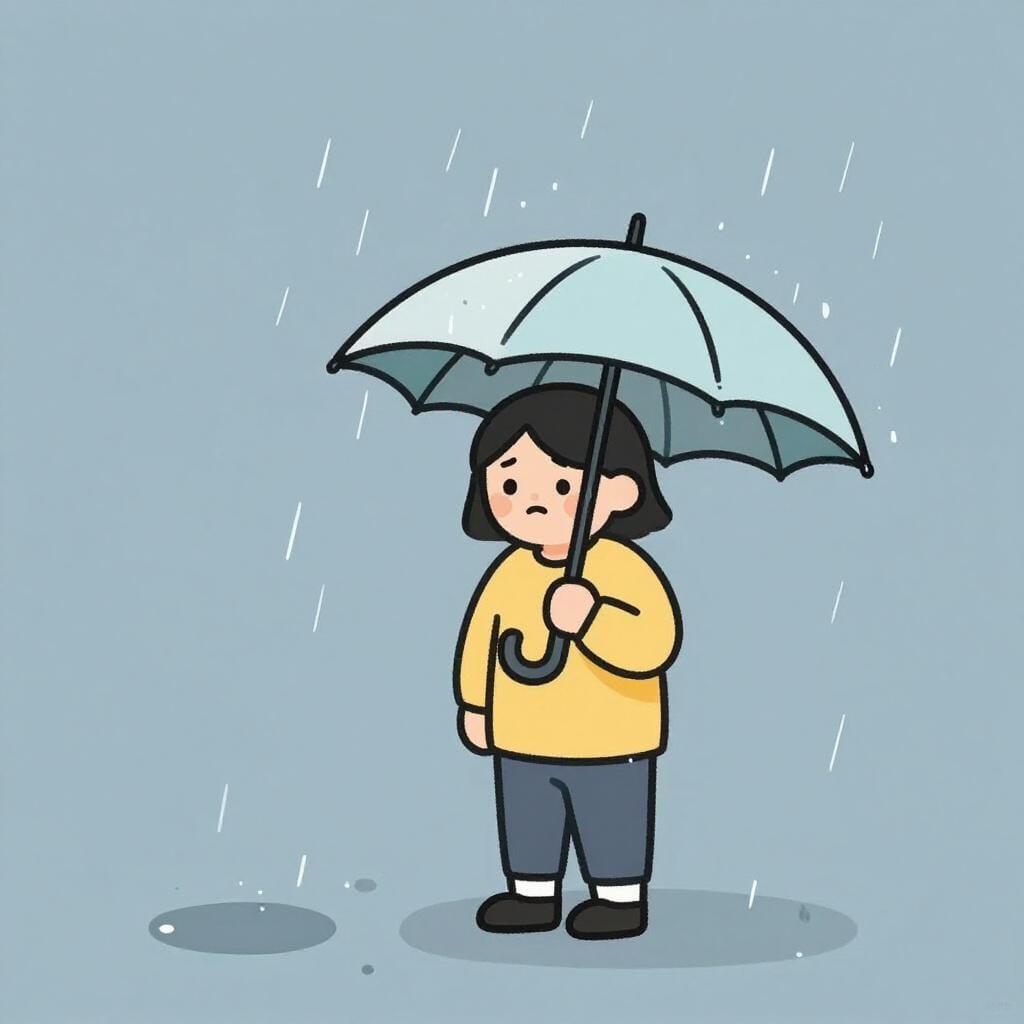
Los pobres desgraciados perdieron su casa en la tormenta.
The poor unfortunate souls lost their house in the storm.
Son unos hombres desgraciados que no tienen dónde vivir.
They are unlucky men who have nowhere to live.
Adjectives as Nouns
In Spanish, you can turn this describing word into a name for a group of people just by adding 'the' (los) or 'some' (unos) in front.
patético
Examples
Su excusa para llegar tarde fue completamente patética.
His excuse for being late was completely pathetic (ridiculous).
perra
PEH-rrah'pera
Examples
Tuve una jaqueca perra todo el día de ayer.
I had a terrible migraine all day yesterday.
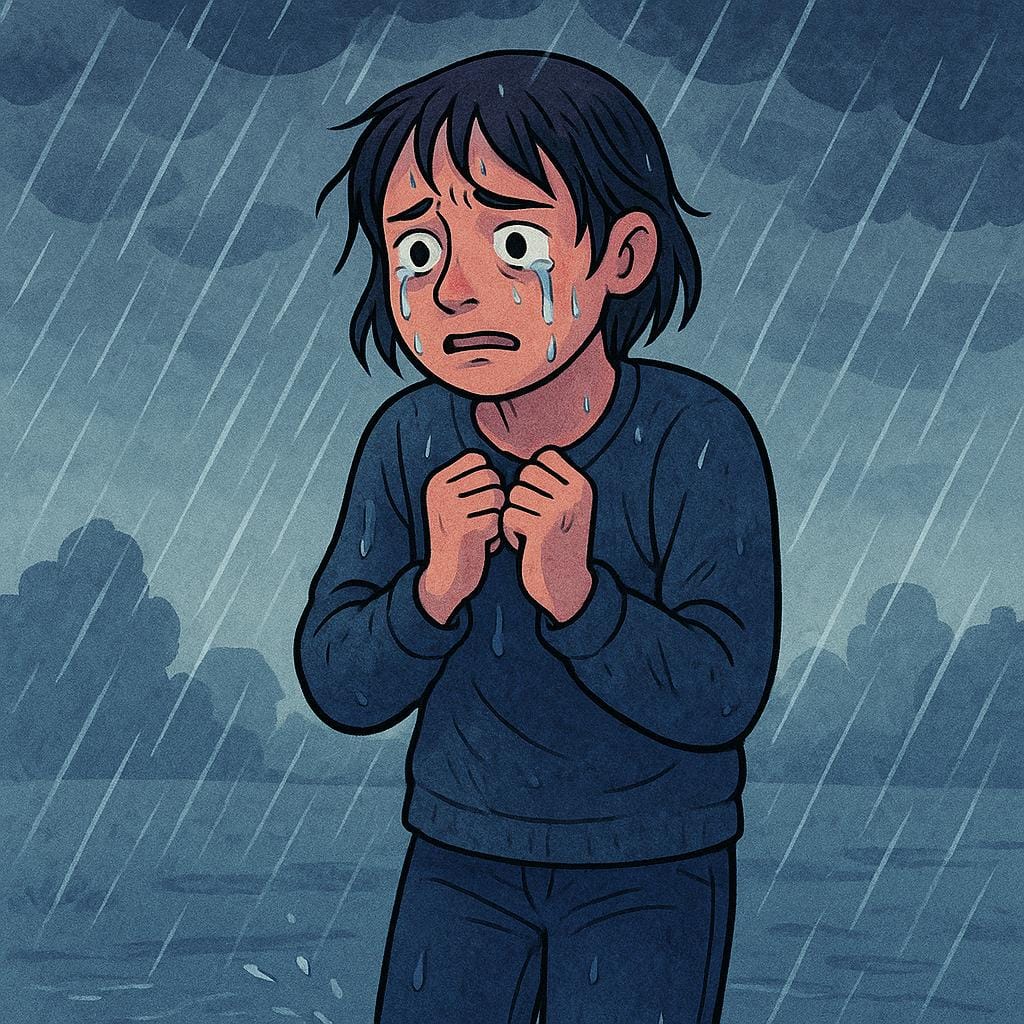
¡Qué vida más perra! Nada me sale bien.
What a miserable life! Nothing is going right for me.
Adjective Agreement
When used this way, 'perra' is an adjective and must match the gender of the thing it describes. For a feminine noun use 'perra' (una noche perra), and for a masculine noun use 'perro' (un día perro).
Distinguishing Sadness from Attitude
Related Translations
Learn Spanish with Inklingo
Interactive stories, personalized learning, and more.