miserable
“miserable” means “miserable” in Spanish. It has 3 different meanings depending on context:
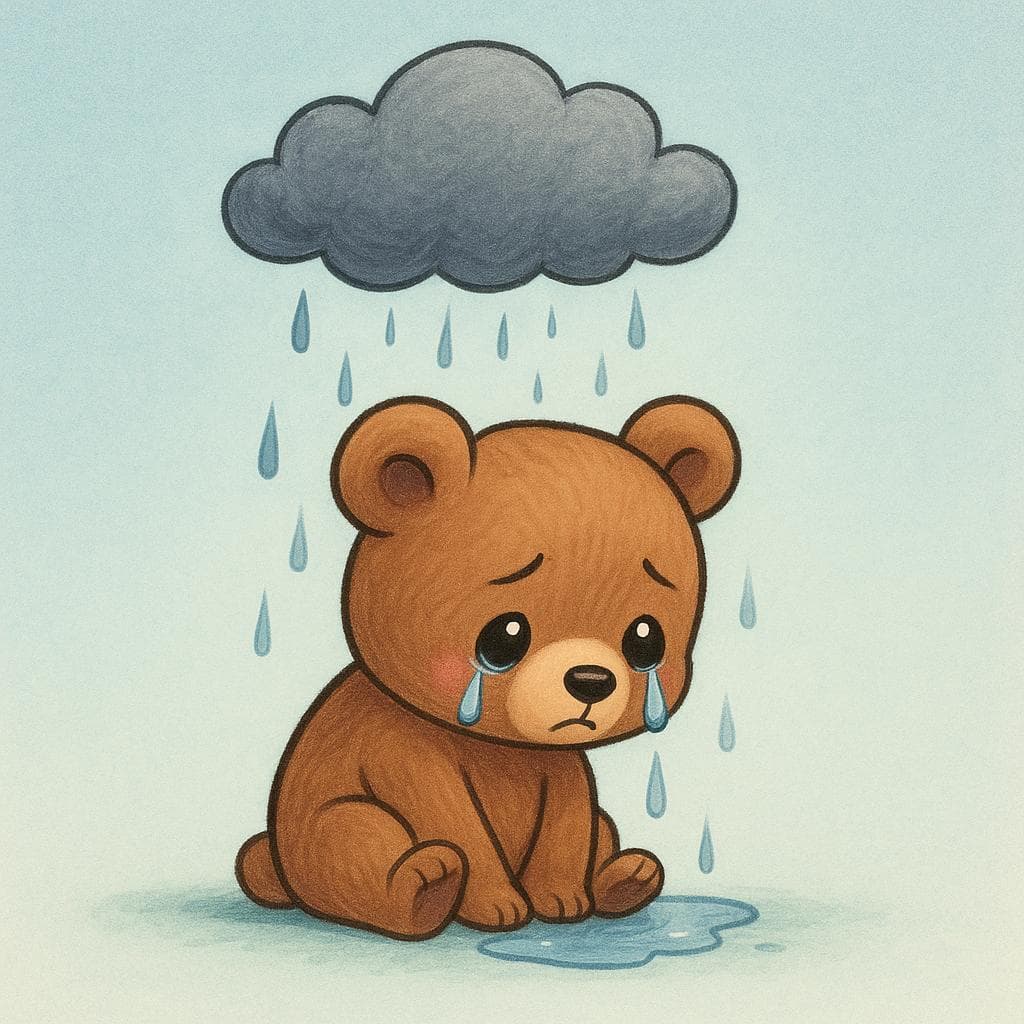


miserable, wretchedAlso: pitiable
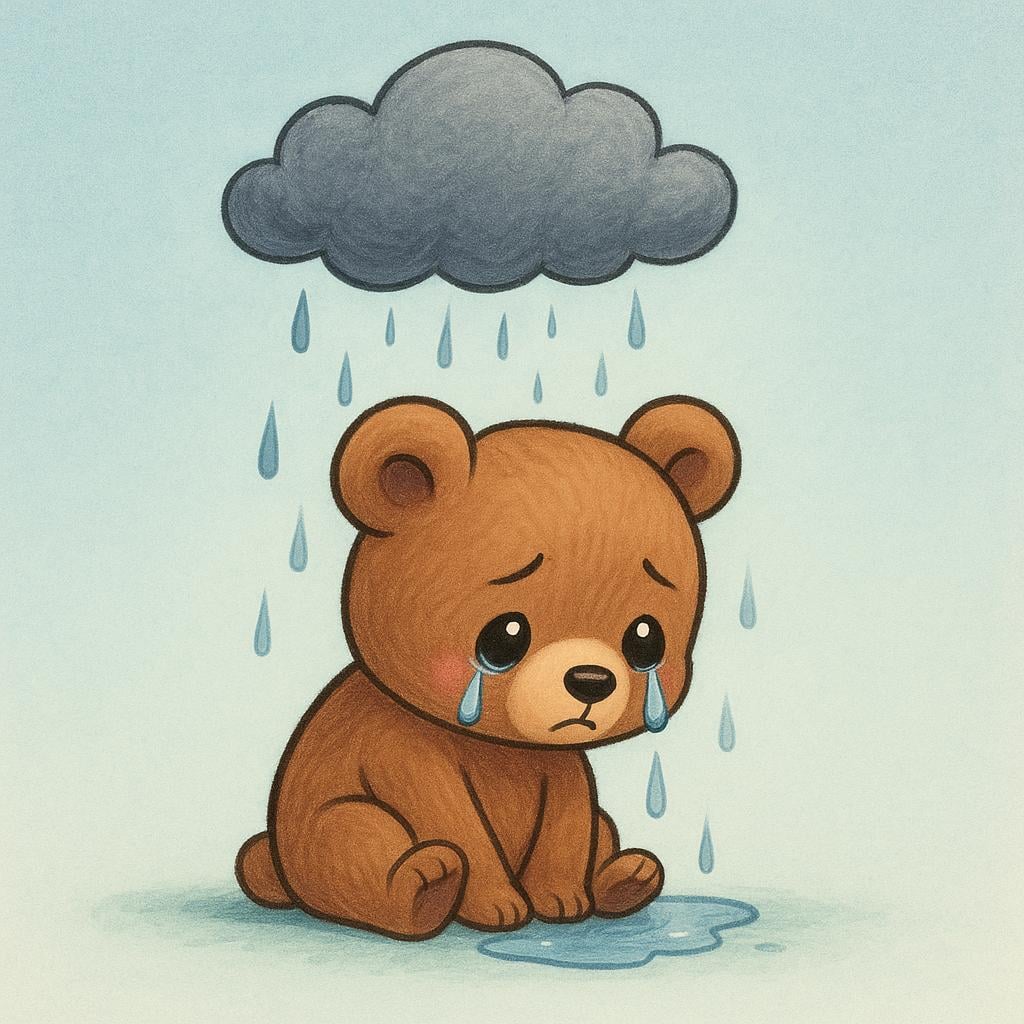
📝 In Action
Estaba tan miserable después de que su perro se fue.
A2She was so miserable after her dog left.
No te sientas miserable por un pequeño error.
B1Don't feel miserable about a small mistake.
Word Connections
meager, poorAlso: scanty

📝 In Action
El salario que me ofrecieron era realmente miserable.
B1The salary they offered me was truly miserable (meager/inadequate).
Vivían en condiciones miserables, sin agua potable.
B2They lived in wretched conditions, without drinking water.
Word Connections
despicable, mean-spiritedAlso: scoundrel

📝 In Action
Solo un miserable haría algo tan cruel.
B2Only a despicable person (a scoundrel) would do something so cruel.
No seas tan miserable y comparte tus galletas.
C1Don't be so mean-spirited (or stingy) and share your cookies.
Word Connections
Translate to Spanish
Words that translate to "miserable" in Spanish:
✏️ Quick Practice
Quick Quiz: miserable
Question 1 of 2
Which sentence uses 'miserable' to mean 'inadequate' or 'meager'?
📚 More Resources
👥 Word Family
🎵 Rhymes
📚 Etymology
The word comes directly from the Latin *miserabilis*, meaning 'pitiable' or 'wretched.' It is closely related to the Latin word *miser*, meaning 'unhappy' or 'poor.' The concept has always been tied to suffering, poverty, and unhappiness.
First recorded: 13th century
Cognates (Related words)
💡 Master Spanish
Take your Spanish to the next level. Read 200+ illustrated and narrated Spanish stories tailored to your level with the Inklingo app!
Frequently Asked Questions
Does 'miserable' change for masculine and feminine nouns?
No. Since 'miserable' ends in the letter 'e,' it is one of those helpful adjectives that stays the same for both men and women (e.g., 'el niño miserable' and 'la niña miserable'). However, it does change for plural: 'miserables'.
Is 'miserable' stronger than 'triste' (sad)?
Yes, much stronger. 'Triste' means sad. 'Miserable' implies a deep, wretched, or desperate state of unhappiness, or refers to conditions that are extremely poor.