noble
“noble” means “noble” in Spanish. It has 2 different meanings depending on context:
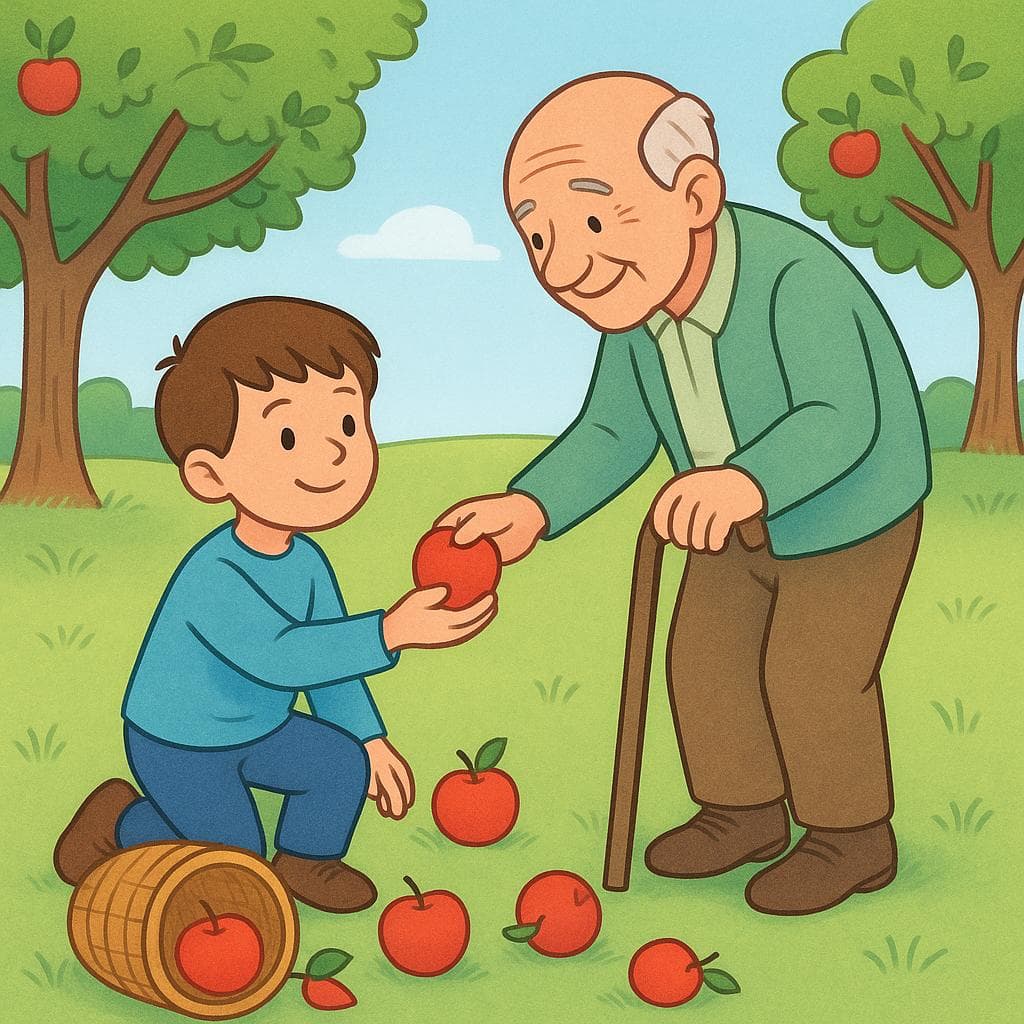

noble, generousAlso: upright

📝 In Action
Fue un gesto muy noble de su parte ayudar a los más necesitados.
B1It was a very noble gesture on his part to help those most in need.
Mi perro es muy noble y nunca muerde a nadie.
A2My dog is very gentle/kind-hearted and never bites anyone.
Ella tiene un corazón noble; siempre perdona los errores de los demás.
A2She has a noble heart; she always forgives the mistakes of others.
Word Connections
aristocraticAlso: fine, patrician

📝 In Action
La familia noble vivía en un castillo antiguo.
B2The noble family lived in an old castle.
La madera noble de roble se usó para construir el palacio.
C1Fine oak wood was used to build the palace.
Word Connections
Translate to Spanish
✏️ Quick Practice
Quick Quiz: noble
Question 1 of 1
Which sentence uses 'noble' to describe the social rank, not the moral character?
📚 More Resources
👥 Word Family
📚 Etymology
Comes directly from the Latin word *nobilis*, meaning 'well-known,' 'famous,' or 'of high birth.' Over time, the meaning evolved to include the idea of high moral character.
First recorded: 13th century
Cognates (Related words)
💡 Master Spanish
Take your Spanish to the next level. Read 200+ illustrated and narrated Spanish stories tailored to your level with the Inklingo app!
Frequently Asked Questions
Does 'noble' change based on whether the person is male or female?
No. Because 'noble' ends in an -e, it is one of the Spanish adjectives that stays the same for both masculine and feminine nouns. You say 'un hombre noble' and 'una mujer noble'.
How is 'noble' different from 'honesto' (honest)?
'Honesto' specifically means truthful and sincere. 'Noble' is broader; it means having a high moral standard, which includes honesty, but also includes generosity, honor, and kindness.