How to Say "generous" in Spanish
The most common Spanish word for “generous” is “generoso” — use this word when someone is freely giving their time, money, or possessions to others, often with a sense of kindness.

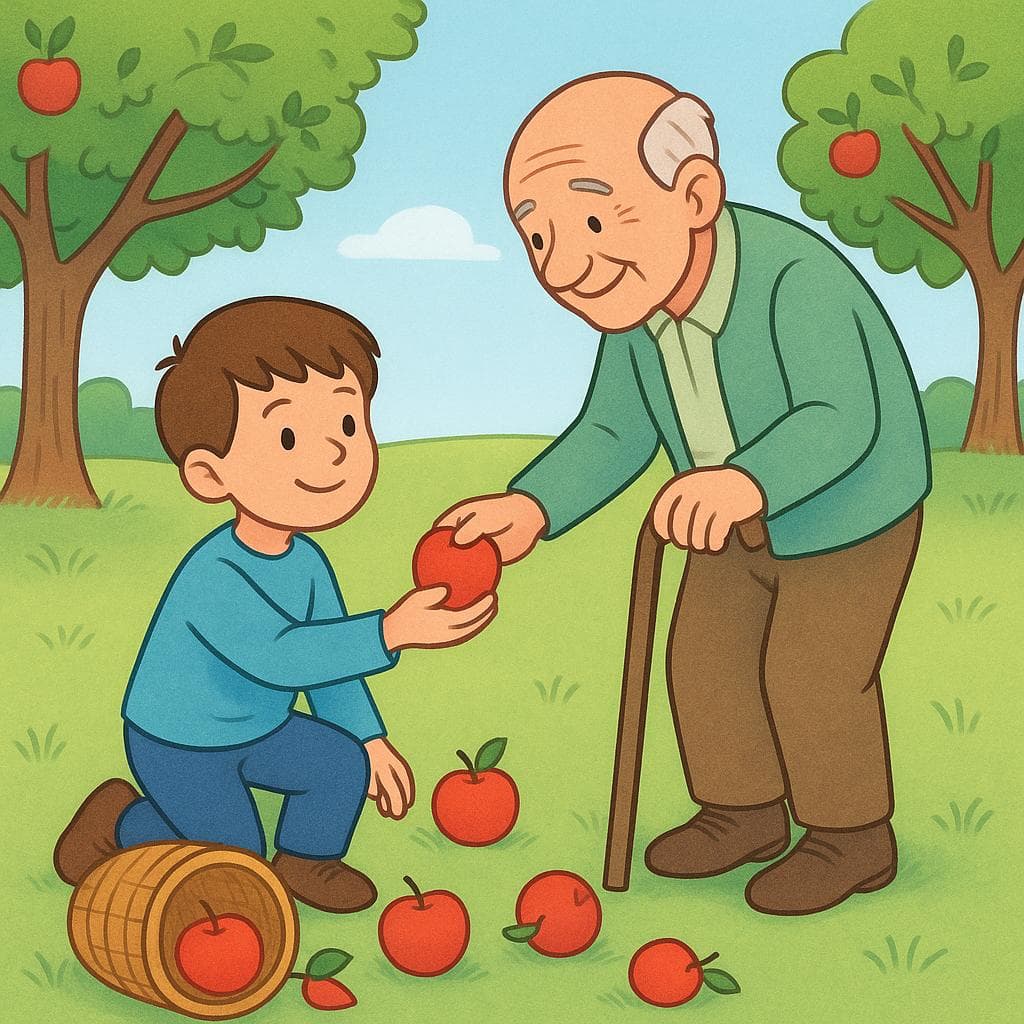


generoso
heh-neh-ROH-sohxe.neˈɾo.so

Examples
Mi hermana es muy generosa y siempre comparte sus dulces.
My sister is very generous and always shares her candy.
Necesitas ser más generoso con tu tiempo si quieres ayudar a la comunidad.
You need to be more generous with your time if you want to help the community.
Matching Gender and Number
Remember that 'generoso' describes a masculine singular person or thing. If you are describing a woman, use 'generosa'. For groups, use 'generosos' (mixed or all male) or 'generosas' (all female).
Mixing up the Noun and Adjective
Mistake: “La generosidad persona.”
Correction: La persona generosa. ('Generoso' is the describing word (adjective) and usually comes after the person/thing (noun).)
espléndido
Examples
Mi abuelo fue muy espléndido con sus regalos de Navidad.
My grandfather was very generous with his Christmas gifts.
noble
NO-blehˈnoβle
Examples
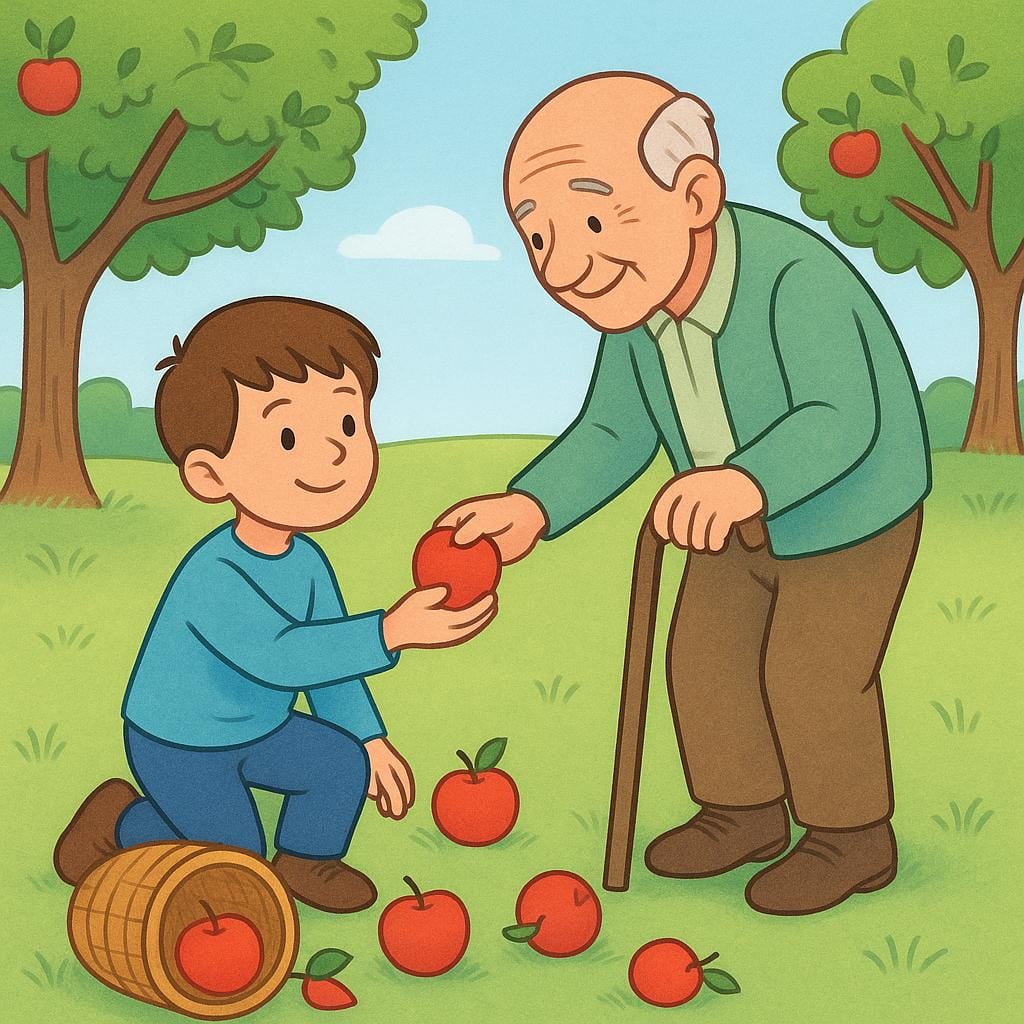
Fue un gesto muy noble de su parte ayudar a los más necesitados.
It was a very noble gesture on his part to help those most in need.
Mi perro es muy noble y nunca muerde a nadie.
My dog is very gentle/kind-hearted and never bites anyone.
Ella tiene un corazón noble; siempre perdona los errores de los demás.
She has a noble heart; she always forgives the mistakes of others.
Adjective Form
Since 'noble' ends in the letter -e, it is one of the adjectives that stays the same whether the noun it describes is masculine or feminine (e.g., 'el hombre noble' and 'la mujer noble').
liberal
lee-beh-RAHLli.βeˈɾal

Examples
Fue muy liberal con las propinas durante su viaje.
He was very generous with tips during his trip.
Sirvieron una ración liberal de comida.
They served a liberal (abundant) portion of food.
Context is Key
This meaning is quite formal. In 90% of cases, Spanish speakers will use 'generoso' instead.
largo
LAR-goˈlaɾɣo

Examples
El vestido es demasiado largo para mí.
The dress is too long for me.
Fue un invierno largo y frío.
It was a long and cold winter.
Me sirvió una porción muy larga de pastel.
He served me a very generous portion of cake.
Matching the Thing It Describes
'Largo' changes to match the gender and number of the noun it describes. Use 'largo' for masculine things (un camino largo), 'larga' for feminine things (una calle larga), 'largos' for masculine plural (caminos largos), and 'largas' for feminine plural (calles largas).
False Friend Alert: 'largo' is NOT 'large'
Mistake: “Quiero una pizza largo. (Trying to say 'I want a large pizza.')”
Correction: This is a very common mix-up! 'Largo' means long, not large. To say 'large' or 'big', you must use the word 'grande'. Correct: 'Quiero una pizza grande'.
Generoso vs. Espléndido
Related Translations
Learn Spanish with Inklingo
Interactive stories, personalized learning, and more.