How to Say "noble" in Spanish
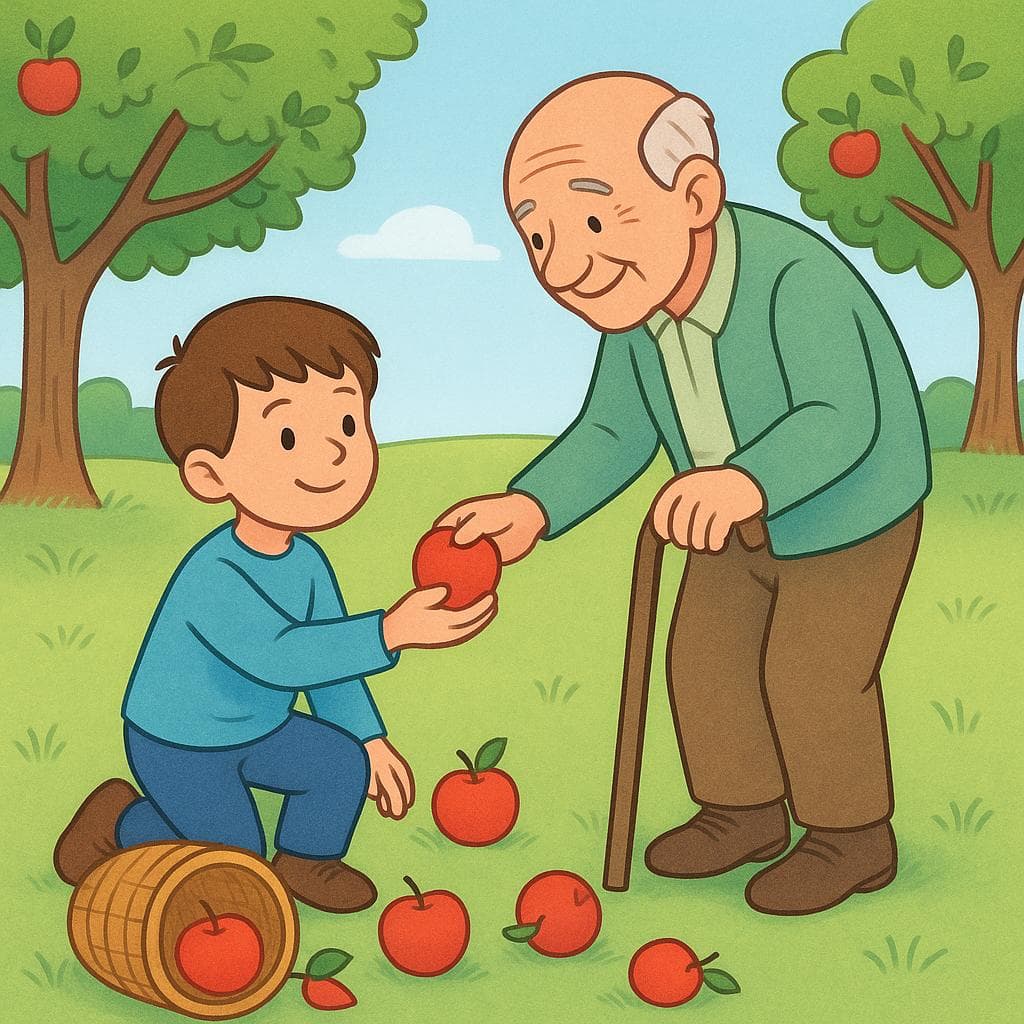
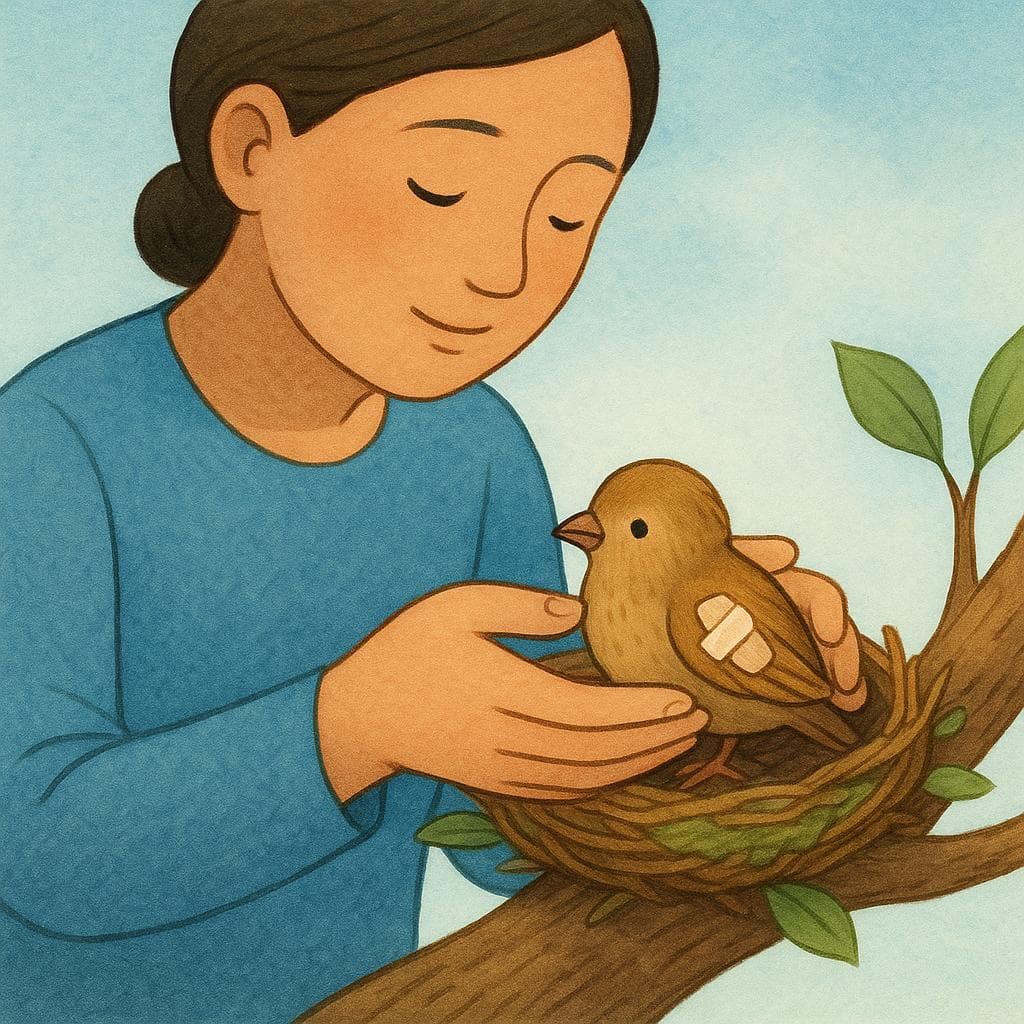
The most common Spanish word for “noble” is “noble” — use this word when referring to someone or something that is honorable, upright, and possesses high moral principles, similar to the English usage.


noble
NO-blehˈnoβle
Examples
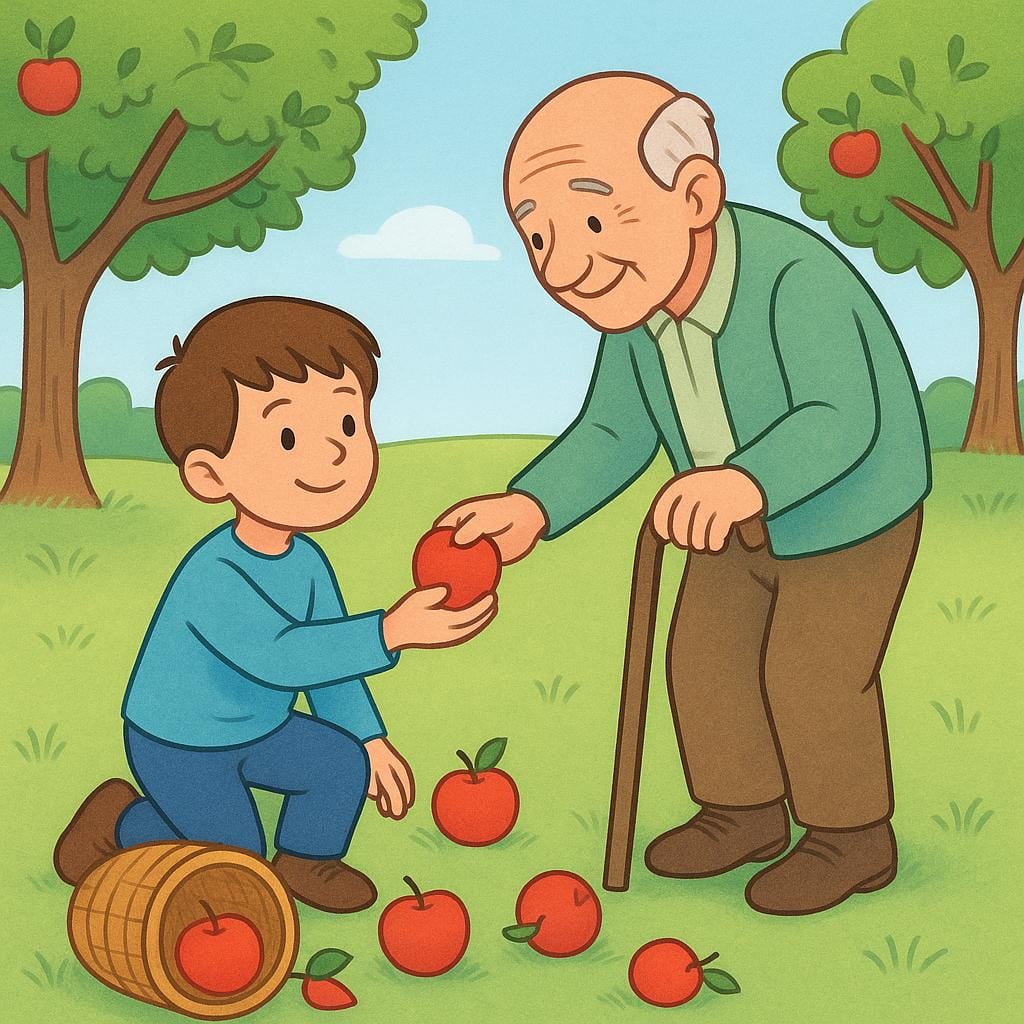
Fue un gesto muy noble de su parte ayudar a los más necesitados.
It was a very noble gesture on his part to help those most in need.
Mi perro es muy noble y nunca muerde a nadie.
My dog is very gentle/kind-hearted and never bites anyone.
Ella tiene un corazón noble; siempre perdona los errores de los demás.
She has a noble heart; she always forgives the mistakes of others.
Adjective Form
Since 'noble' ends in the letter -e, it is one of the adjectives that stays the same whether the noun it describes is masculine or feminine (e.g., 'el hombre noble' and 'la mujer noble').
bello
BAY-yohˈbe.ʎo

Examples
Fue un bello gesto de su parte ayudar a los necesitados.
It was a noble (beautiful) gesture on his part to help those in need.
La justicia es uno de los más bellos ideales de la humanidad.
Justice is one of humanity's finest ideals.
Vivimos en la bella época de la literatura renacentista.
We lived during the great era of Renaissance literature.
Literary Use
In this formal sense, 'bello' often precedes the noun (e.g., 'un bello ideal') to emphasize the inherent quality, giving it a poetic or literary feel.
generoso
heh-neh-ROH-sohxe.neˈɾo.so
Examples
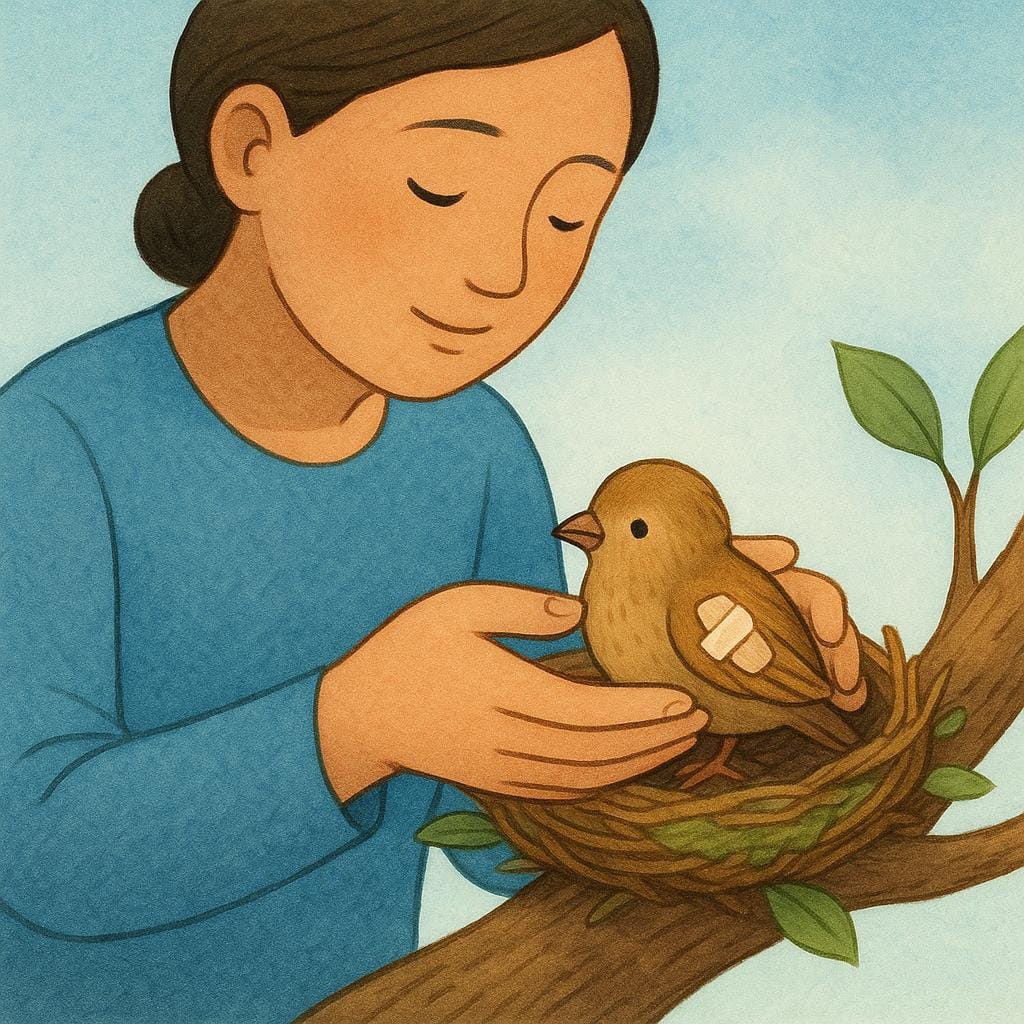
A pesar de la ofensa, su espíritu se mantuvo generoso y perdonador.
Despite the offense, his spirit remained generous (noble) and forgiving.
El general mostró un comportamiento generoso hacia los prisioneros de guerra.
The general showed a magnanimous behavior toward the prisoners of war.
alta
al-tahˈal.ta

Examples
La montaña es muy alta.
The mountain is very high.
Mi prima es muy alta para su edad.
My cousin is very tall for her age.
Por favor, habla en voz más alta.
Please, speak in a louder voice.
Matching Feminine Words
Use 'alta' to describe a person, place, or thing that is grammatically feminine. For masculine things, you need to use its partner word, 'alto'. For example, 'la casa alta' (the tall house) but 'el edificio alto' (the tall building).
Mismatching with Masculine Words
Mistake: “El árbol es muy alta.”
Correction: El árbol es muy alto. Because 'árbol' (tree) is a masculine word, the descriptive word has to match it.
Noble vs. Bello vs. Generoso
Related Translations
Learn Spanish with Inklingo
Interactive stories, personalized learning, and more.