How to Say "discharge" in Spanish
The most common Spanish word for “discharge” is “alta” — use 'alta' when referring to the official release or discharge from a hospital, clinic, or similar institution.

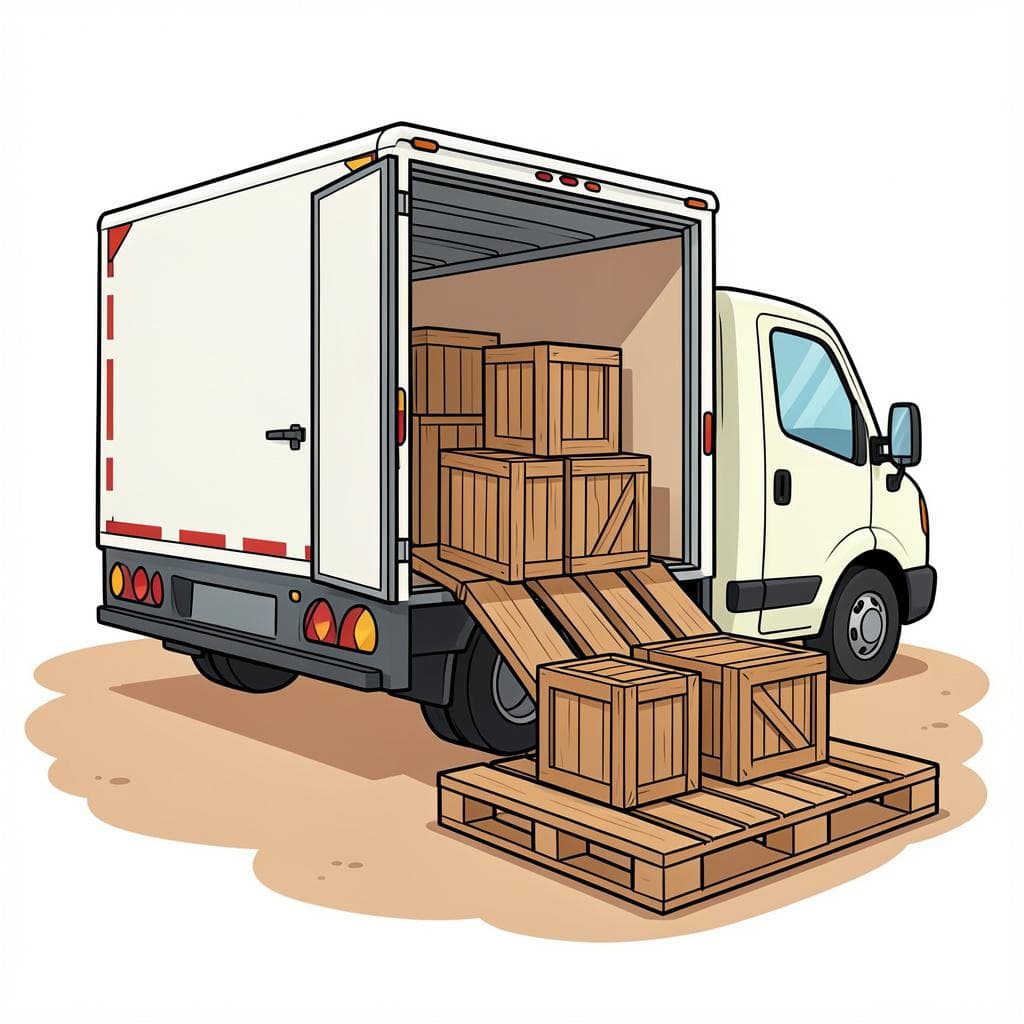

alta
al-tahˈal.ta

Examples
El doctor finalmente me dio el alta.
The doctor finally gave me my discharge.
Para cancelar, primero tienes que tramitar el alta en el sistema.
To cancel, you first have to process the registration in the system.
Mi compañera está de alta por maternidad.
My colleague is on maternity leave.
Why 'el alta'?
Even though 'alta' is a feminine word, we say 'el alta' instead of 'la alta'. This is a special rule in Spanish to make it sound better and avoid two 'a' sounds together ('la alta'). It's the same reason we say 'el agua' (water).
Using 'la' instead of 'el'
Mistake: “Estoy esperando la alta del médico.”
Correction: Estoy esperando el alta del médico. Remember the special sound rule: use 'el' right before 'alta' when it's a noun.
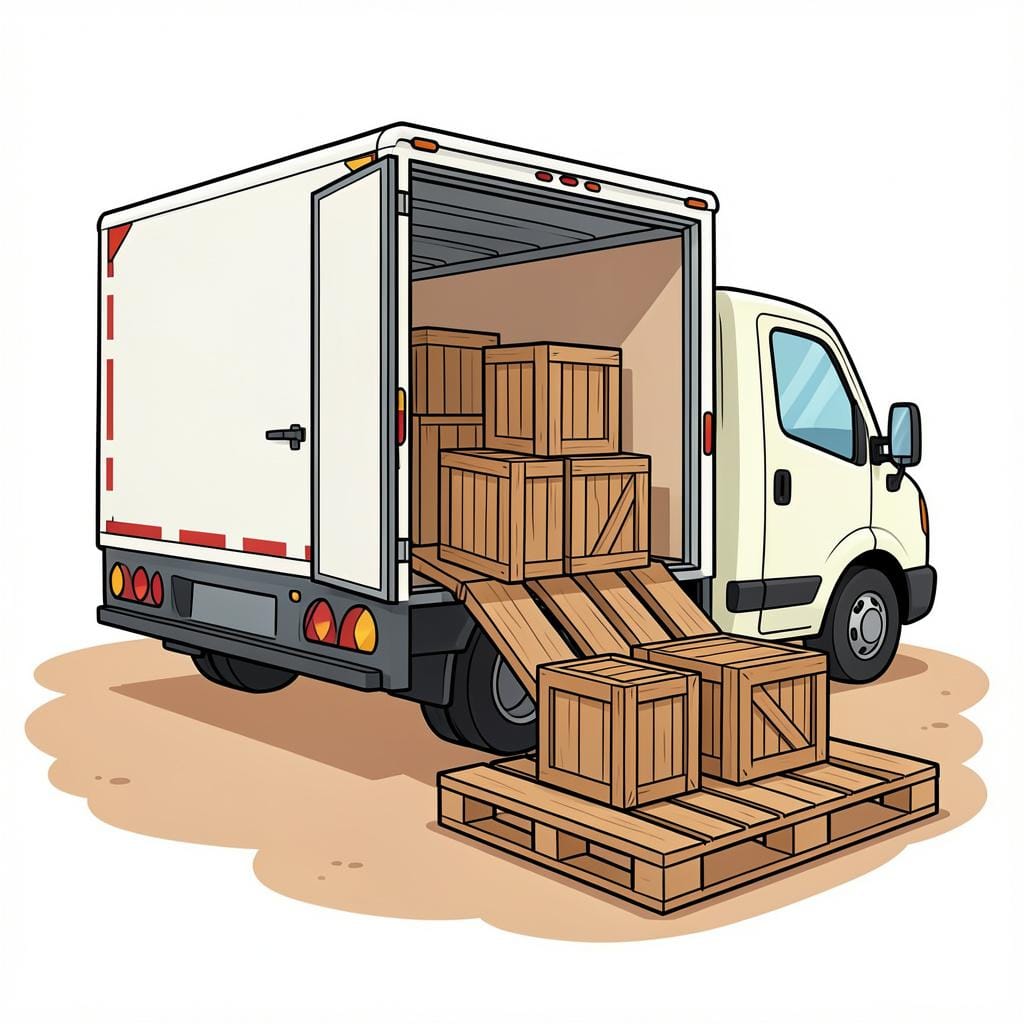
descarga
des-KAR-gahdesˈkaɾɣa
Examples
Recibió una descarga eléctrica al tocar el cable suelto.
He received an electric shock when he touched the loose wire.
La zona de descarga está bloqueada por un camión.
The unloading zone is blocked by a truck.
Los obreros comenzaron la descarga del cemento.
The workers began unloading the cement.
Llorar fue una gran descarga emocional para ella.
Crying was a great emotional release for her.
Compound Nouns
Often paired with 'carga' (loading) to describe logistics areas: 'carga y descarga'.
flujo
FLOO-hohˈflu.xo
Examples
La doctora preguntó sobre la naturaleza del flujo.
The doctor asked about the nature of the discharge.
Ella toma nota de su flujo menstrual cada mes.
She notes her menstrual flow every month.
caudal
kow-DAHLkawˈdal

Examples
Después de la tormenta, el caudal del río aumentó peligrosamente.
After the storm, the river's flow increased dangerously.
Este grifo tiene muy poco caudal de agua.
This tap has a very low water flow.
Es necesario medir el caudal para evitar inundaciones.
It is necessary to measure the volume of flow to avoid floods.
Always Masculine
Even though it ends in 'l', it is a masculine noun. Always use 'el' or 'un' with it.
Confusing flow with the river itself
Mistake: “El caudal es muy largo.”
Correction: El río es muy largo (o) El caudal es muy grande.
expulsión
Examples
La expulsión de gases del volcán asustó a los vecinos.
The volcano's ejection of gases scared the neighbors.
desempeño
Examples
El desempeño de sus funciones es obligatorio por ley.
The fulfillment of their duties is required by law.
Alta vs. Descarga
Related Translations
Learn Spanish with Inklingo
Interactive stories, personalized learning, and more.