How to Say "shy" in Spanish
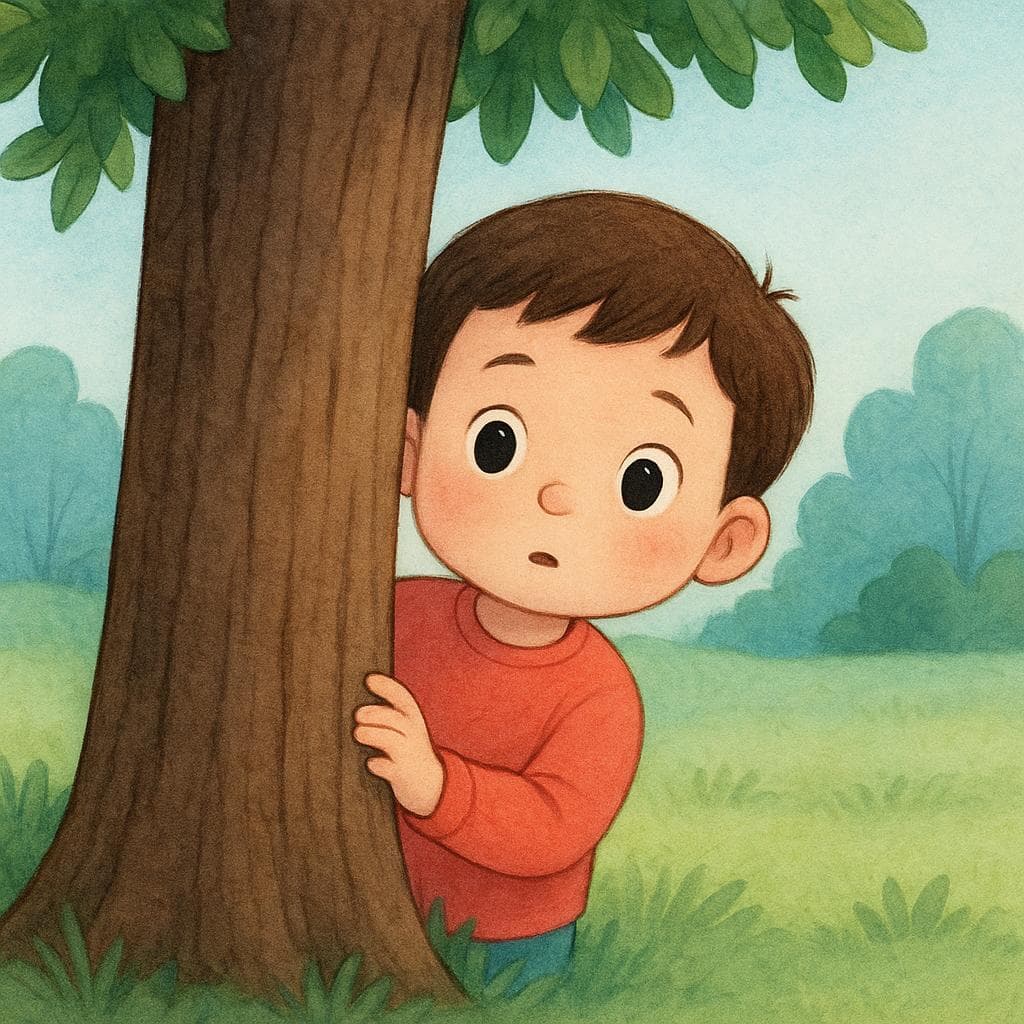
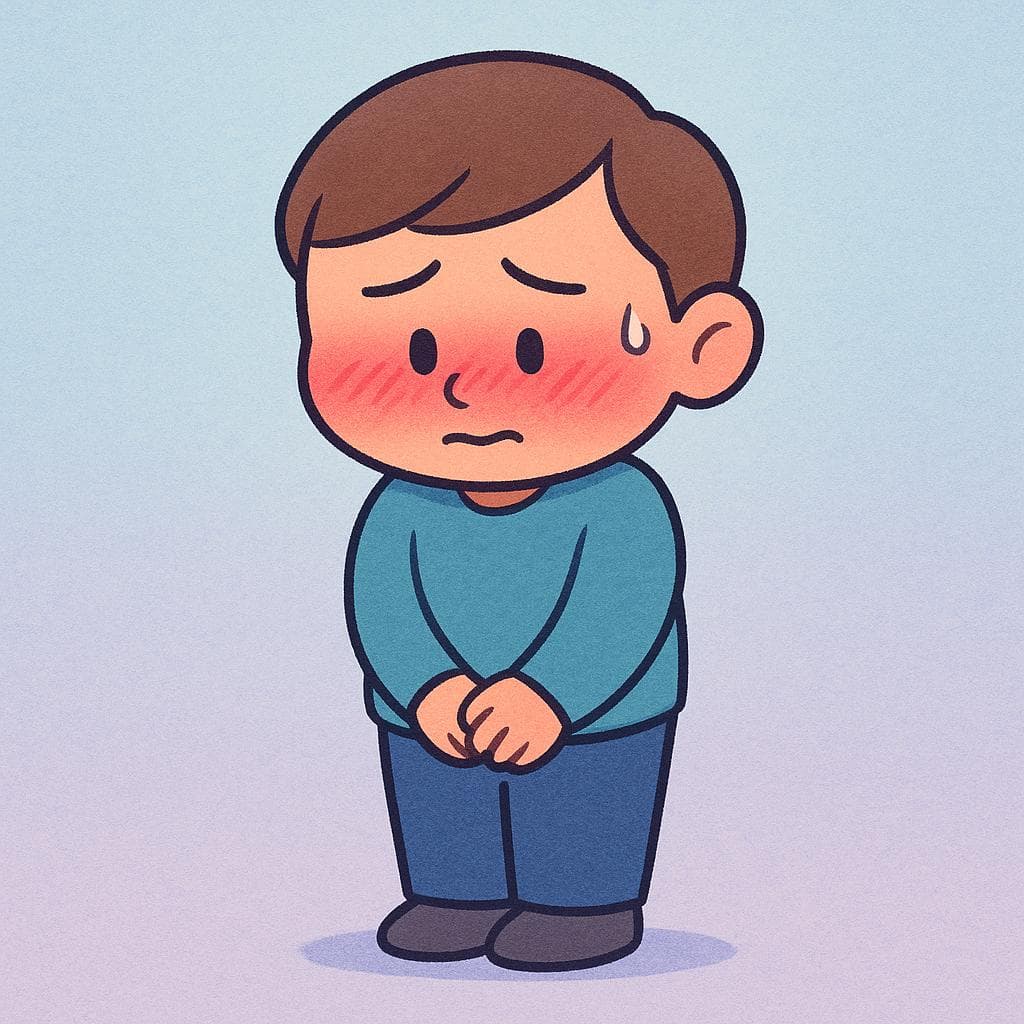
The most common Spanish word for “shy” is “tímido” — use this for a general personality descriptor, indicating someone who is naturally reserved or hesitant around new people or in social situations.





tímido
Examples
Mi hermano es muy tímido y no habla mucho con gente nueva.
My brother is very shy and doesn't talk much with new people.
vergonzoso
vair-gohn-SOH-sohbeɾ.ɣonˈso.so

Examples
Mi hijo es muy vergonzoso y no le gusta hablar en clase.
My son is very shy and doesn't like to speak in class.
Estaba tan vergonzosa que se puso roja.
She was so bashful/ashamed that she turned red.
Cuando le pregunté su nombre, se puso vergonzoso.
When I asked his name, he got shy/embarrassed.
Ser vs. Estar: Personality vs. Feeling
Use 'ser' (Ella es vergonzosa) to describe someone's shy personality. Use 'estar' (Él está vergonzoso) to describe that they are currently feeling ashamed or embarrassed about something.
Confusing 'Shy' and 'Shameful'
Mistake: “Using 'tímido' to describe a shameful event.”
Correction: Tímido only describes people who are shy. Use 'vergonzoso' for both the shy person AND the embarrassing event.
apenado
ah-peh-NAH-dohapeˈnaðo

Examples
No te quedes ahí apenado, ¡pasa y conoce a la familia!
Don't stand there shyly, come in and meet the family!
Me sentí muy apenado cuando se me olvidó tu nombre.
I felt very embarrassed when I forgot your name.
Él estaba apenado por haber llegado tan tarde a la cena.
He was ashamed of having arrived so late to the dinner.
Social Context
This word describes that 'awkward' feeling you get when you've made a mistake or are the center of attention.
The 'Pregnant' Trap
Mistake: “Estoy muy embarazado por mi error.”
Correction: Estoy muy apenado por mi error. 'Embarazado' means pregnant; 'apenado' is the word you want for embarrassed!
callado
ca-YA-dokaˈʎaðo

Examples
Mi hermana es muy callada en clase, pero habla mucho en casa.
My sister is very quiet/reserved in class, but she talks a lot at home.
El bosque estaba callado, solo se escuchaban los pájaros.
The forest was silent; only the birds could be heard.
Se quedó callado cuando le preguntaron por el dinero.
He remained silent when they asked him about the money.
Agreement is Essential
As an adjective, 'callado' must change its ending to match the person or thing it describes: 'el niño callado' (m), 'la niña callada' (f), 'los niños callados' (plural m).
Callado vs. Silencioso
Mistake: “Using 'silencioso' to describe a person's reserved nature.”
Correction: Use 'callado' for a person who is quiet or reserved ('una persona callada'). Use 'silencioso' for a room or thing that makes no noise ('una habitación silenciosa').
corto
KOR-tohˈkoɾto
Examples
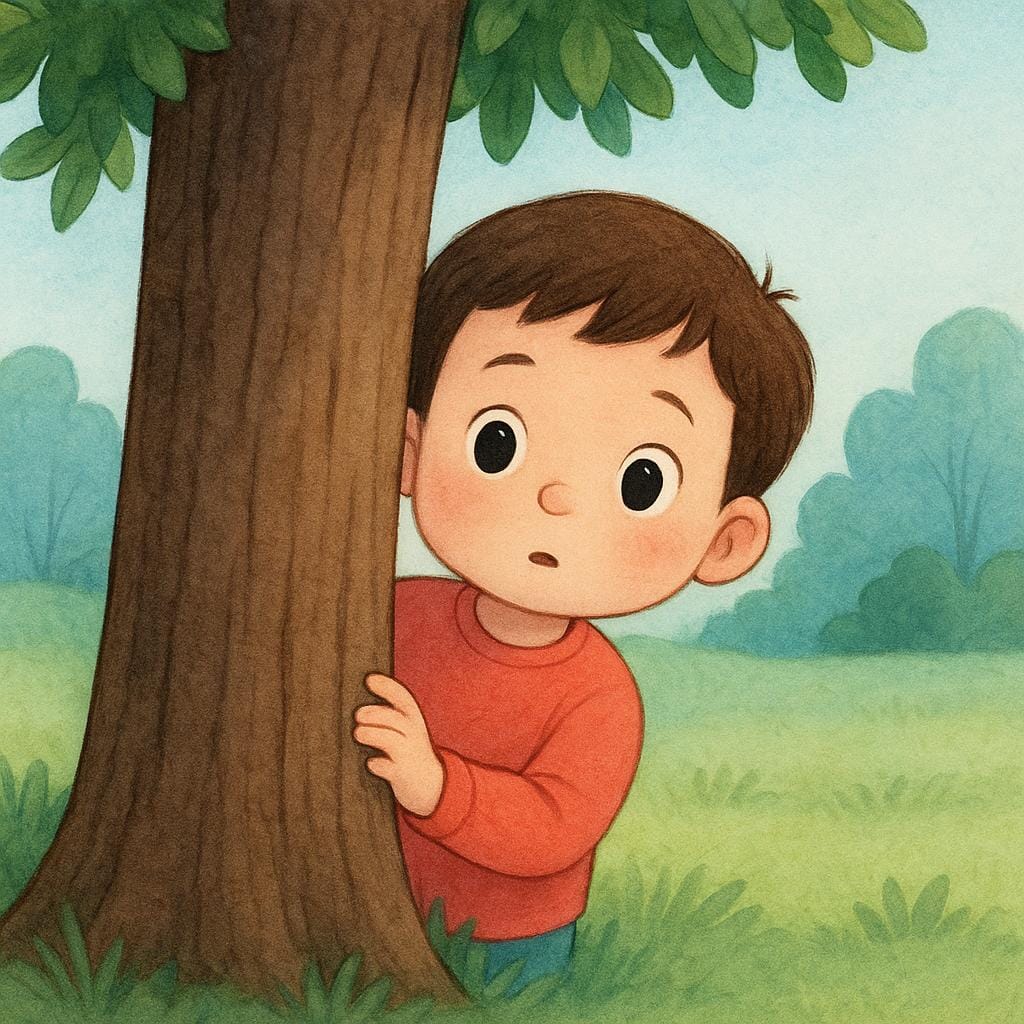
No seas corto, habla con ella.
Don't be shy/reserved, talk to her.
Parece que está un poco corto de memoria.
It seems he is a bit lacking in memory.
Mi abuela está un poco corta de oído.
My grandmother is a little hard of hearing (short of hearing).
Using 'Corto de'
When 'corto' describes a deficiency, it is often followed by 'de' (of) and the noun indicating what is lacking: 'corto de dinero' (short on money), 'corto de paciencia' (lacking patience).
atado
ah-TAH-dohaˈtaðo

Examples
Cuando conoció a la jefa, se sintió muy atado y no dijo nada.
When he met the boss, he felt very tongue-tied and didn't say anything.
No puedo ayudarte con eso, estoy atado por el contrato.
I can't help you with that, I'm restricted by the contract.
Use with 'Estar'
This meaning almost always uses the verb 'estar' (to be) because it describes a temporary emotional state or a current restriction, not a permanent characteristic.
cortado
kor-TAH-dohkoɾˈtaðo
Examples
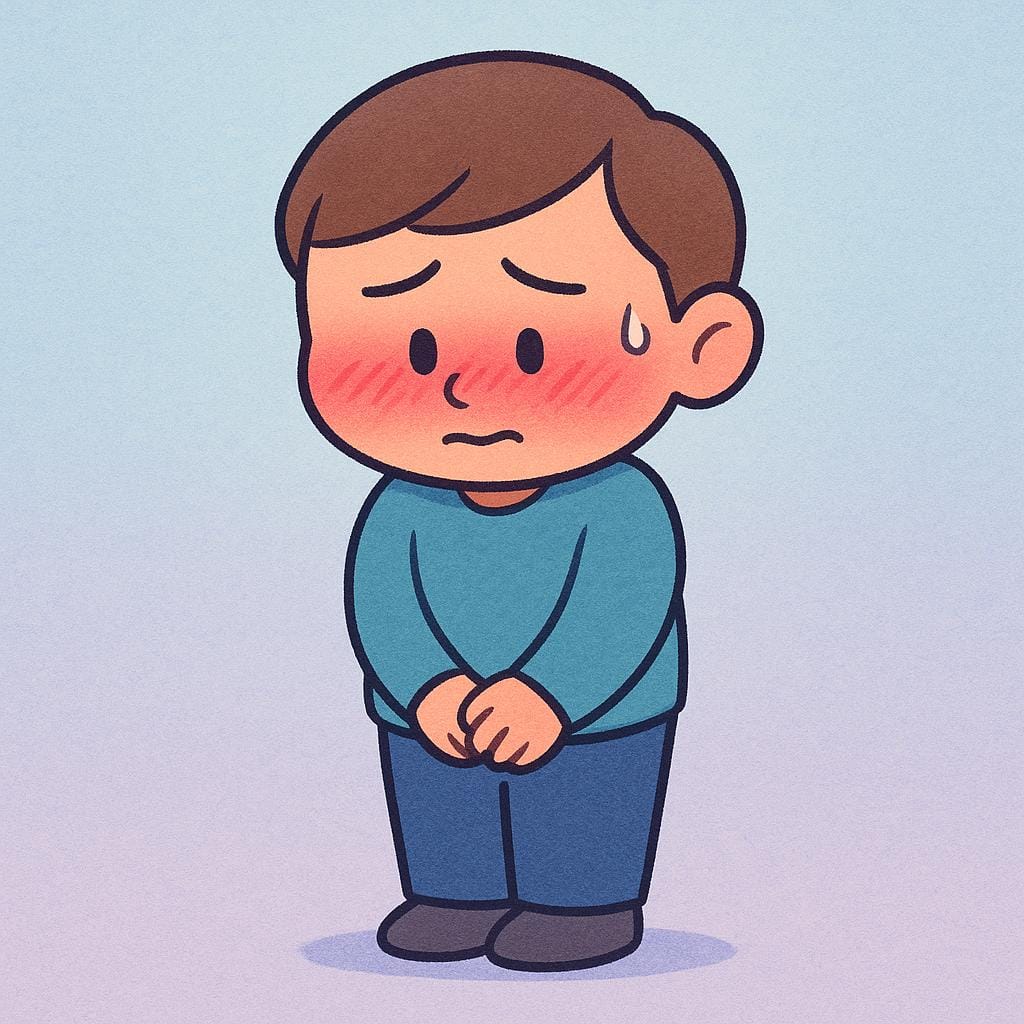
Cuando le hicieron la pregunta, se quedó completamente cortado.
When they asked him the question, he was left completely tongue-tied (or speechless).
Estaba tan cortado que no pudo decir ni una palabra.
He was so embarrassed that he couldn't say a single word.
Using 'Estar'
This adjective describes a temporary state or feeling, so it is always used with the verb 'estar' (to be in a state), not 'ser' (to be permanent).
Confusing 'Cortado' and 'Cortar'
Mistake: “Using 'cortar' when you mean 'to be embarrassed' (e.g., 'Yo corto').”
Correction: Use the adjective form with 'estar': 'Yo estoy cortado' (I am embarrassed).
quedado
keh-DAH-dohkeˈðaðo

Examples
Mi primo es muy quedado; casi nunca habla en las fiestas.
My cousin is very reserved/shy; he hardly ever speaks at parties.
Ella prefiere quedarse en casa, es un poco quedada.
She prefers to stay at home, she's a bit of a wallflower.
Ese teléfono es tan quedado, ya nadie lo usa.
That phone is so old-fashioned/behind the times, nobody uses it anymore.
Ser vs. Estar
This adjective nearly always uses 'ser' because it describes a permanent personality trait or characteristic: 'Mi hermano es quedado' (My brother is a shy person).
Tímido vs. Vergonzoso vs. Apenado
Related Translations
Learn Spanish with Inklingo
Interactive stories, personalized learning, and more.