atado
“atado” means “tied” in Spanish. It has 3 different meanings depending on context:
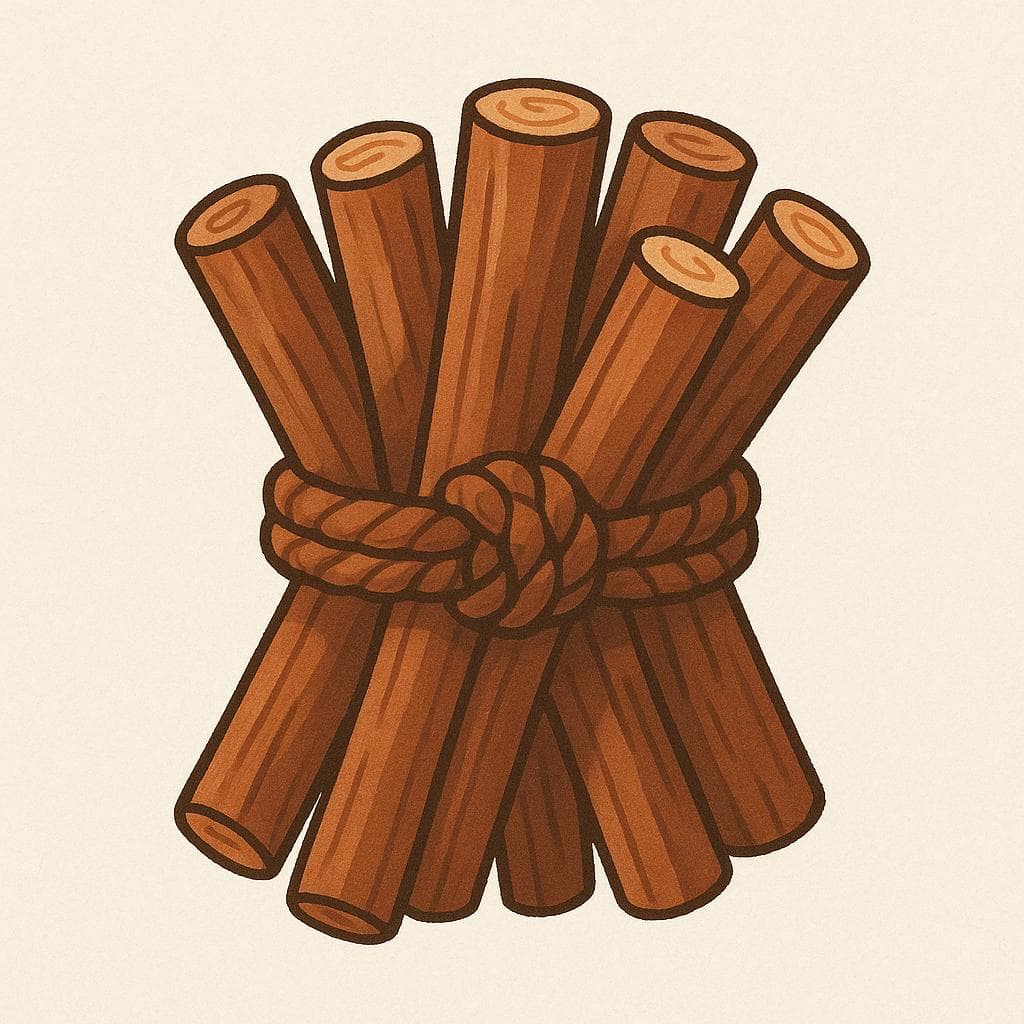
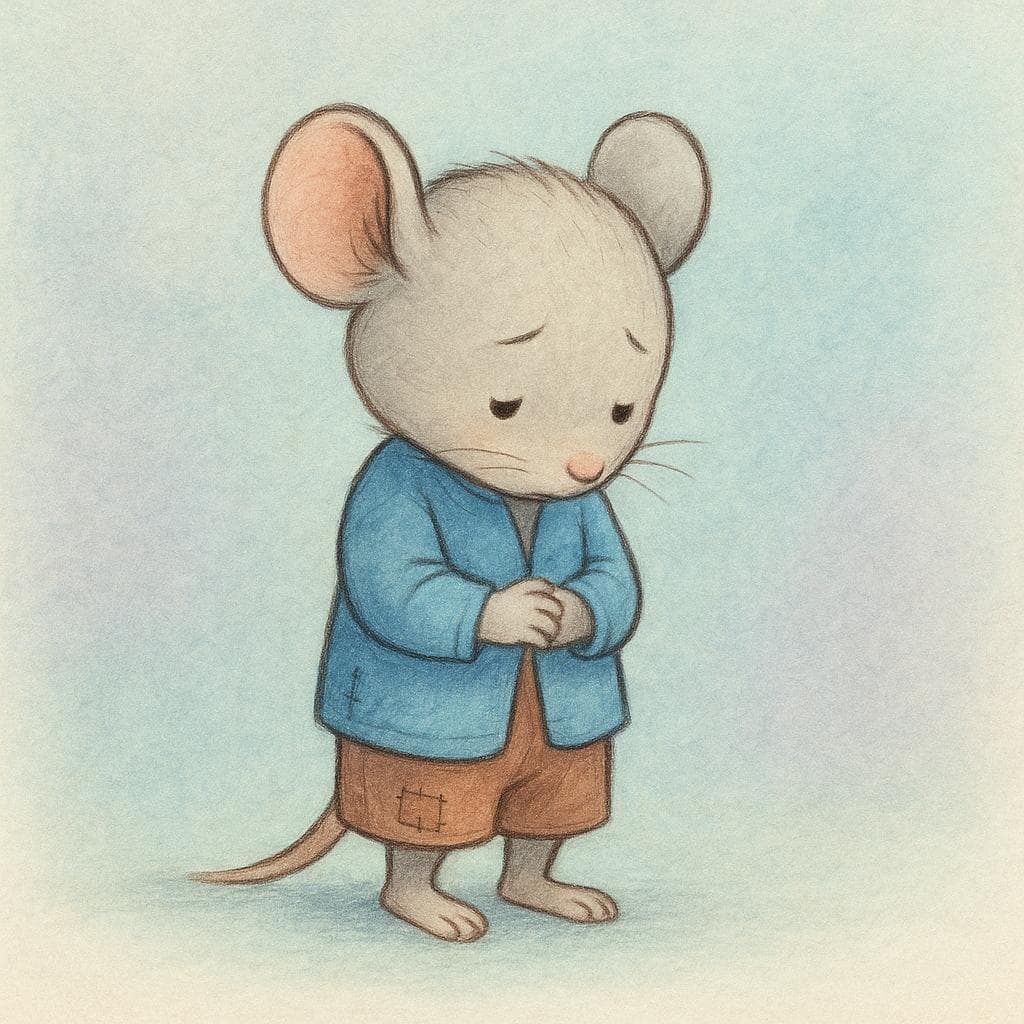

tied, boundAlso: bundled, fastened

📝 In Action
El paquete llegó atado con una cuerda roja.
A2The package arrived tied with a red string.
La puerta estaba atada con una cadena.
B1The door was fastened with a chain.
Necesito desatar las cajas; están todas atadas.
B1I need to untie the boxes; they are all bundled together.
Word Connections
shy, tongue-tiedAlso: restricted

📝 In Action
Cuando conoció a la jefa, se sintió muy atado y no dijo nada.
B2When he met the boss, he felt very tongue-tied and didn't say anything.
No puedo ayudarte con eso, estoy atado por el contrato.
C1I can't help you with that, I'm restricted by the contract.
Word Connections
tied

📝 In Action
Hemos atado el bote al muelle antes de la tormenta.
A2We have tied the boat to the dock before the storm.
¿Ya habías atado los zapatos cuando saliste?
B1Had you already tied your shoes when you left?
Indicative
Present
Imperfect
Preterite
Subjunctive
Present Subjunctive
Imperfect Subjunctive
Translate to Spanish
Words that translate to "atado" in Spanish:
✏️ Quick Practice
Quick Quiz: atado
Question 1 of 1
Which sentence uses 'atado' in the figurative sense of being shy or restricted?
📚 More Resources
👥 Word Family
📚 Etymology
Comes from the Latin verb *aptare*, meaning 'to fit,' 'to join,' or 'to fasten.' Over time, its meaning narrowed in Spanish to specifically refer to tying or binding.
First recorded: 13th century
Cognates (Related words)
💡 Master Spanish
Take your Spanish to the next level. Read 200+ illustrated and narrated Spanish stories tailored to your level with the Inklingo app!
Frequently Asked Questions
How do I know if 'atado' is a verb form or an adjective?
If it is used with the verb 'haber' (like 'he atado'), it is the verb form and never changes its ending. If it is used with 'ser' or 'estar' (like 'está atada'), it is an adjective and must change its ending (o/a/os/as) to match the person or thing it describes.
Does 'atado de manos' only mean physically having your hands tied?
No, it's a very common idiom meaning you are unable to act or help due to rules, circumstances, or lack of authority. It means you are 'restricted' or 'powerless' to intervene.