How to Say "delicate" in Spanish
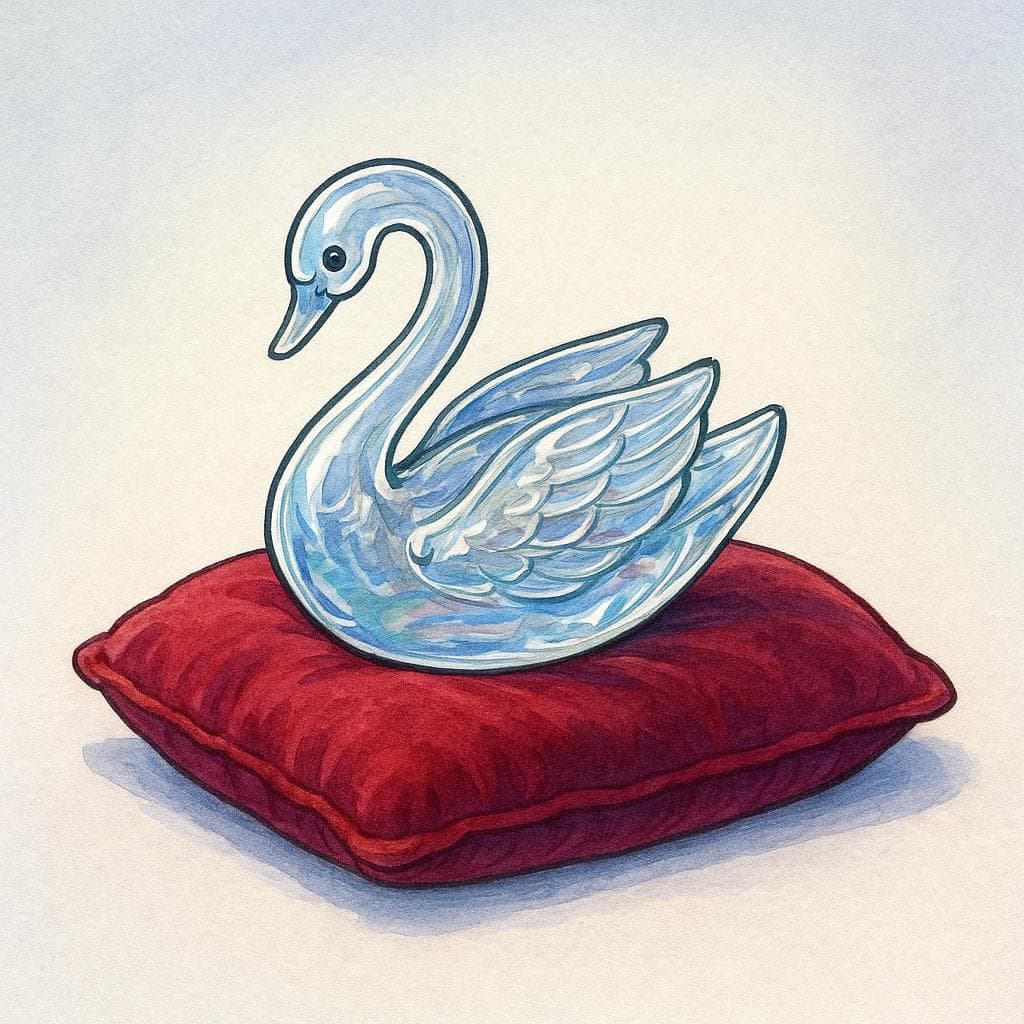
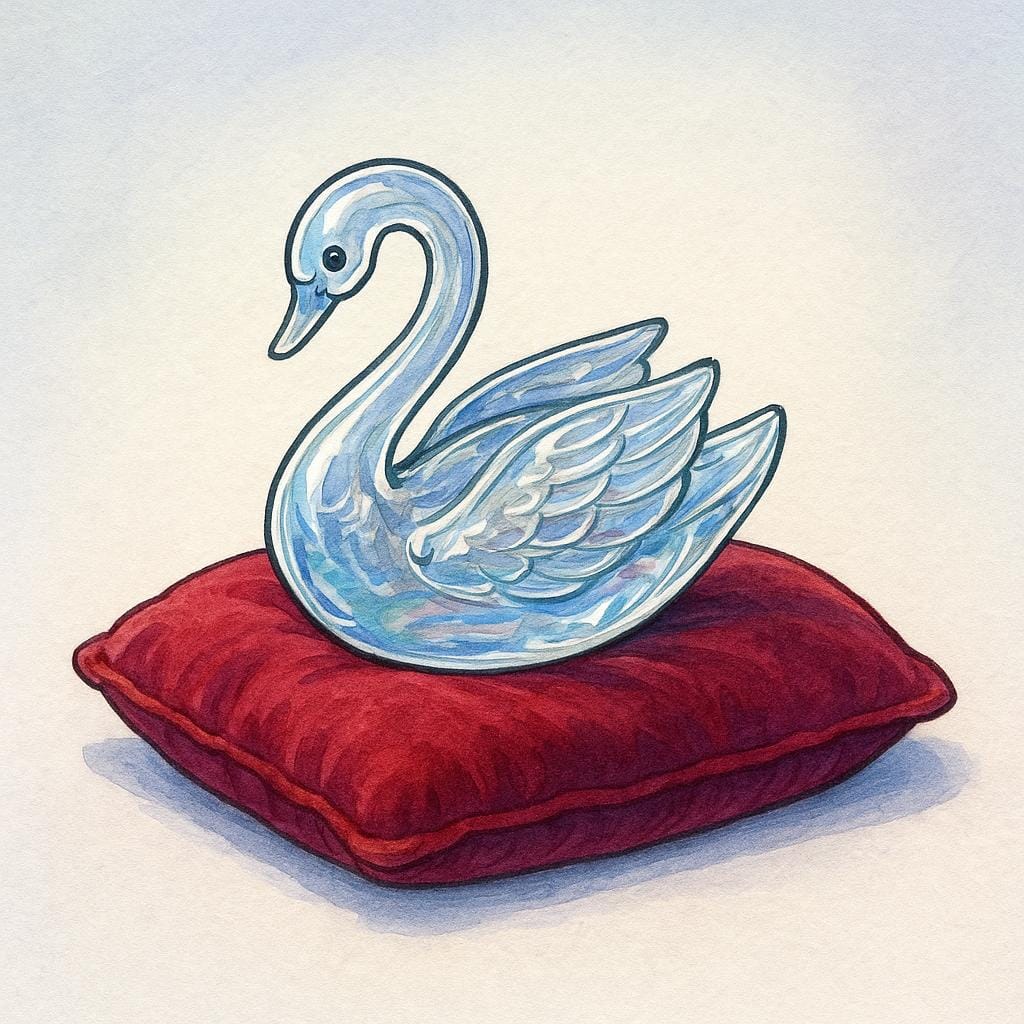
The most common Spanish word for “delicate” is “delicado” — use 'delicado' when referring to something that is easily broken, damaged, or spoiled, like fine china or a sensitive plant.

delicado
deh-lee-KAH-dohdeliˈkaðo
Examples
Esta flor es muy delicada y necesita cuidados especiales.
This flower is very delicate and needs special care.
Esta porcelana es muy delicada, lávala a mano.
This porcelain is very delicate, wash it by hand.
Las flores tropicales son delicadas y necesitan mucho sol.
Tropical flowers are delicate and need a lot of sun.
Adjective Agreement
Like most Spanish adjectives, 'delicado' must change its ending to match the thing it describes. Use 'delicada' for feminine nouns (la flor), 'delicados' for masculine plural nouns (los jarrones), and 'delicadas' for feminine plural nouns (las copas).
Forgetting Agreement
Mistake: “El cristal es muy delicada.”
Correction: El cristal es muy delicado. ('Cristal' is masculine, so the adjective must end in -o.)
frágil
Examples
El paquete contenía objetos frágiles, así que lo manipulamos con sumo cuidado.
The package contained fragile objects, so we handled it with extreme care.
tierno
tee-EHR-nohˈtjeɾno
Examples
El cordero estaba tan tierno que se deshacía en la boca.
The lamb was so tender it melted in your mouth.
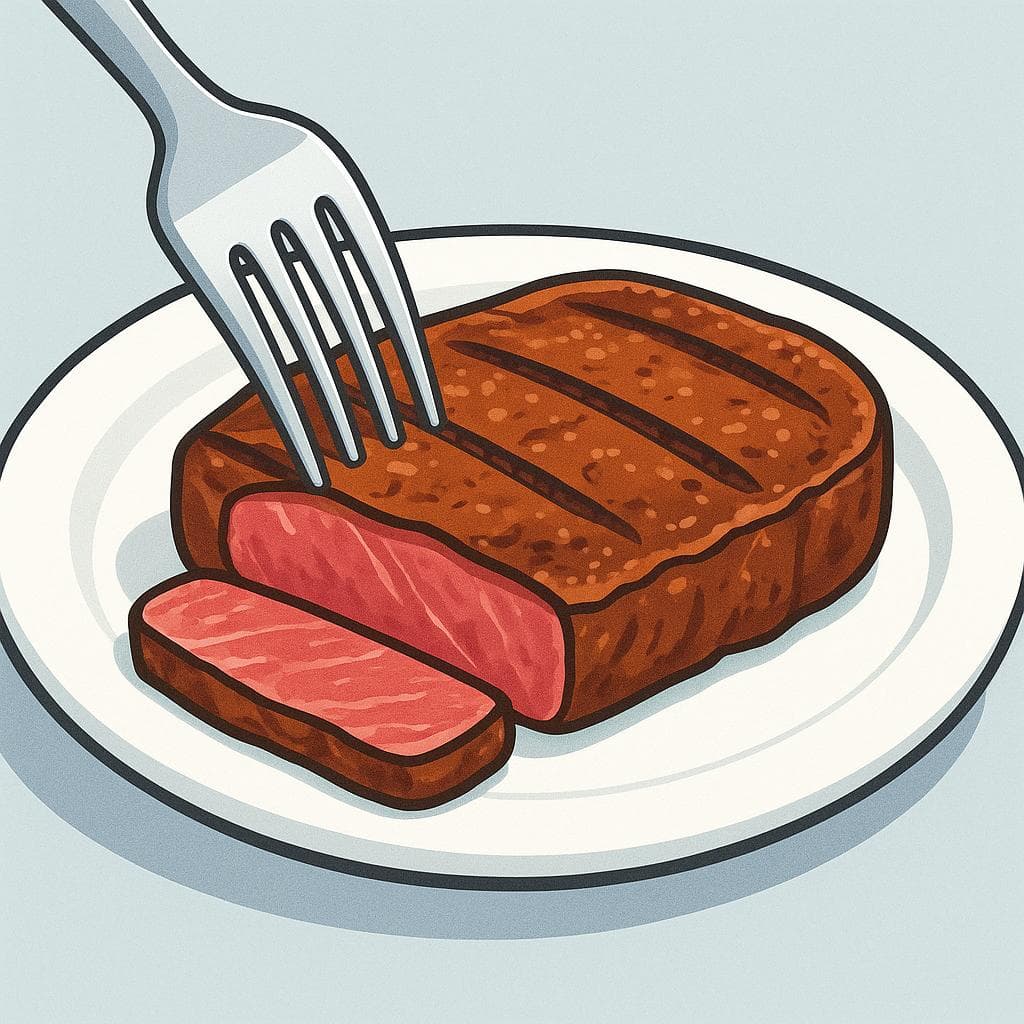
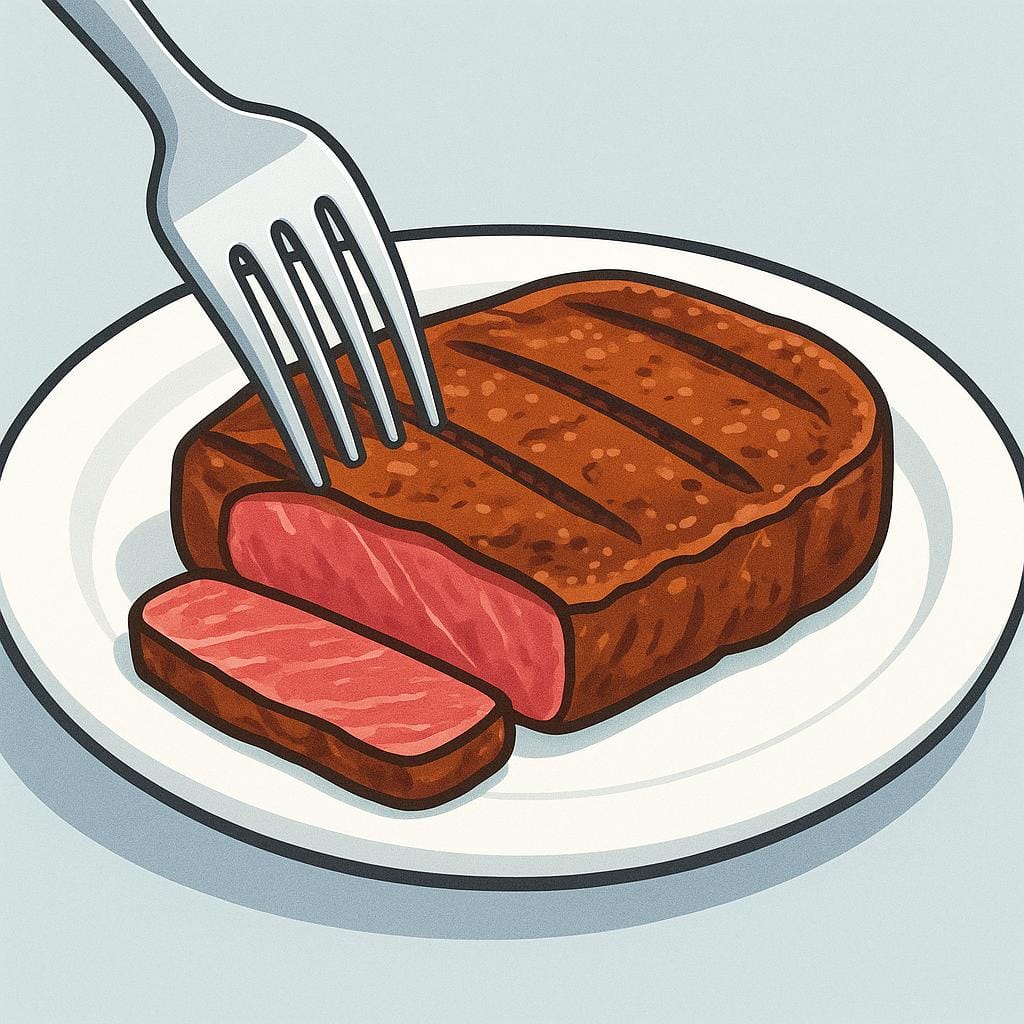
El chef cocinó el bistec hasta que quedó muy tierno.
The chef cooked the steak until it was very tender.
Estas hojas de lechuga son muy tiernas; cómelas pronto.
These lettuce leaves are very soft/delicate; eat them soon.
Agreement is Key
Since 'tierno' is an adjective, you must change the ending to match the noun it describes: 'el pollo tierno' (masculine singular), 'la fruta tierna' (feminine singular), 'los tallos tiernos' (masculine plural).
menuda
meh-NOO-dahmeˈnuða
Examples
A pesar de su figura menuda, tiene una gran fuerza.
Despite her petite figure, she has great strength.
Ella es una mujer muy menuda, parece que flota al caminar.
She is a very petite woman; it looks like she floats when she walks.
Necesitas herramientas menudas para arreglar ese reloj.
You need small tools to fix that watch.
Adjective Agreement
Remember that 'menuda' is the feminine form. If you were describing a small man or a small object that is masculine, you would use 'menudo'.
comprometido
kom-proh-meh-TEE-dohkom.pro.meˈti.ðo

Examples
La situación política del país es muy comprometida.
The country's political situation is very precarious.
El paciente se encuentra en un estado muy comprometido.
The patient is in a very critical/serious condition.
La decisión del gobierno puso al país en una posición comprometida.
The government's decision put the country in a delicate/risky position.
Fragile vs. Delicate
Related Translations
Learn Spanish with Inklingo
Interactive stories, personalized learning, and more.