menuda
“menuda” means “small” in Spanish. It has 3 different meanings depending on context:
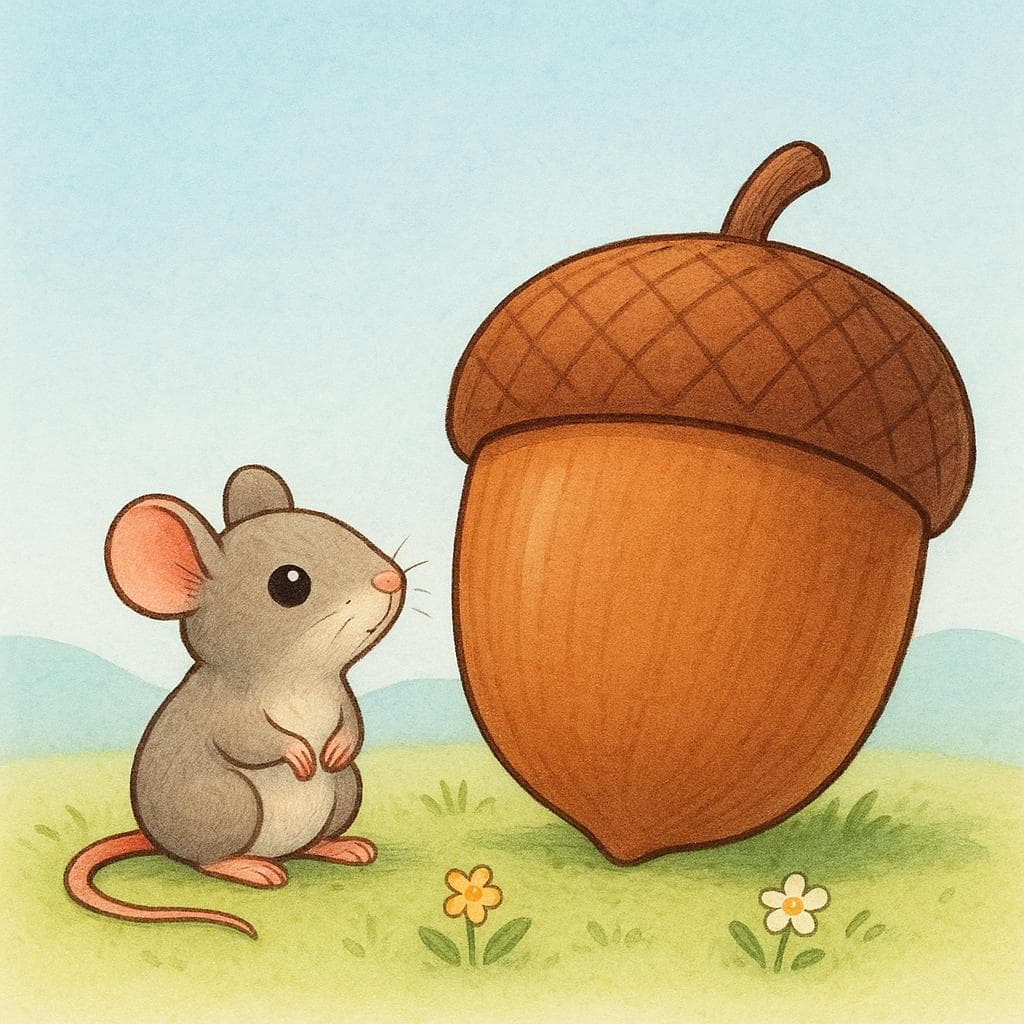
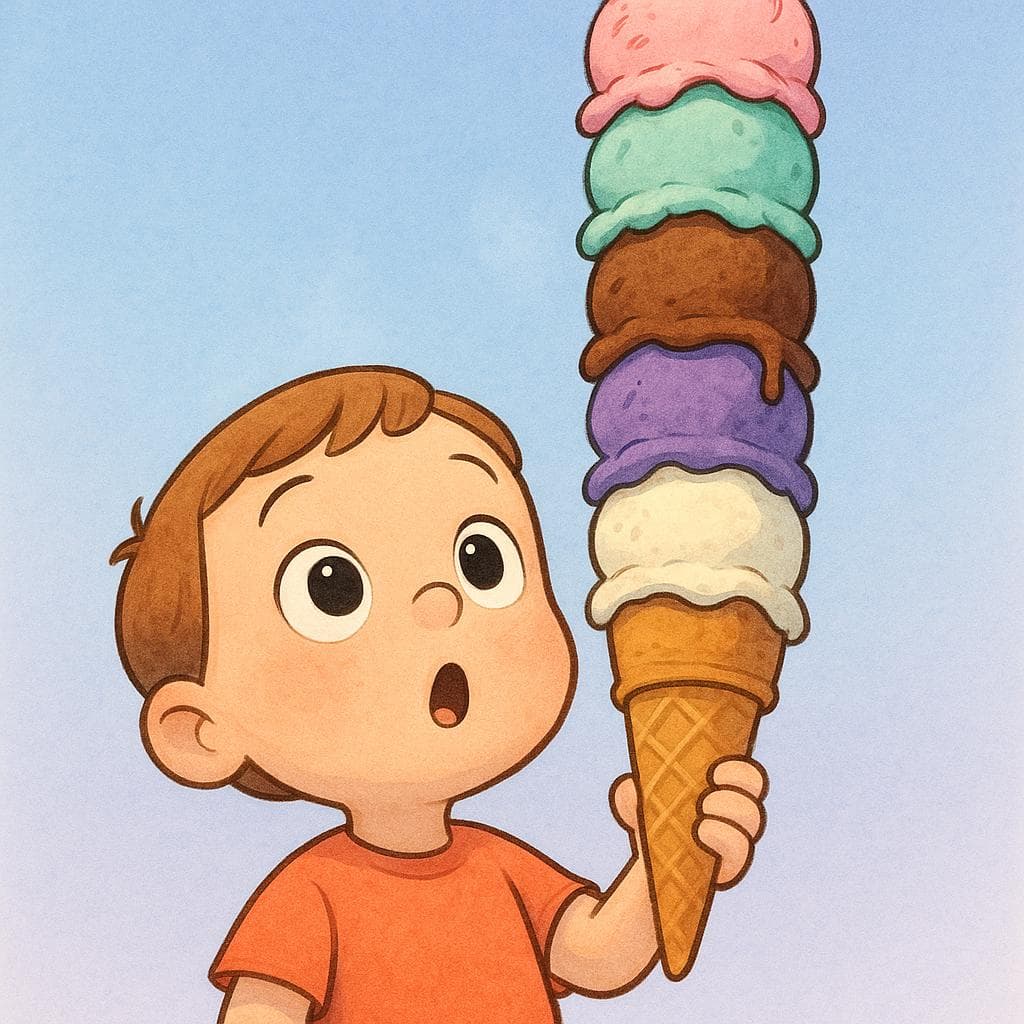
small, petite
Also: delicate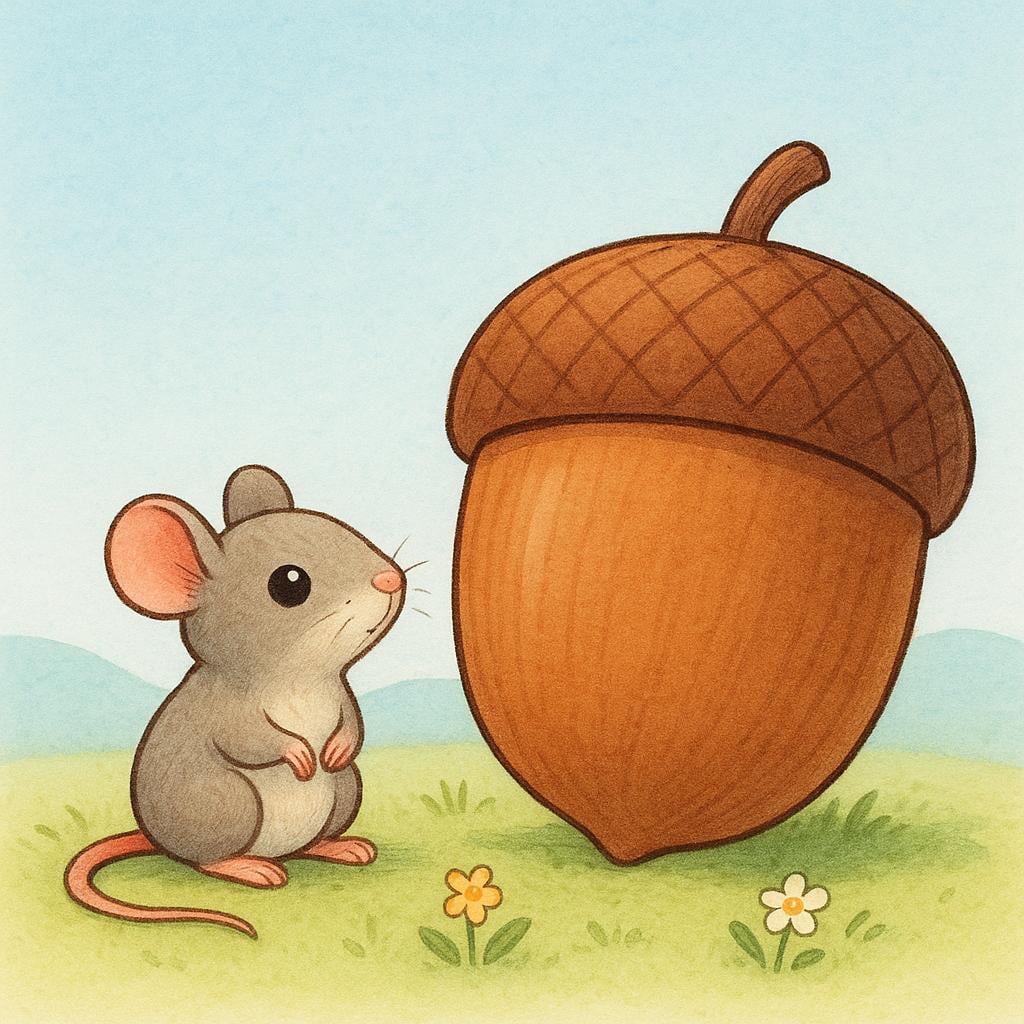
📝 In Action
Ella es una mujer muy menuda, parece que flota al caminar.
A2She is a very petite woman; it looks like she floats when she walks.
Necesitas herramientas menudas para arreglar ese reloj.
B1You need small tools to fix that watch.
quite a, some
Also: great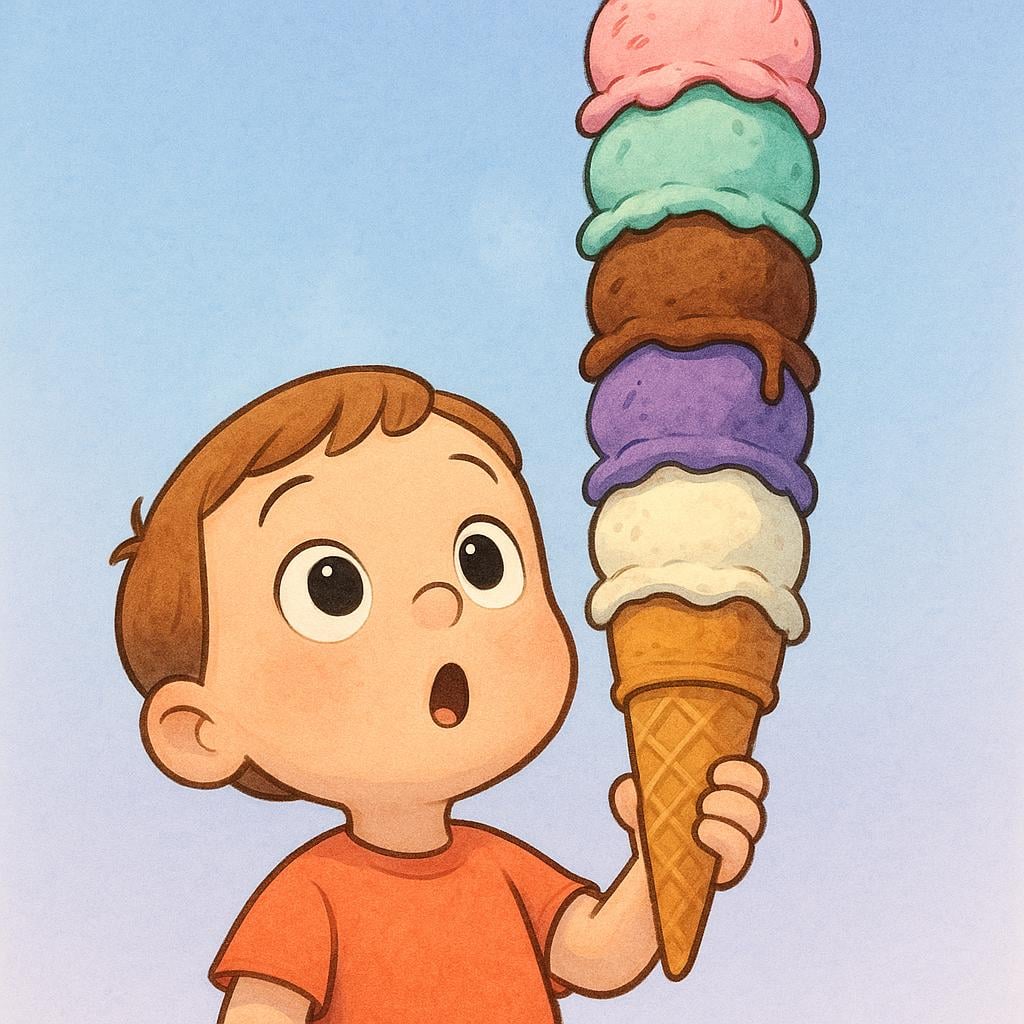
📝 In Action
¡Menuda faena me has dejado para mañana!
B2What a job you've left me for tomorrow! (Implies it's a big, difficult job.)
Menuda suerte tuvimos de encontrar ese billete.
C1We had some luck finding that ticket.
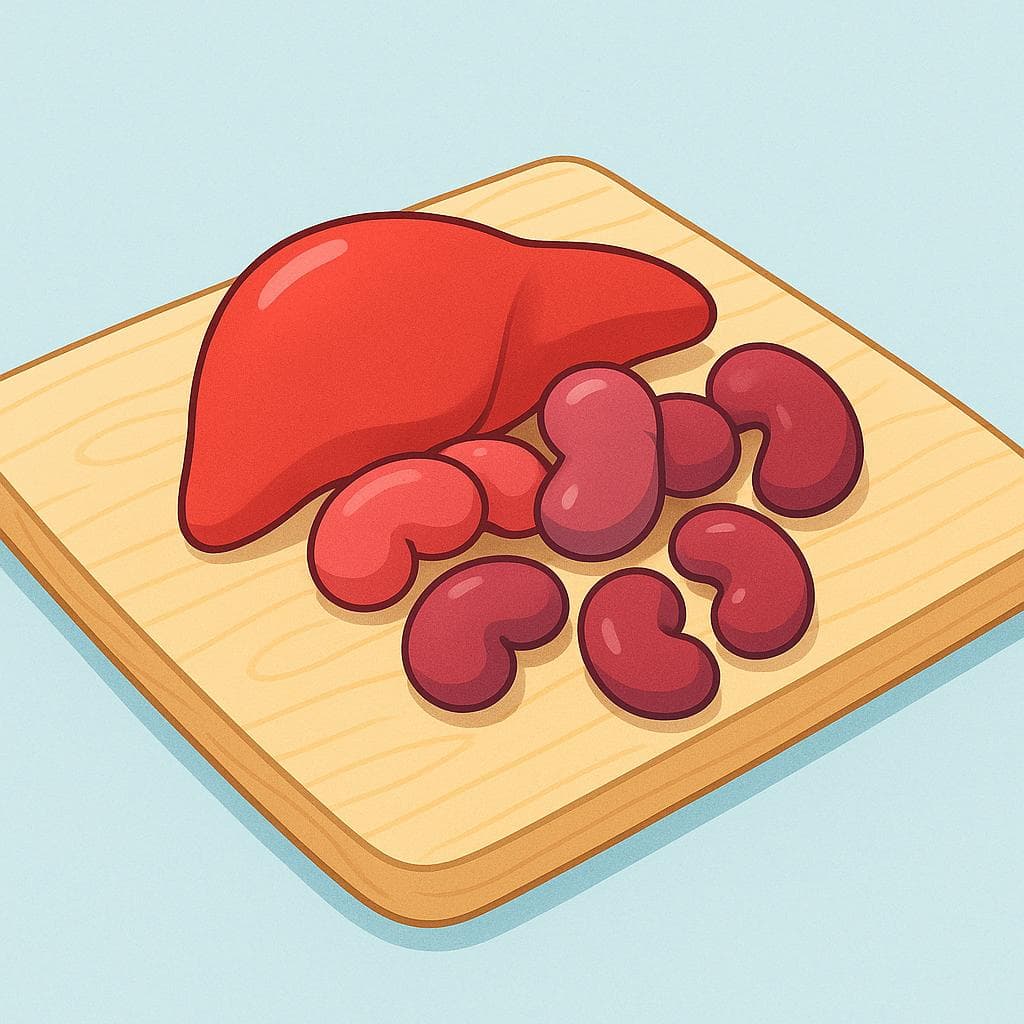
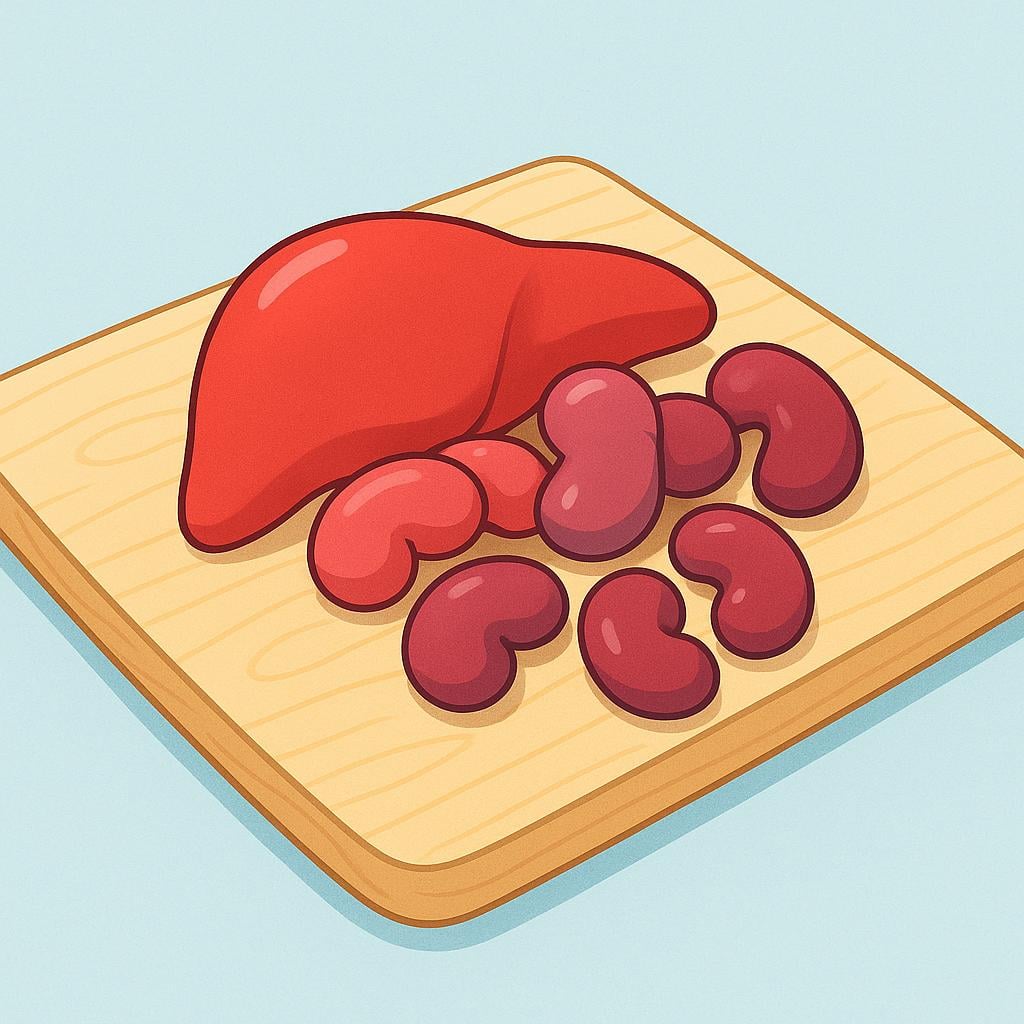
offal, giblets
📝 In Action
Para este plato se necesitan las menudas del cordero.
B2For this dish, the lamb's offal is needed.
Compramos menudas frescas en el mercado local.
B2We bought fresh giblets at the local market.
✏️ Quick Practice
Quick Quiz: menuda
Question 1 of 2
Which sentence uses 'menuda' to mean 'small in size'?
📚 More Resources
👥 Word Family▼
📚 Etymology▼
The word comes from the Latin *minutus*, meaning 'small' or 'tiny,' which is also the root of the English word 'minute' (the small unit of time). The core idea is always related to something small or detailed.
First recorded: 13th century
Cognates (Related words)
💡 Master Spanish
Take your Spanish to the next level. Read 200+ illustrated and narrated Spanish stories tailored to your level with the Inklingo app!
Frequently Asked Questions
Is 'menuda' the same as 'moneda' (coin)?
No. While 'menuda' historically referred to small change or loose coins (due to its meaning 'small'), the common word for a coin is 'moneda'. You will rarely hear 'menuda' used to mean money today, except perhaps in very old or regional contexts.
How do I know if 'menuda' means 'small' or 'big/impressive'?
Listen to the tone and look at the punctuation. If it's used with an exclamation mark (¡...!) and comes before the noun, it almost always acts as an intensifier, meaning 'what a great/big/significant' thing. If it is used descriptively after the verb 'ser' (to be), it usually means 'small' or 'petite'.