How to Say "fragile" in Spanish
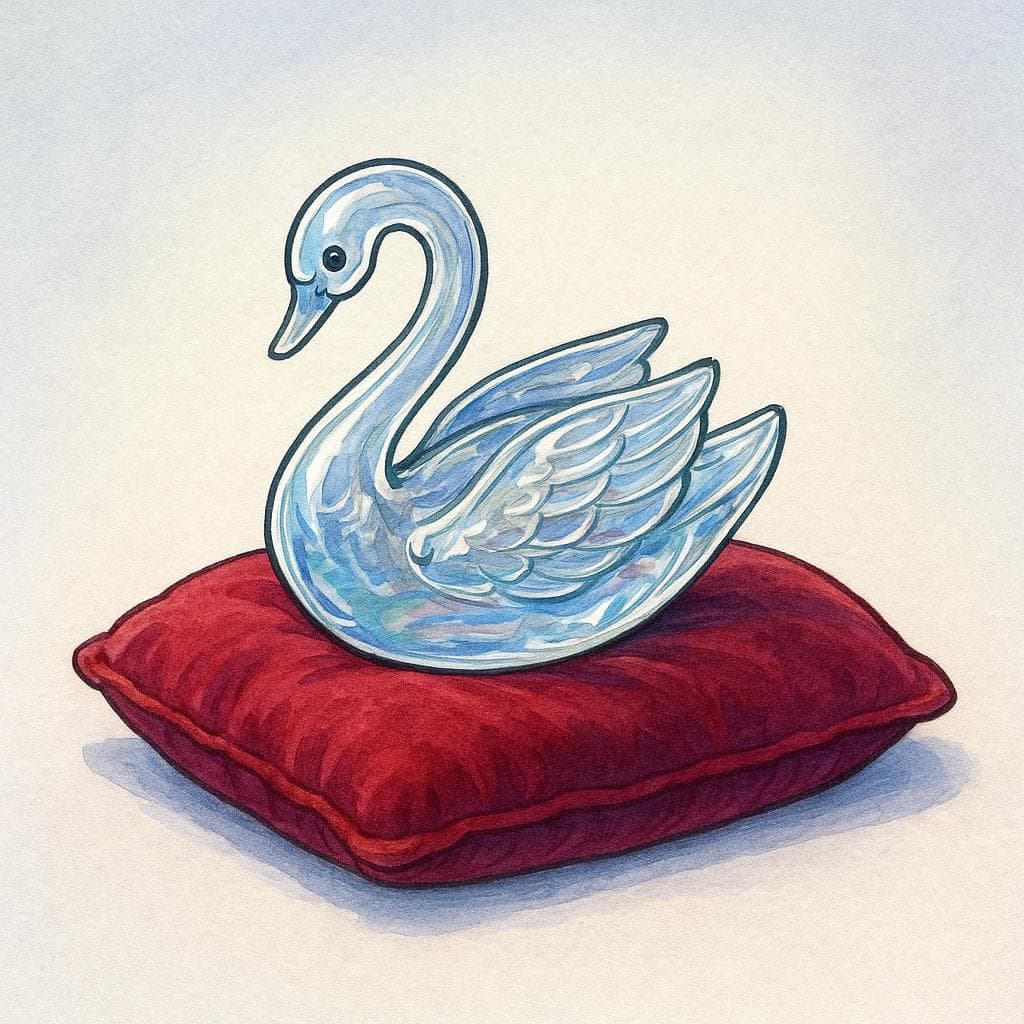
The most common Spanish word for “fragile” is “frágil” — use 'frágil' when referring to something that is physically prone to breaking or shattering, emphasizing its breakability.
frágil
Examples
Por favor, ten cuidado con esa caja; el contenido es frágil.
Please be careful with that box; the contents are fragile.
delicado
deh-lee-KAH-dohdeliˈkaðo
Examples
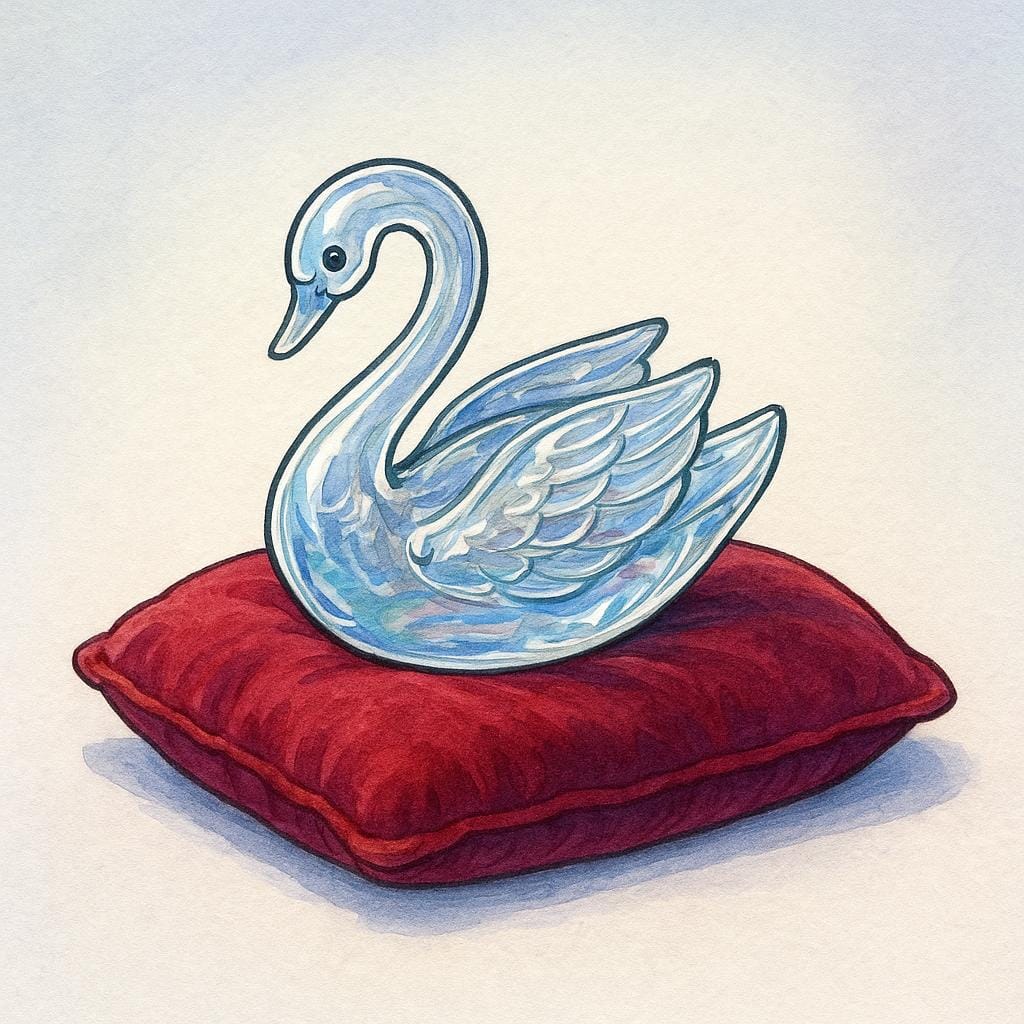
Esta porcelana es muy delicada, lávala a mano.
This porcelain is very delicate, wash it by hand.
Las flores tropicales son delicadas y necesitan mucho sol.
Tropical flowers are delicate and need a lot of sun.
Adjective Agreement
Like most Spanish adjectives, 'delicado' must change its ending to match the thing it describes. Use 'delicada' for feminine nouns (la flor), 'delicados' for masculine plural nouns (los jarrones), and 'delicadas' for feminine plural nouns (las copas).
Forgetting Agreement
Mistake: “El cristal es muy delicada.”
Correction: El cristal es muy delicado. ('Cristal' is masculine, so the adjective must end in -o.)
Choosing Between 'Frágil' and 'Delicado'
Related Translations
Learn Spanish with Inklingo
Interactive stories, personalized learning, and more.