violenta
“violenta” means “violent” in Spanish. It has 2 different meanings depending on context:


violent
Also: awkward, intense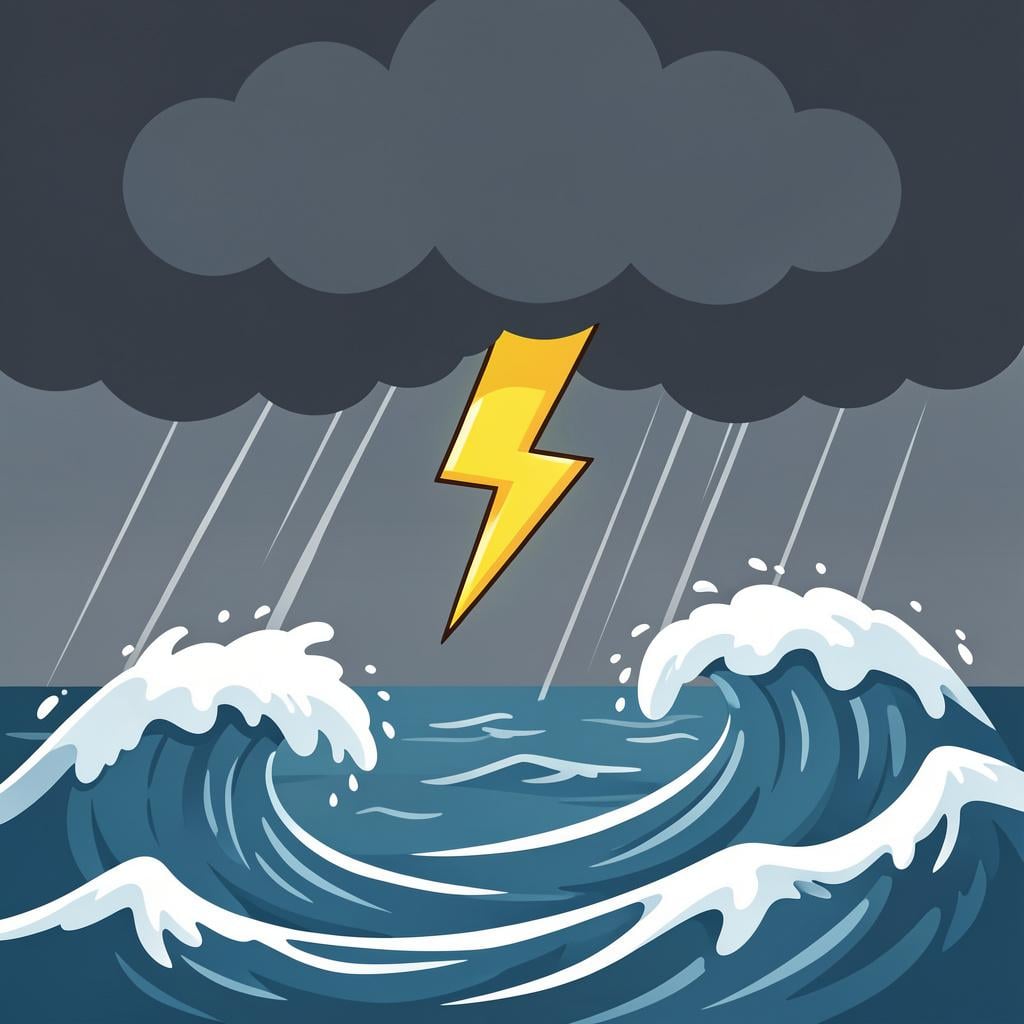
📝 In Action
La tormenta de anoche fue muy violenta.
A2Last night's storm was very violent.
Se produjo un silencio violento cuando él entró en la habitación.
B1An awkward silence occurred when he entered the room.
Ella no es una persona violenta.
A1She is not a violent person.
to force
Also: to violate, to make uneasy
📝 In Action
Esa pregunta me violenta un poco.
B2That question makes me feel a bit uneasy/awkward.
Alguien violenta la cerradura de la oficina.
C1Someone is forcing the office lock.
Subjunctive
Imperfect Subjunctive
Present Subjunctive
Indicative
Preterite
Imperfect
Present
Translate to Spanish
✏️ Quick Practice
Quick Quiz: violenta
Question 1 of 1
If you are in a meeting and someone makes a very inappropriate joke, the resulting silence is often described as:
📚 More Resources
👥 Word Family▼
📚 Etymology▼
From the Latin word 'violentus', which means vehement or full of force. It shares the same root as the word for strength ('vis').
First recorded: 13th century
Cognates (Related words)
💡 Master Spanish
Take your Spanish to the next level. Read 200+ illustrated and narrated Spanish stories tailored to your level with the Inklingo app!
Frequently Asked Questions
Can I use 'violenta' to describe a man?
No. In Spanish, adjectives must match the gender of the person. For a man, you must use 'violento'. Use 'violenta' for women or feminine objects (like 'una tormenta').
Is 'violenta' always a bad thing?
Usually, yes, as it implies force or discomfort. However, in art or fashion, a 'color violento' might just mean it is extremely bold and striking.