tranquila
“tranquila” means “calm” in Spanish. It has 2 different meanings depending on context:

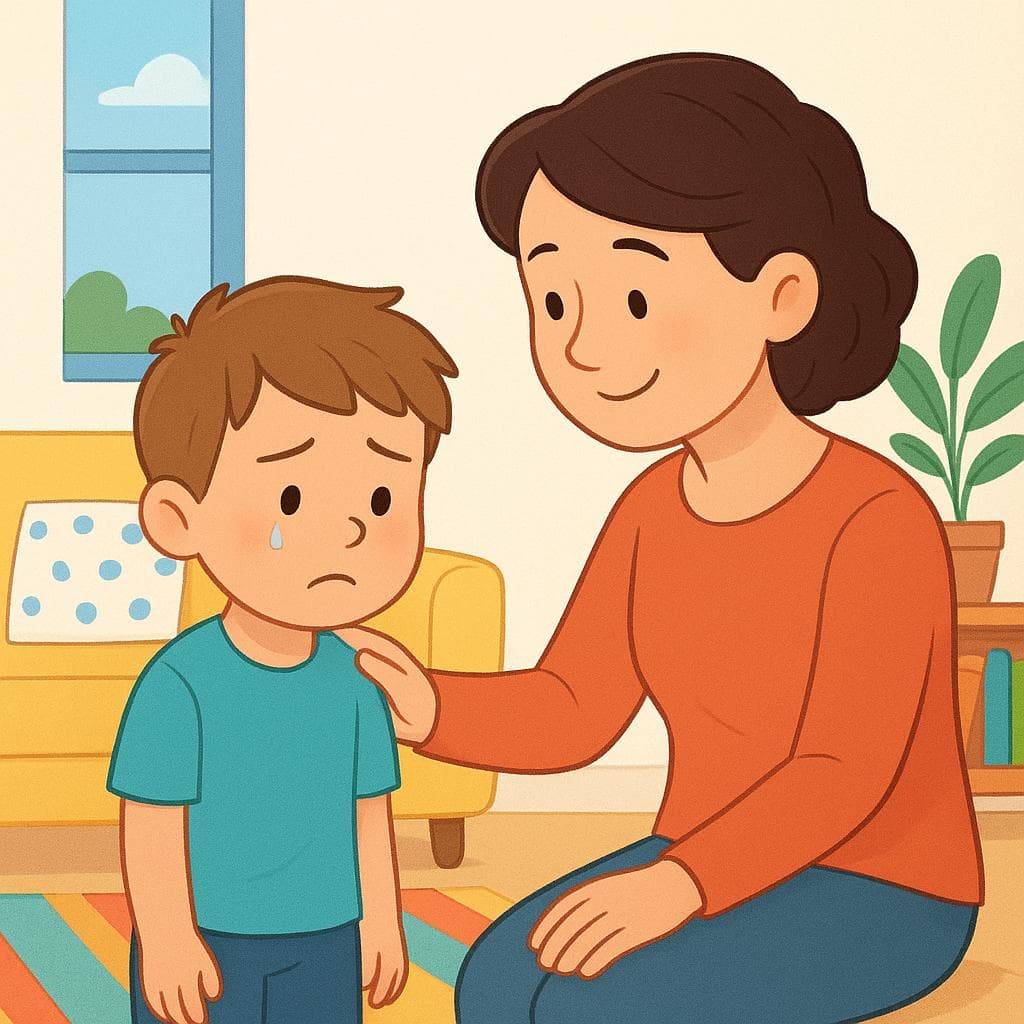
calm, peaceful
Also: relaxed, quiet
📝 In Action
Mi abuela es una mujer muy tranquila y nunca se enoja.
A1My grandmother is a very calm woman and never gets angry.
¿Está la playa tranquila hoy? Quiero nadar sin olas.
A2Is the beach calm today? I want to swim without waves.
Ella prefiere una vida tranquila en el campo.
B1She prefers a quiet life in the countryside.
Calm down
Also: Take it easy, Don't worry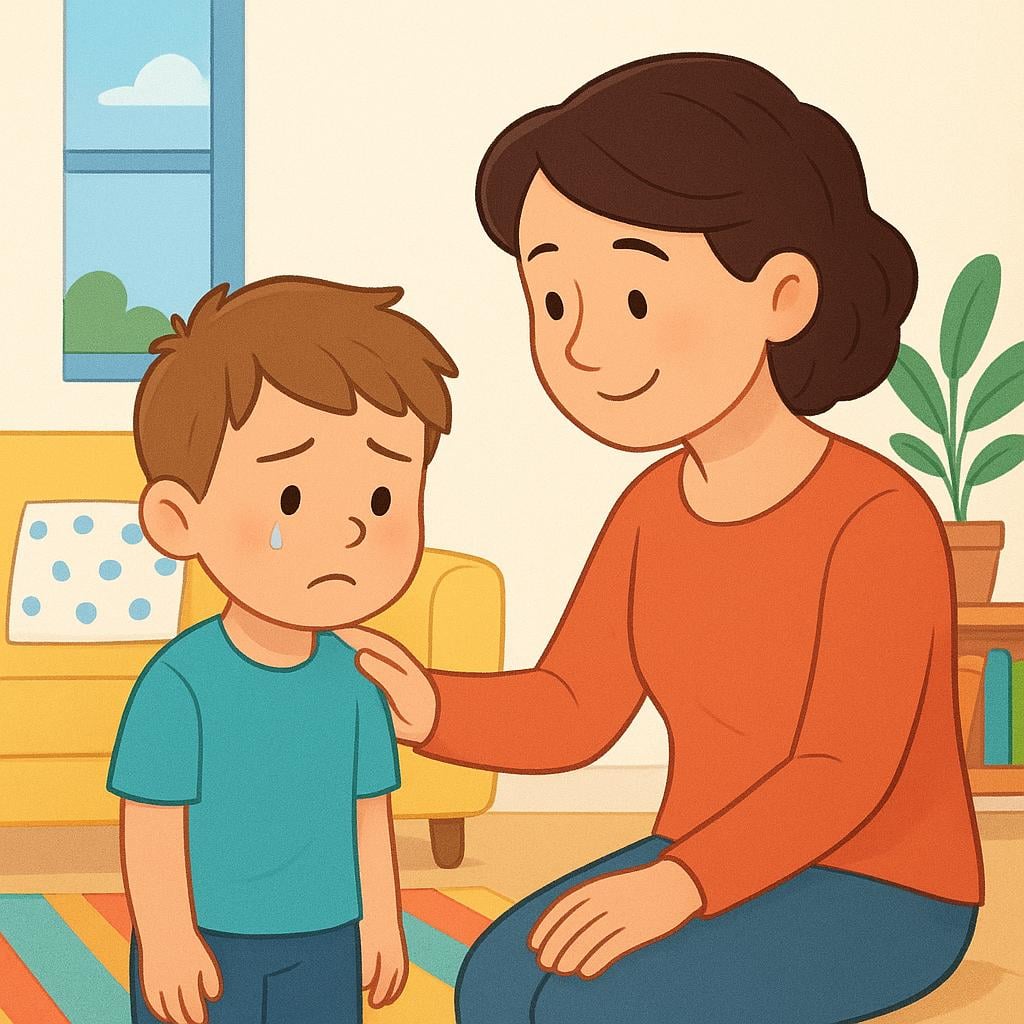
📝 In Action
¡Tranquila! No hay prisa, podemos empezar más tarde.
A2Calm down! There's no rush, we can start later.
Me preocupan los exámenes. — ¡Tranquila, te irá bien!
A2I'm worried about the exams. — Don't worry, you'll do fine!
Translate to Spanish
Words that translate to "tranquila" in Spanish:
don't worry→✏️ Quick Practice
Quick Quiz: tranquila
Question 1 of 1
Which sentence uses 'tranquila' as an emotional command?
📚 More Resources
👥 Word Family▼
🎵 Rhymes▼
📚 Etymology▼
Comes from the Latin word *tranquillus*, which means quiet, peaceful, or undisturbed. It entered Spanish centuries ago and has kept its core meaning.
First recorded: 13th century (root)
Cognates (Related words)
💡 Master Spanish
Take your Spanish to the next level. Read 200+ illustrated and narrated Spanish stories tailored to your level with the Inklingo app!
Frequently Asked Questions
Why do I hear 'tranquilo' and 'tranquila'? Which one is correct?
Both are correct! They both mean 'calm.' You must choose 'tranquila' when describing a feminine noun (like 'la chica' or 'la vida') or when speaking directly to a female person, and 'tranquilo' for masculine nouns or males.