How to Say "boring" in Spanish
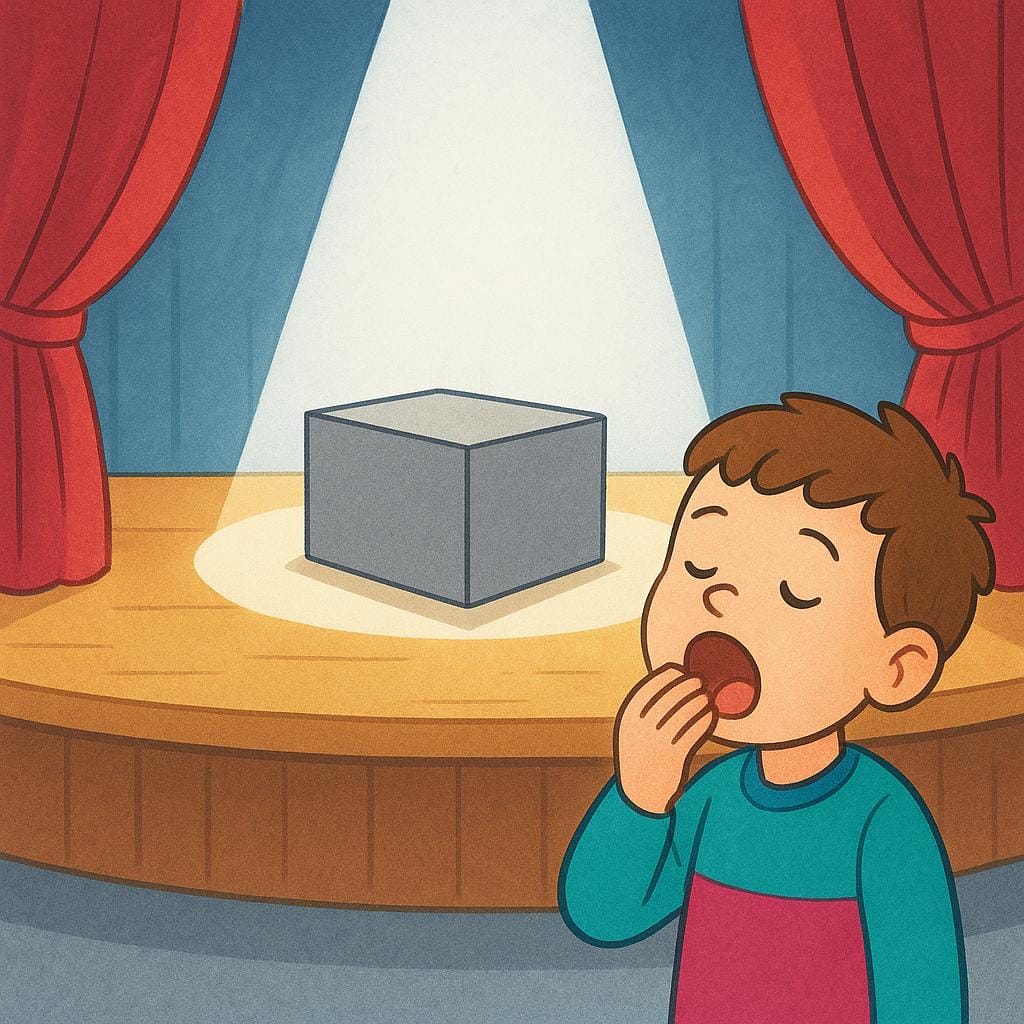
The most common Spanish word for “boring” is “aburrido” — use this when describing something or someone that lacks interest or excitement, making you feel bored.
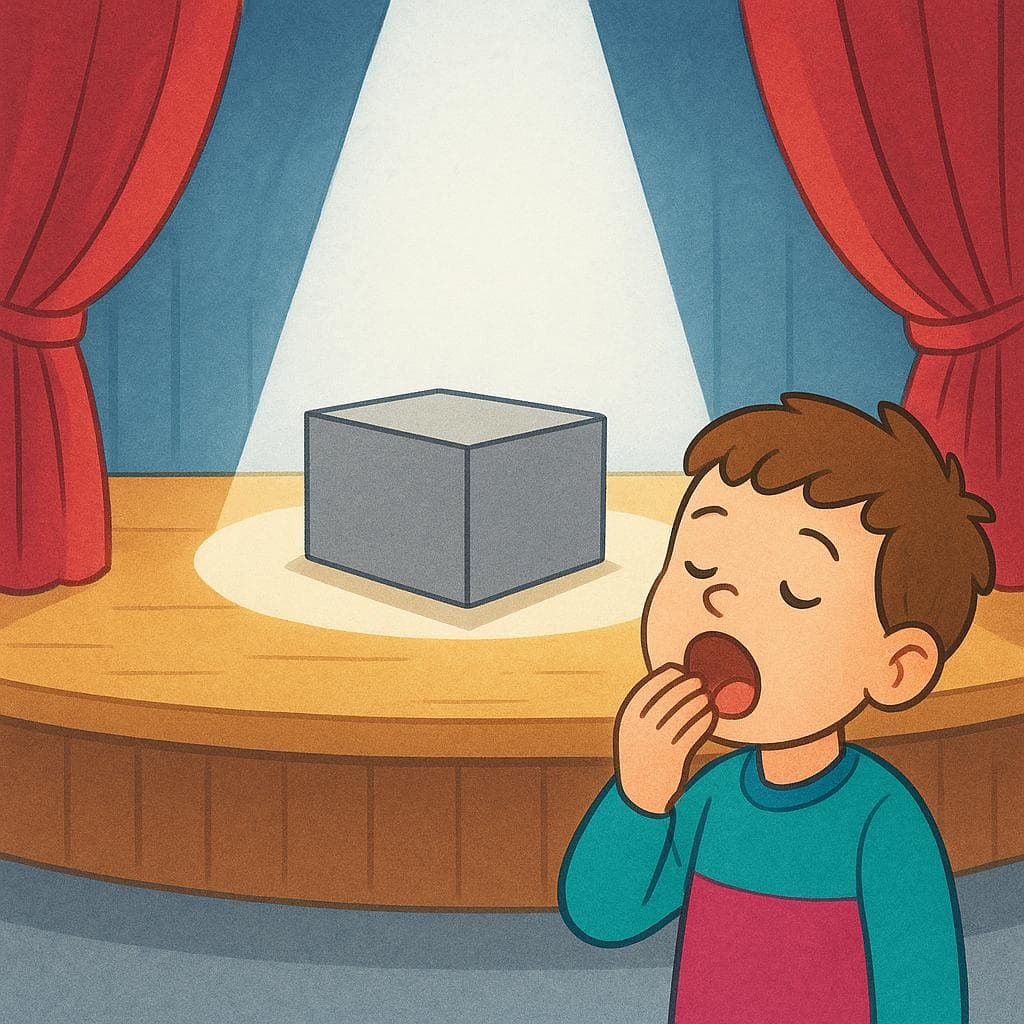
aburrido
ah-boo-REE-doha.βuˈri.ðo
Examples
Esa película es muy aburrida.
That movie is very boring.
Esa clase de historia es muy aburrida.
That history class is very boring.
No me gusta su trabajo; es un trabajo aburrido y repetitivo.
I don't like his job; it's a dull and repetitive job.
Aburrido with SER (Characteristic)
When 'aburrido' describes a thing or person's permanent quality—that they are boring by nature—you must use the verb SER: 'La fiesta es aburrida' (The party is boring).
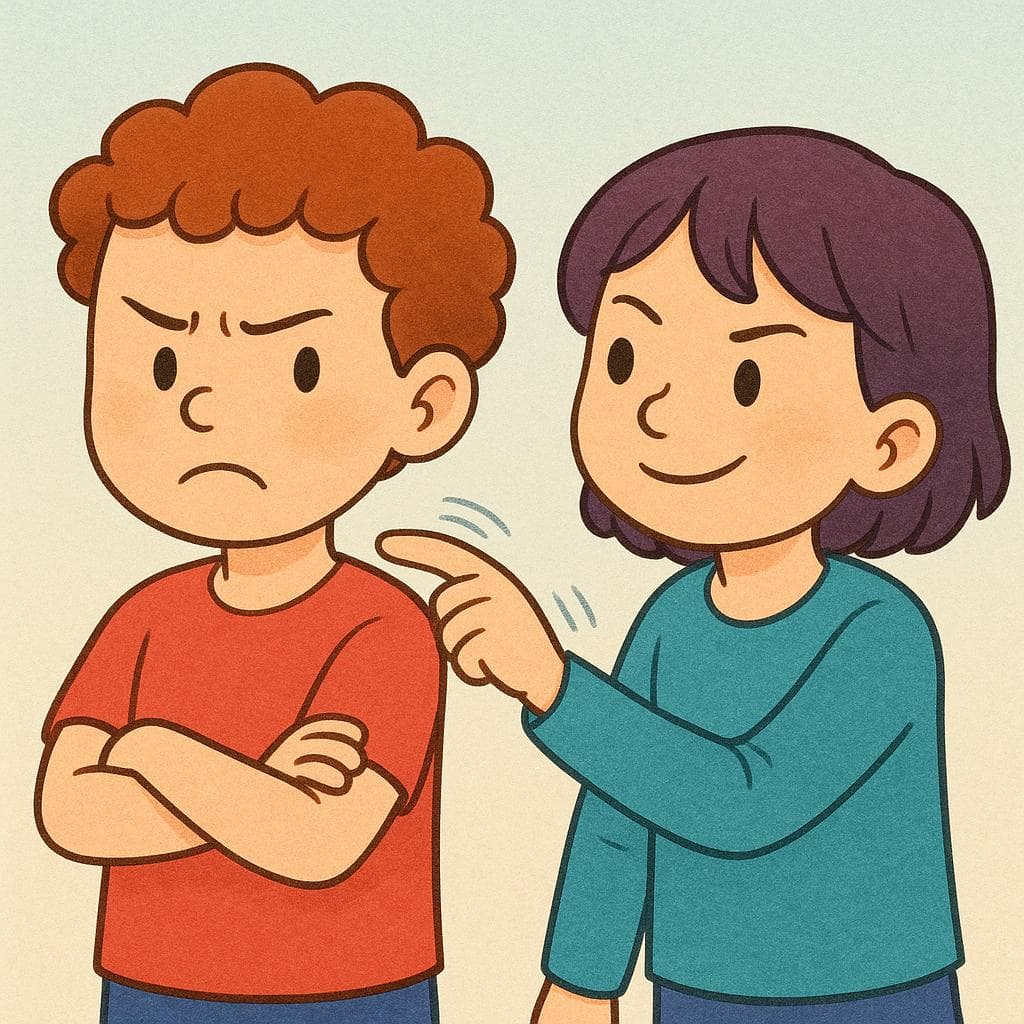
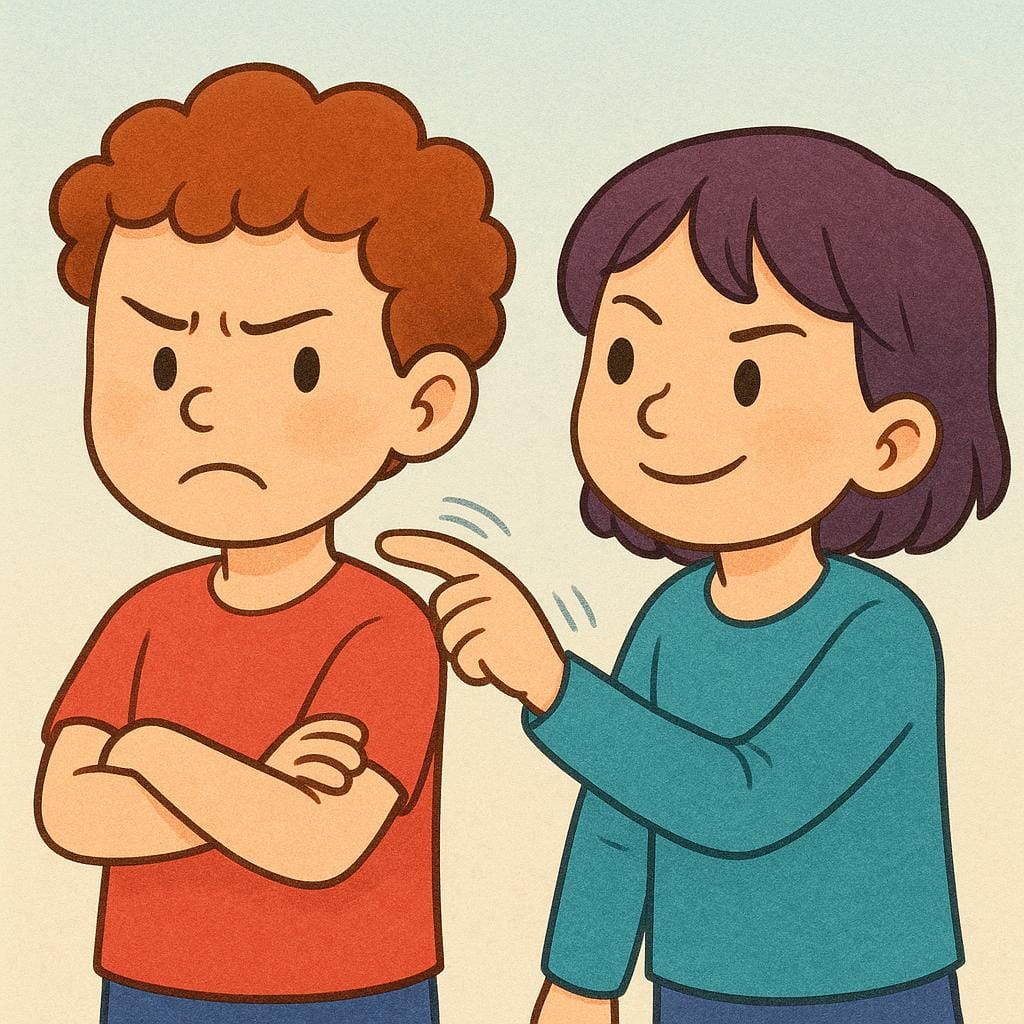
pesada
peh-SAH-dahpeˈsaða
Examples
Tu hermano es un pesado, no para de hablar de lo mismo.
Your brother is annoying, he won't stop talking about the same thing.
Mi tía es muy pesada; siempre hace las mismas preguntas.
My aunt is so annoying; she always asks the same questions.
La reunión fue increíblemente pesada y duró tres horas.
The meeting was incredibly tedious/tiresome and lasted three hours.
perforación
Examples
La perforación del túnel fue un desafío.
The drilling of the tunnel was a challenge.
Aburrido vs. Pesado
Related Translations
Learn Spanish with Inklingo
Interactive stories, personalized learning, and more.