pesada
“pesada” means “heavy” in Spanish. It has 4 different meanings depending on context:
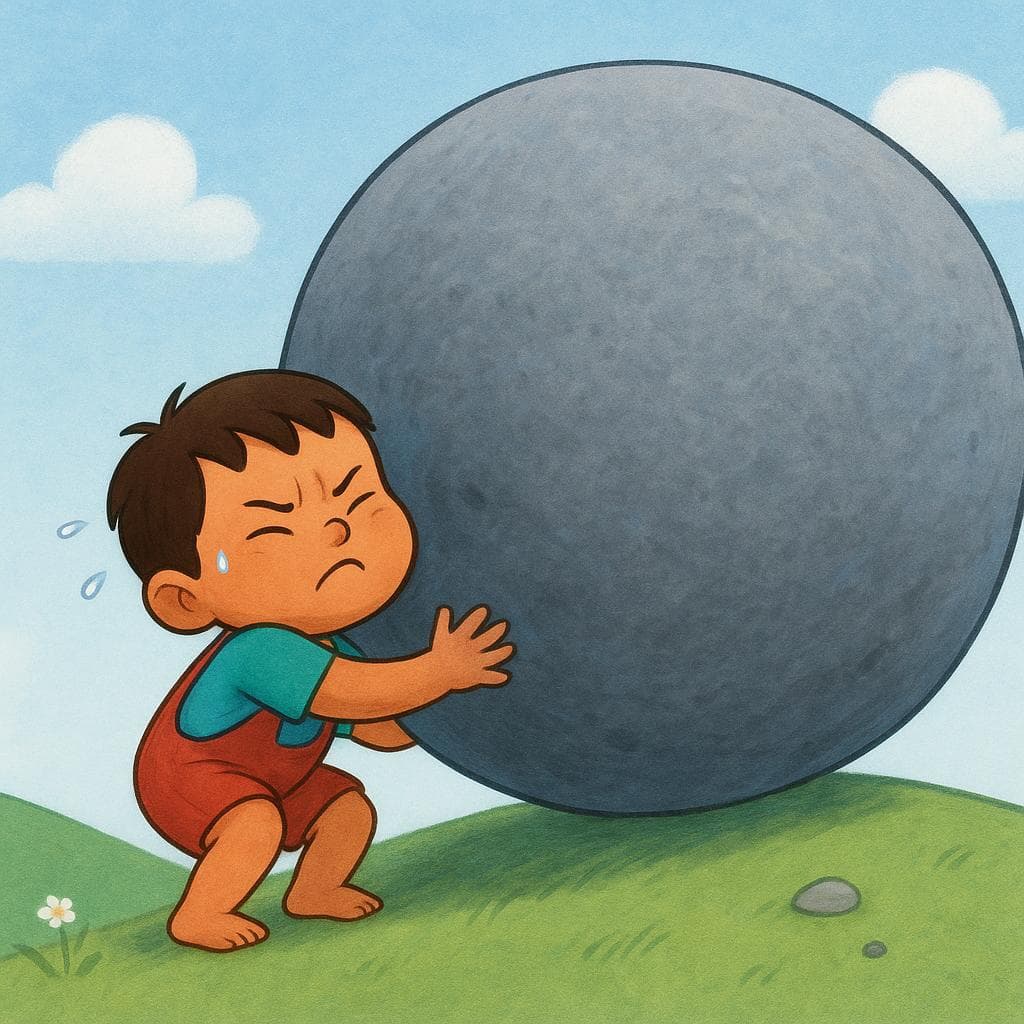
heavyAlso: weighty

📝 In Action
Esta caja de libros es demasiado pesada para mí.
A1This box of books is too heavy for me.
La puerta de metal era tan pesada que casi no podía abrirla.
A2The metal door was so heavy I could barely open it.
Word Connections
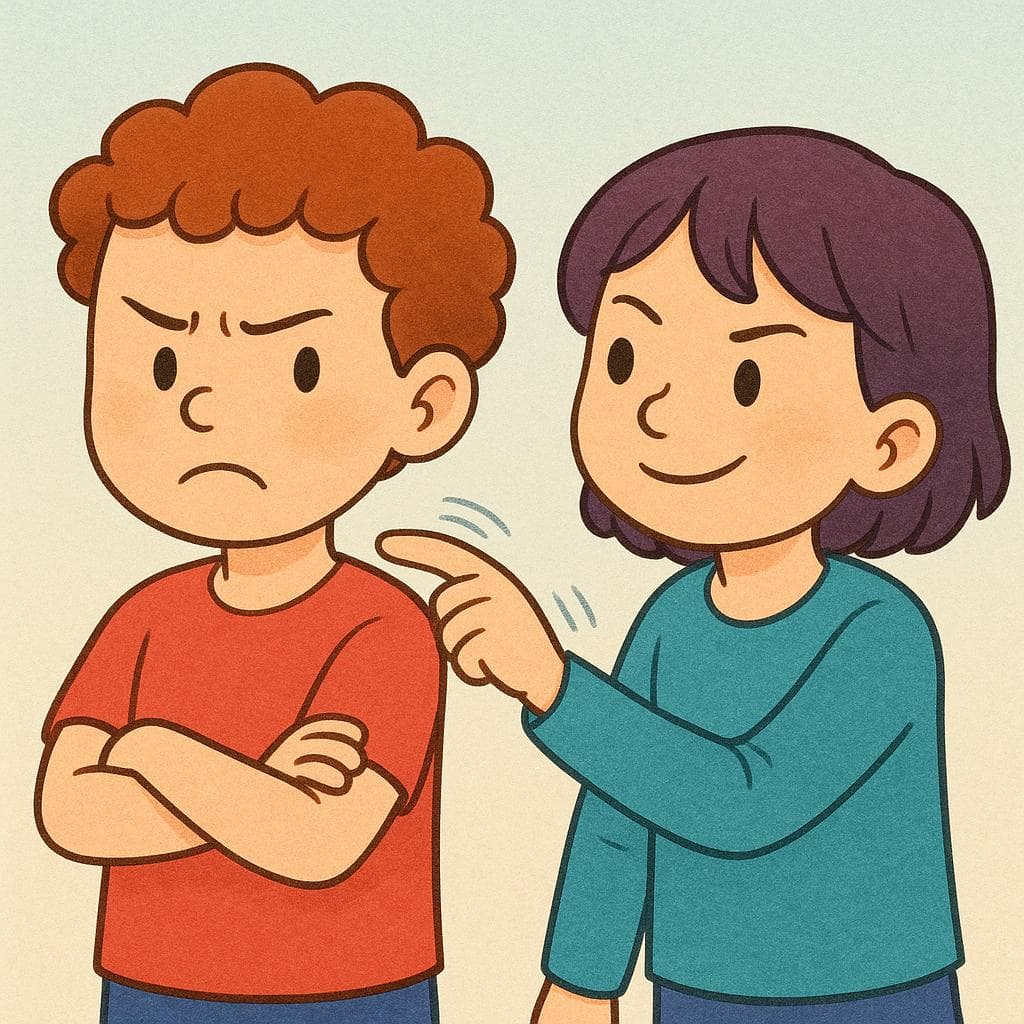
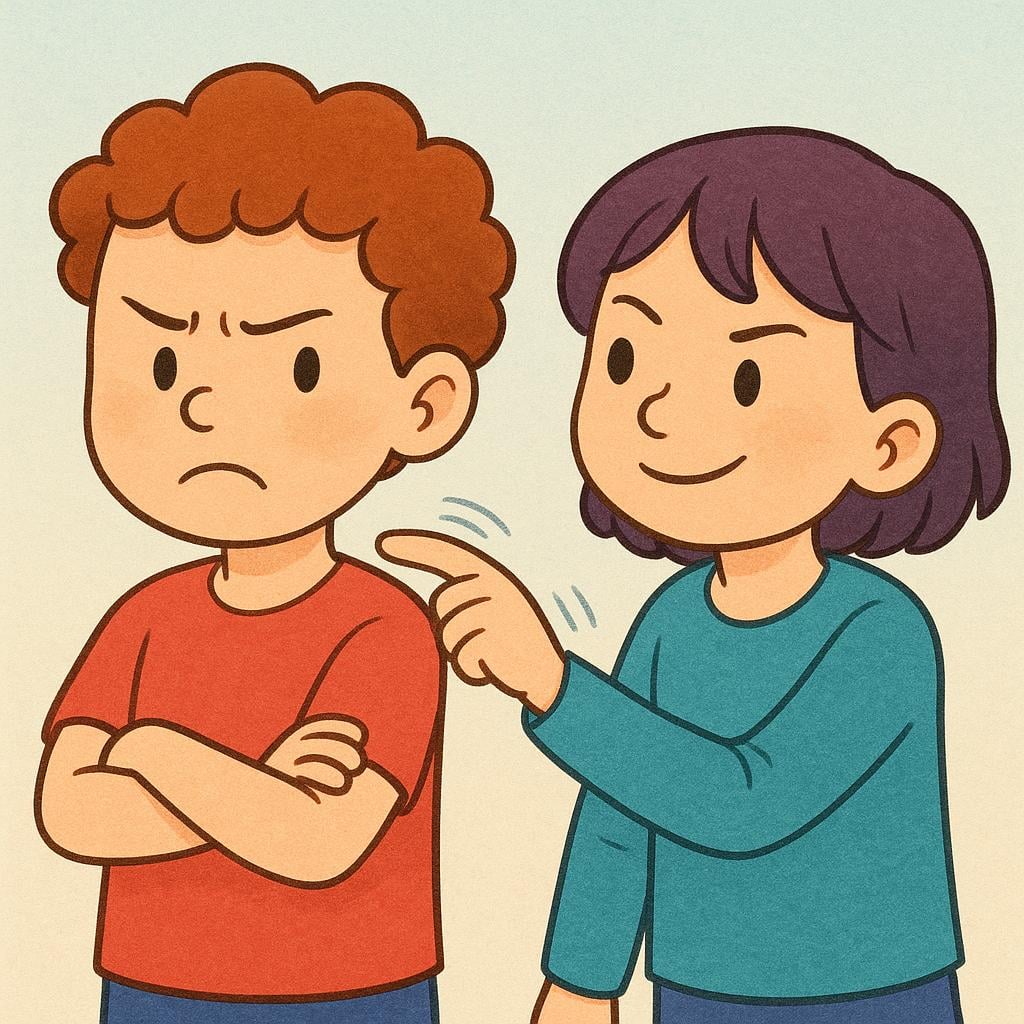
annoying, tiresomeAlso: boring
📝 In Action
Mi tía es muy pesada; siempre hace las mismas preguntas.
B1My aunt is so annoying; she always asks the same questions.
La reunión fue increíblemente pesada y duró tres horas.
B2The meeting was incredibly tedious/tiresome and lasted three hours.
Word Connections
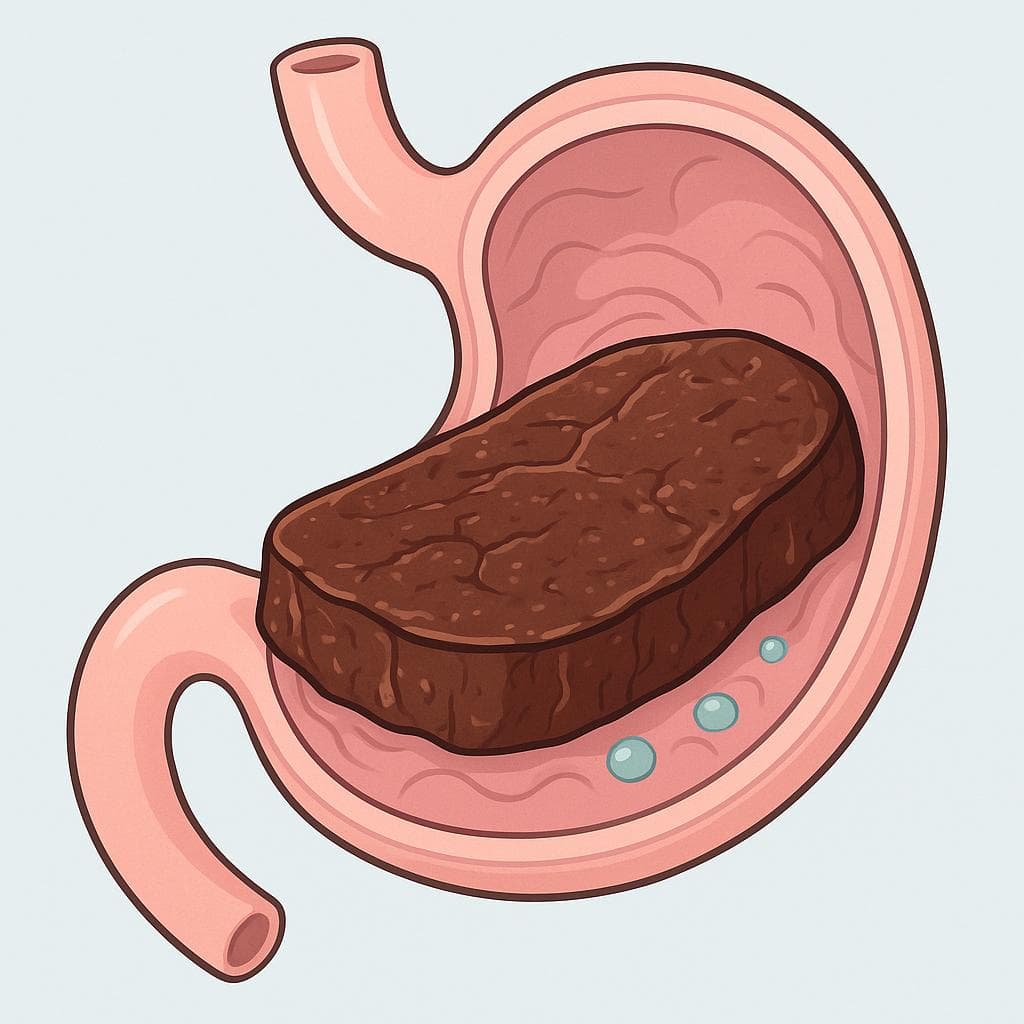
difficult (to digest), burdensome

📝 In Action
La comida era tan grasosa que me resultó muy pesada.
B2The food was so greasy that it was very heavy (on my stomach).
Siento una tristeza pesada desde que se fue.
C1I feel a heavy sadness since she left.
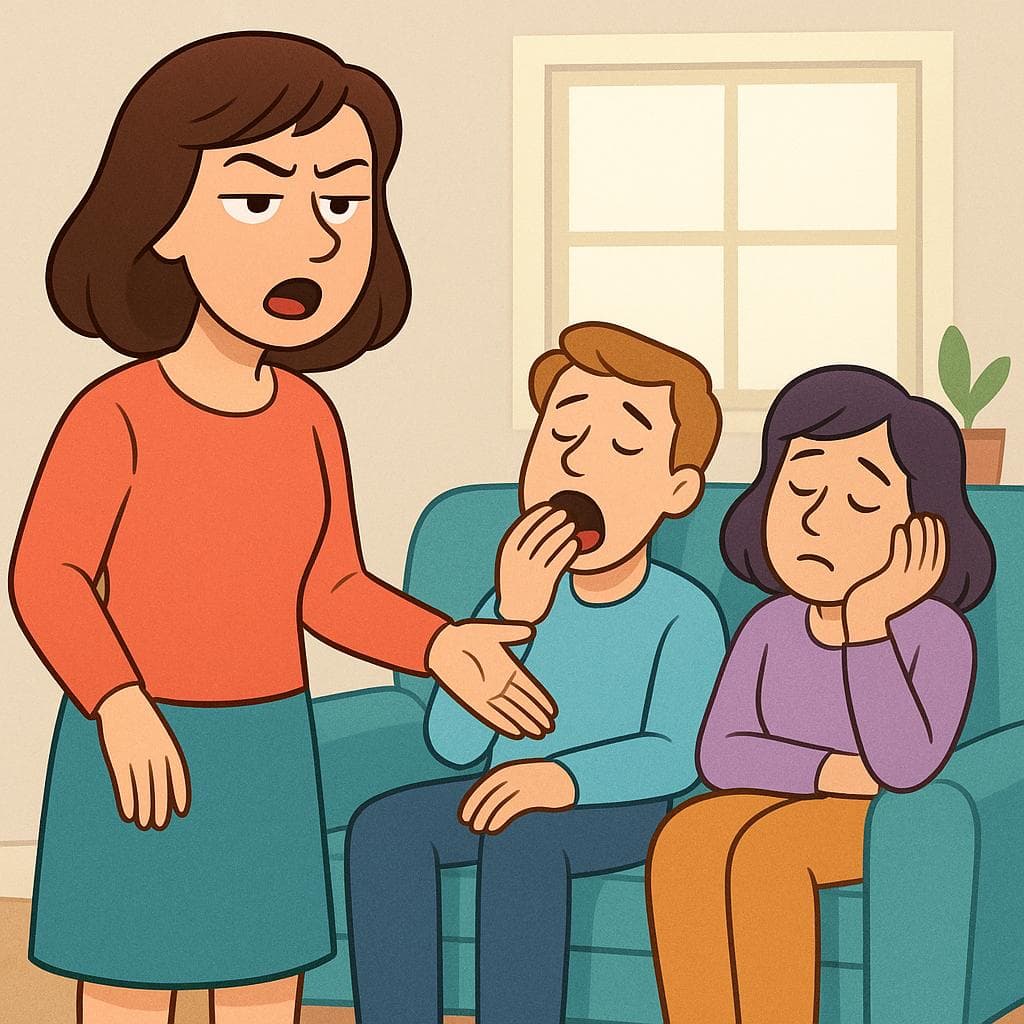
annoying person

📝 In Action
Esa vecina es una pesada, siempre se queja del ruido.
C1That neighbor is such a pain/drag, she always complains about the noise.
Llamó otra vez. ¡Qué pesada!
C1She called again. What an annoyance!
Translate to Spanish
Words that translate to "pesada" in Spanish:
✏️ Quick Practice
Quick Quiz: pesada
Question 1 of 2
Which meaning of 'pesada' is used when describing food that gives you a stomach ache?
📚 More Resources
📚 Etymology
Comes from the Latin word *pensāta*, which was the past participle of the verb *pensāre*, meaning 'to weigh' or 'to consider.' The core idea is related to physical weight and the effort required to lift or handle something.
First recorded: Medieval Spanish
Cognates (Related words)
💡 Master Spanish
Take your Spanish to the next level. Read 200+ illustrated and narrated Spanish stories tailored to your level with the Inklingo app!
Frequently Asked Questions
How do I know if 'pesada' means 'heavy' or 'annoying'?
The context is key! If 'pesada' is describing an object (like a suitcase or table), it means 'heavy.' If it's describing a person, their conversation, or an event (like a meeting), it almost always means 'annoying' or 'tiresome.'