sordo
“sordo” means “deaf” in Spanish. It has 3 different meanings depending on context:
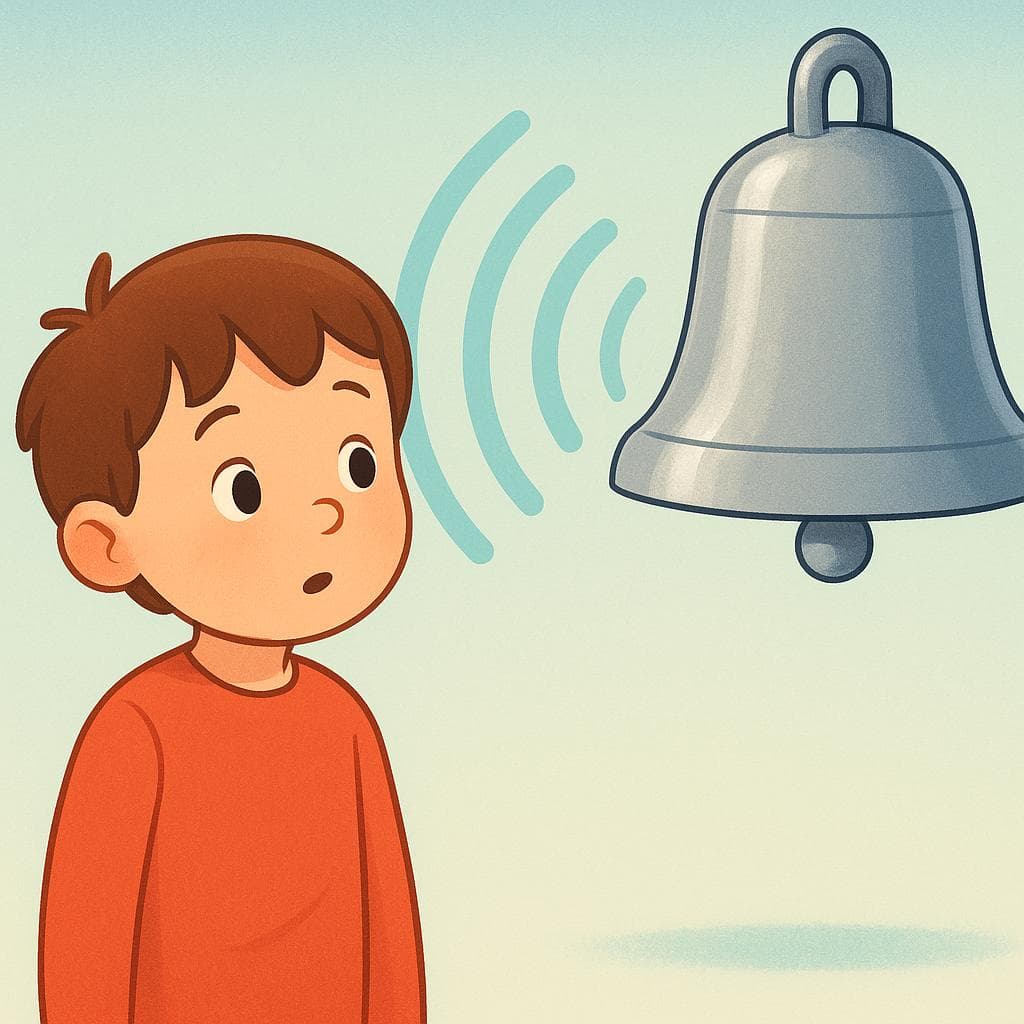


deaf
Also: hearing-impaired, a deaf person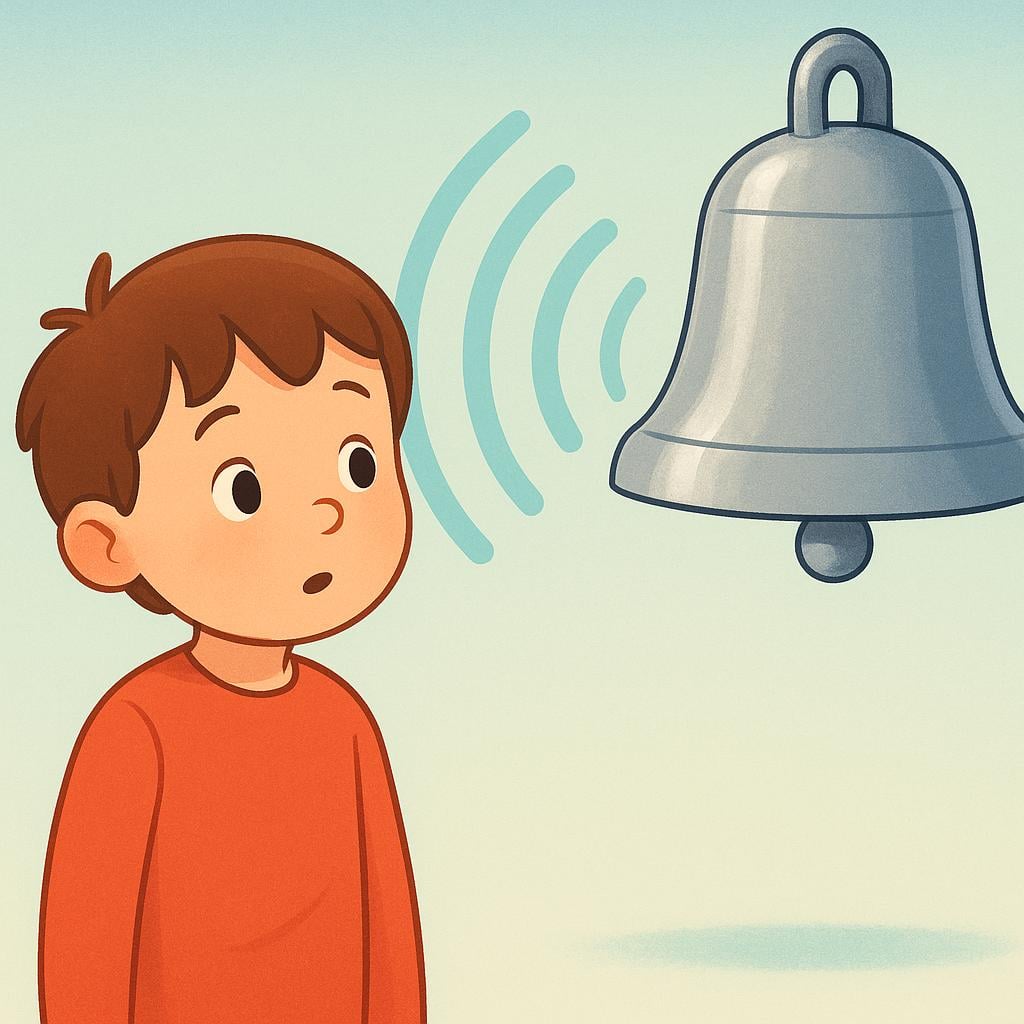
📝 In Action
Mi abuelo es sordo de nacimiento y utiliza lengua de señas.
A2My grandfather is deaf from birth and uses sign language.
La mujer sorda nos explicó cómo funcionaba el sistema.
A2The deaf woman explained to us how the system worked.
muffled
Also: dull, muted
📝 In Action
Se oyó un golpe sordo cuando la caja cayó al suelo.
B1A dull thud was heard when the box fell to the floor.
La música sonaba sorda a través de la pared gruesa.
B2The music sounded muffled through the thick wall.
oblivious
Also: unresponsive
📝 In Action
El director se mantuvo sordo a nuestras peticiones de un aumento.
C1The director remained unresponsive (or played deaf) to our requests for a raise.
Aunque le grité, se hizo el sordo y siguió caminando.
B2Even though I shouted at him, he pretended to be deaf and kept walking.
Translate to Spanish
Words that translate to "sordo" in Spanish:
deaf→dull→hearing-impaired→muffled→muted→oblivious→unresponsive→✏️ Quick Practice
Quick Quiz: sordo
Question 1 of 1
Which sentence uses 'sordo' in its figurative sense?
📚 More Resources
👥 Word Family▼
🎵 Rhymes▼
📚 Etymology▼
Comes from the Latin word *surdus*, which originally meant 'deaf' but also sometimes 'silent' or 'dull.' This explains why 'sordo' applies both to people and to muffled sounds.
First recorded: Around the 10th century
Cognates (Related words)
💡 Master Spanish
Take your Spanish to the next level. Read 200+ illustrated and narrated Spanish stories tailored to your level with the Inklingo app!
Frequently Asked Questions
Does 'sordo' only apply to people?
No. While its main use is describing a person who cannot hear, it is very common to use 'sordo' to describe sounds or noises that are dull, muted, or muffled, especially if they are deep or lack clarity.