pimienta
“pimienta” means “pepper” in Spanish (the ground spice or peppercorns).
pepper
Also: black pepper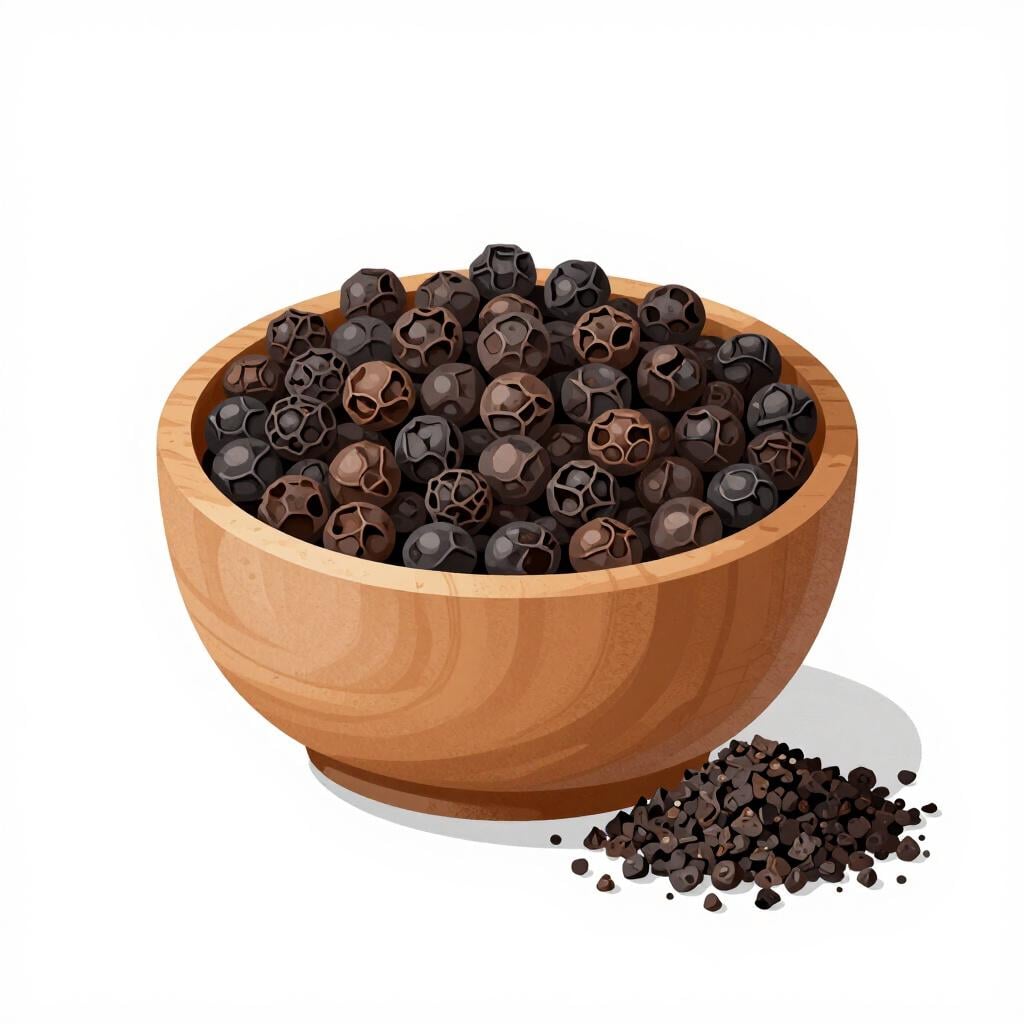
📝 In Action
Pásame la sal y la pimienta, por favor.
A1Pass me the salt and pepper, please.
Esta sopa tiene mucha pimienta y pica un poco.
A1This soup has a lot of pepper and is a bit spicy.
Me gusta la pimienta recién molida.
A2I like freshly ground pepper.
Translate to Spanish
Words that translate to "pimienta" in Spanish:
black pepper→✏️ Quick Practice
Quick Quiz: pimienta
Question 1 of 1
Which of these would you find in a small shaker on a restaurant table?
📚 More Resources
👥 Word Family▼
📚 Etymology▼
Comes from the Latin word 'pigmentum,' which originally meant 'pigment' or 'paint.' Over time, it started being used for spices because they were often used to color and dye foods.
First recorded: 13th century
Cognates (Related words)
💡 Master Spanish
Take your Spanish to the next level. Read 200+ illustrated and narrated Spanish stories tailored to your level with the Inklingo app!
Frequently Asked Questions
Is 'pimienta' used for spicy chili peppers?
No. For chili peppers, Spanish speakers usually use 'chile,' 'ají,' or 'guindilla' depending on the country. 'Pimienta' is specifically for peppercorns (black, white, etc.).
What is 'pimienta gorda'?
This refers to 'allspice,' which has larger berries that look like oversized peppercorns.