tormenta
“tormenta” means “storm” in Spanish. It has 2 different meanings depending on context:
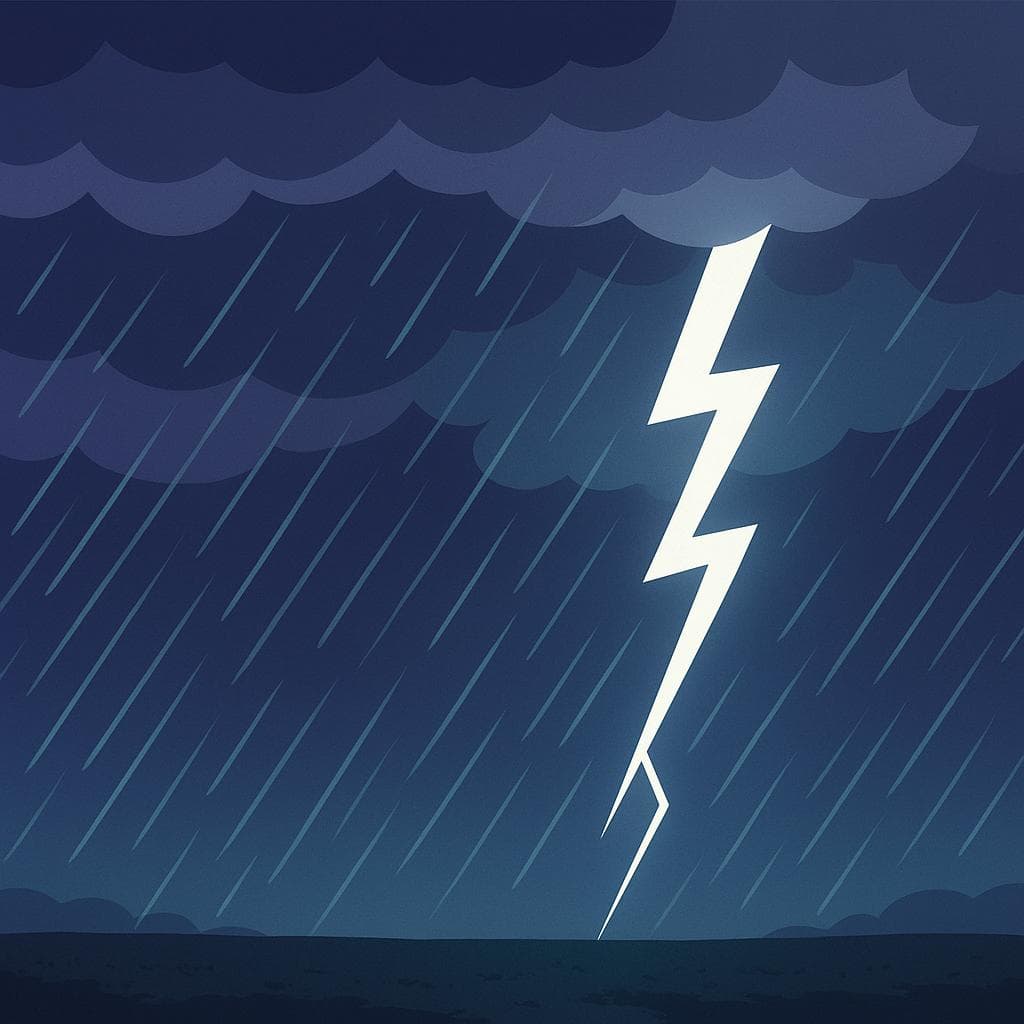

storm
Also: tempest, gale
📝 In Action
Tuvimos que cancelar el partido por la tormenta eléctrica.
A1We had to cancel the game because of the thunderstorm.
La tormenta de nieve cubrió la ciudad en solo una hora.
A2The snowstorm covered the city in just one hour.
Después de la tormenta, salió el sol y vimos un arco iris.
A1After the storm, the sun came out and we saw a rainbow.
outburst
Also: turmoil, crisis
📝 In Action
Su renuncia provocó una tormenta política en el país.
B2His resignation caused a political storm (crisis) in the country.
Ella tuvo una tormenta de lágrimas después de la noticia.
C1She had an outburst of tears after the news.
La empresa atraviesa una tormenta financiera.
B2The company is going through a financial crisis/turmoil.
Translate to Spanish
✏️ Quick Practice
Quick Quiz: tormenta
Question 1 of 2
Which sentence uses 'tormenta' in its figurative (non-weather) sense?
📚 More Resources
👥 Word Family▼
🎵 Rhymes▼
📚 Etymology▼
This word comes from the Latin *tormentum*, which originally referred to a twisted rope or a machine for hurling objects. Over time, its meaning shifted to refer to great distress, trouble, and eventually, the violent upheaval of the weather.
First recorded: 13th century
Cognates (Related words)
💡 Master Spanish
Take your Spanish to the next level. Read 200+ illustrated and narrated Spanish stories tailored to your level with the Inklingo app!
Frequently Asked Questions
Is 'tormenta' the same as 'lluvia'?
No. 'Lluvia' means simple rain. 'Tormenta' is much stronger and includes heavy rain, strong winds, thunder, or snow. A storm is severe weather, while rain is just wet weather.
How do I say 'thunderstorm' using 'tormenta'?
You would say 'tormenta eléctrica' (literally 'electrical storm').