paz
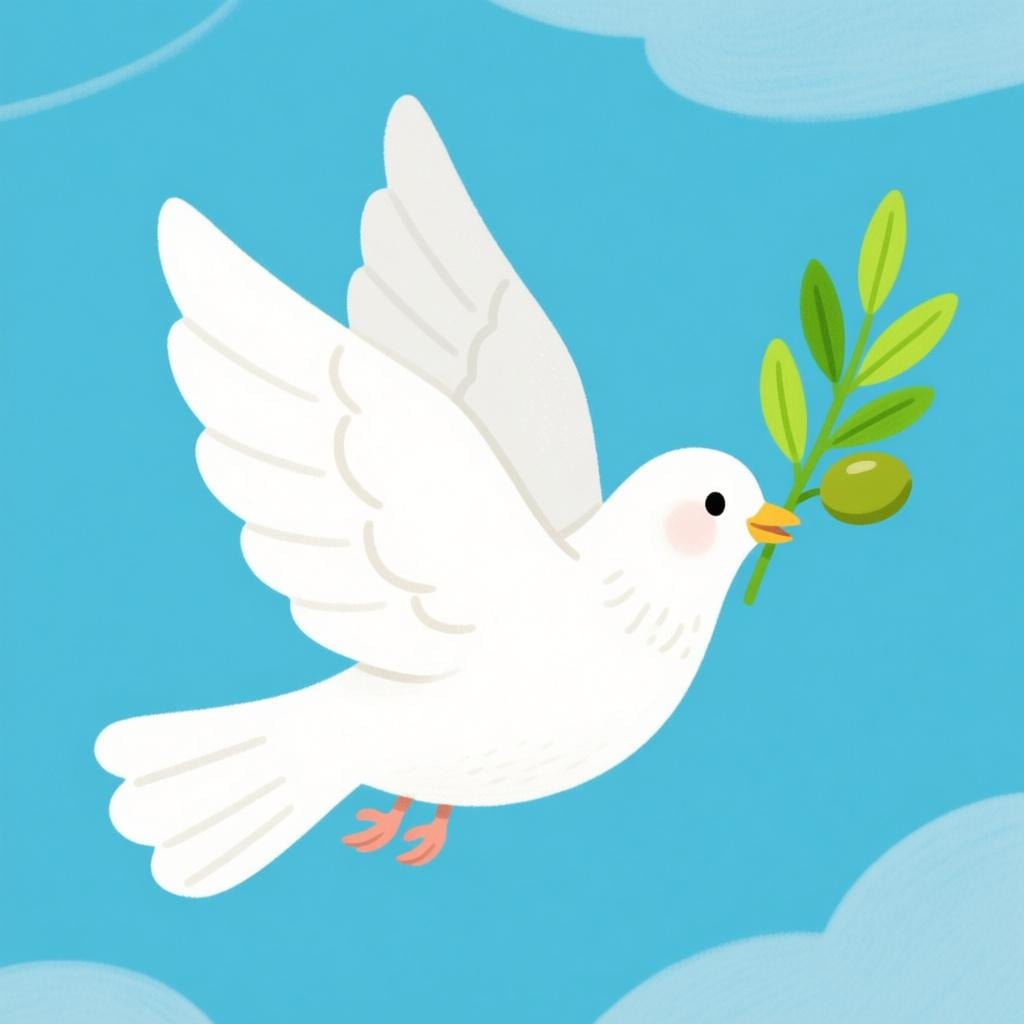
“paz” means “peace” in Spanish (Absence of war or conflict).
peaceAlso: tranquility, peacefulness
📝 In Action
Todos queremos vivir en un mundo con paz.
A2We all want to live in a world with peace.
Después de la tormenta, había una gran paz en el campo.
B1After the storm, there was a great peacefulness in the countryside.
¡Déjame en paz! Necesito estudiar.
B1Leave me in peace! I need to study.
Los dos hermanos finalmente hicieron las paces.
B2The two brothers finally made peace.
Word Connections
Translate to Spanish
Words that translate to "paz" in Spanish:
✏️ Quick Practice
Quick Quiz: paz
Question 1 of 1
Your friend is bothering you while you're trying to work. How would you tell them to stop?
📚 More Resources
👥 Word Family
📚 Etymology
Comes directly from the Latin word 'pax', which meant the same thing: peace, tranquility, and the absence of hostility.
First recorded: Around the 10th century
Cognates (Related words)
💡 Master Spanish
Take your Spanish to the next level. Read 200+ illustrated and narrated Spanish stories tailored to your level with the Inklingo app!
Frequently Asked Questions
Why is it 'hacer las paces' (plural) and not 'hacer la paz' (singular)?
It's a set phrase that has evolved to always be in the plural form. Think of it like in English where we say 'make amends' (plural) instead of 'make amend'. 'Hacer las paces' refers to the series of actions or agreements that bring about peace between people.
What's the difference between 'paz' and 'tranquilidad'?
'Paz' is a broader term. It can mean the absence of war on a global scale, or a deep inner calm. 'Tranquilidad' is more about a state of quietness, calm, and lack of disturbance. A library has 'tranquilidad,' while a country after a war has 'paz'.