hongos
“hongos” means “mushrooms” in Spanish. It has 2 different meanings depending on context:
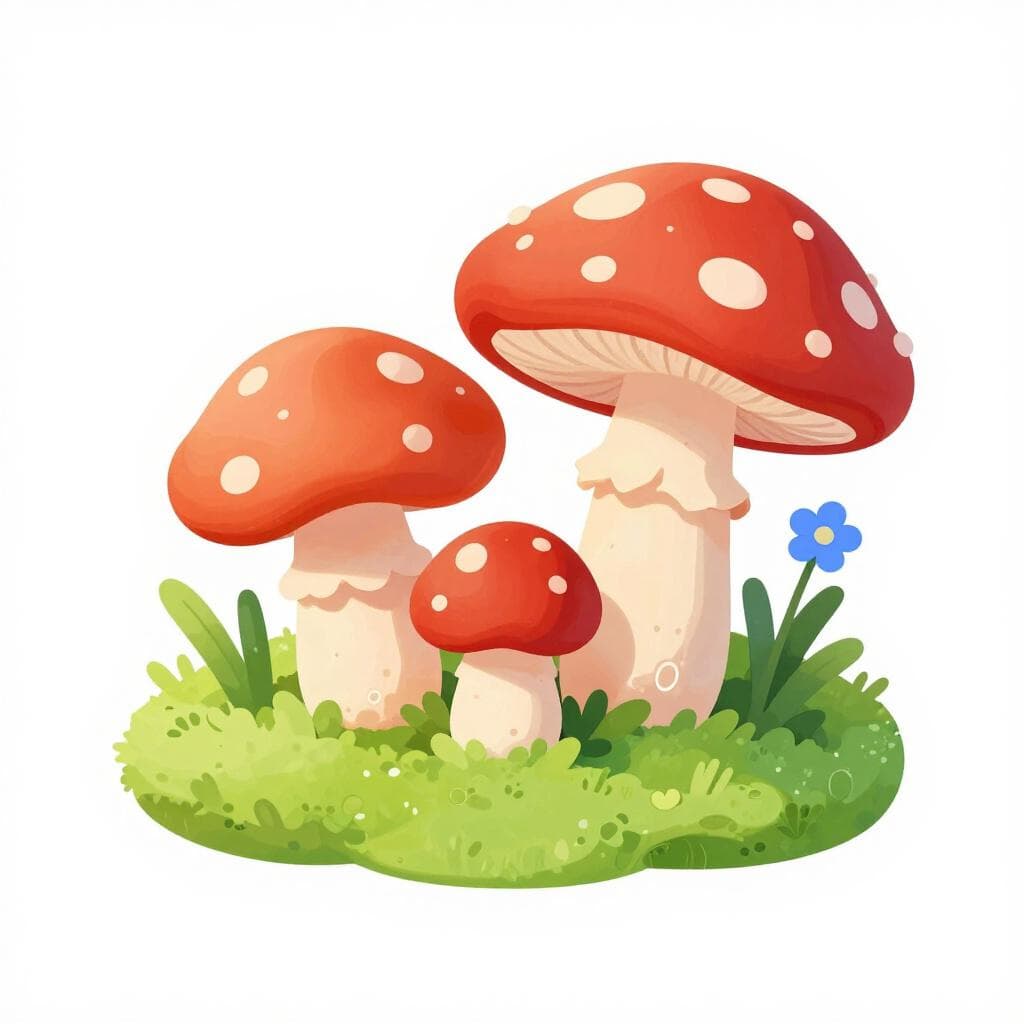

mushrooms
Also: fungi
📝 In Action
Me gusta la pizza con muchos hongos.
A1I like pizza with a lot of mushrooms.
Hay muchos hongos de colores en el bosque.
A2There are many colorful mushrooms in the forest.
fungus
Also: mold
📝 In Action
Tengo hongos en los pies por ir al gimnasio.
B1I have a fungal infection on my feet from going to the gym.
Limpia la pared, tiene muchos hongos por la humedad.
B2Clean the wall; it has a lot of mold because of the humidity.
Vocabulary Collections
Translate to Spanish
✏️ Quick Practice
Quick Quiz: hongos
Question 1 of 2
If you are at a restaurant in Mexico and want mushrooms on your steak, what do you ask for?
📚 More Resources
👥 Word Family▼
🎵 Rhymes▼
📚 Etymology▼
From the Latin word 'fungus', which scientists still use today to describe the whole kingdom of mushrooms and molds.
First recorded: 13th century
Cognates (Related words)
💡 Master Spanish
Take your Spanish to the next level. Read 200+ illustrated and narrated Spanish stories tailored to your level with the Inklingo app!
Frequently Asked Questions
Is 'hongos' always masculine?
Yes, even if you are talking about many different types, it is always 'los hongos'.
What is the difference between 'hongos' and 'champiñones'?
'Hongos' is the general word for all fungi. 'Champiñones' usually refers specifically to the common white button mushrooms you find in grocery stores.