cáscara
“cáscara” means “peel” in Spanish (outer covering of fruits and vegetables).
peel, shell
Also: rind, bark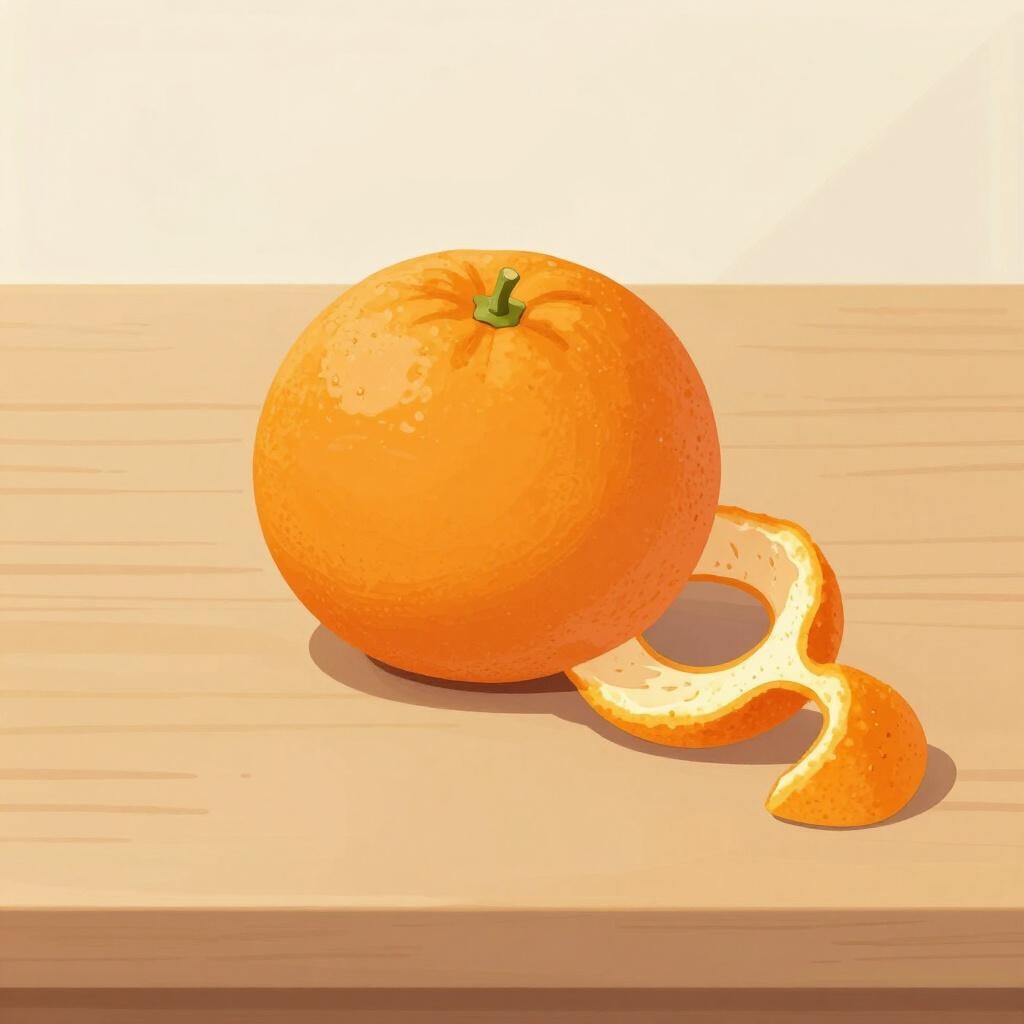
📝 In Action
No te comas la cáscara del plátano.
A1Don't eat the banana peel.
Necesito quitarle la cáscara a los huevos cocidos.
A2I need to remove the shell from the boiled eggs.
La cáscara de la nuez es muy dura y difícil de romper.
B1The walnut shell is very hard and difficult to break.
Vocabulary Collections
✏️ Quick Practice
Quick Quiz: cáscara
Question 1 of 3
How would you say 'lemon peel' in Spanish?
📚 More Resources
👥 Word Family▼
🎵 Rhymes▼
📚 Etymology▼
Derived from the Spanish verb 'cascar' (to crack or break), which comes from the Vulgar Latin word 'quassicare' meaning 'to shake' or 'to shatter.'
First recorded: 13th century
Cognates (Related words)
💡 Master Spanish
Take your Spanish to the next level. Read 200+ illustrated and narrated Spanish stories tailored to your level with the Inklingo app!
Frequently Asked Questions
Is 'cáscara' used for seafood like shrimp or crabs?
Yes! You use 'cáscara' for the shells of shrimp (gambas) or prawns. However, for large mollusks like clams or oysters, the word 'concha' is more common.
Can I use 'cáscara' for a potato?
Absolutely. Whether it's a potato, an apple, or a banana, 'cáscara' is the standard word for that outer skin you remove before or after cooking.
Does 'cáscara' ever mean tree bark?
Sometimes, but 'corteza' is the more accurate and common word for tree bark. In casual conversation in some regions, you might hear 'cáscara,' but stick with 'corteza' to be safe.